Cost to Climb Mount Everest | A Detail Report

Climbing Mount Everest is the most challenging and tough mountaineering in the world as a whole, only experienced trekkers can reach the summit. Every year, during the spring, many foreigners come to Nepal to fulfill their goals. 

The cost of climbing Mount Everest is from $35,000 to $ 60,000 and sometimes even upto $1,00,000 per person. The cost includes a guide and porters, food, climbing permit and other essential things that are needed.

The total cost of climbing Mount Everest is listed below.
Mount Everest

Climbing Permits

To climb Mount Everest first you need the permit from the Nepal Tourism Board which is located in Kathmandu. The climbing permits cost includes all permits to Everest Region. All climbers are required to obtain the permit which costs $11,000.

Training

Different agencies give training before climbing mountains. Training is a very crucial part of climbing Mount Everest. You should get the best trainer to get to know about techniques and tricks that can be used in the midst of climbing. The training cost can be $4000 to $6000.

Guide (Sherpas)

You should hire at least one Sherpa to guide you through and ensure your safety. The cost of each Sherpa’s guide is  $5,000.

Bottled Oxygen

The main things needed for Everest climbers is the supplement of oxygen on the way to the summit. You should carry at least 5 bottles of oxygen. Per bottles price of oxygen is $550 in which they also need an oxygen mask and regulator, which cost each $500 additionally.

Expenses at Base Camp

The heavy load is carried by porters and even yaks. So the climbing team is responsible for their food and shelter in Base Camp. This cost can go up to 4000 USD. 

Maintaining campsites

There might not be teahouses or lodges at a higher level. To keep the camps stocked and supporter adds some price for it. Climbers have to pay $2,000 for maintaining campsite. Climbers pay $800 per person for six weeks’ worth of food for their meals.

Gear

Climbers need to buy the high altitude gear while climbing the Mount Everest. Equipment includes a pair of boots, gloves, down suit, sleeping bags, electric socks, pee funnel, etc. All the gear price is $7,000.

Mount Everest Expedition

Image Source: Rmiguides.com 

Other climbing fees

Besides the permits and additional cost, climbers are required to pay some other climbing related fees such as medical support fee, hiring the relation officer to join them in base camp, phone bills (to make a call to their family) including the tip for Sherpa $500. Also, includes a refundable deposit for the removal of harsh and human waste. The other climbing fees are from $2,000 to $4,000 per person.

Miscellaneous

The emergency-rescue insurance if an accident happens during the climbing the Mount Everest or trip cancellation coverage, visa, immunization, cooks, porters, yaks, satellite phone and medical kit. Despite these expenses, the cost varies widely in which the whole price of the climb is $10,00 to 13,000.

So as a whole cost can go up to $100,000. Let us know if we have missed any cost in the comment section below. If you have any queries you can email us at [email protected]

How Long Does It Take To Climb Mount Everest?

Trekkers who love to trek must also be interested to know how long the Everest base camp trek is.

Climbing the high mountains such as Everest is not a matter of a day. It requires acclimatizing your body to get used to the thin air, the type of climate at the Everest base camp before you start your journey to Mount Everest. This is why the entire climbing period takes a long time to reach the top.

Read about 45 important things to know before going to EBC

Usually, the expedition to Mount Everest takes around two months. Most of the climbers start their journey from base camp after March and they start arriving at the base camp in late March.

The best time to climb mountain Everest in May.

The main climbing season for Mount Everest from Nepal is spring, particularly April and May. Most summit attempts take place in May, when expedition teams look for a suitable window of relatively stable weather and lower winds. However, conditions can change rapidly, and the timing of summit attempts depends on weather forecasts, route conditions and the expedition team’s assessment.

Everest climbing season 2026

Nepal recorded 1,008 successful summits during the spring 2026 climbing season, setting a new record at the time. The number of successful ascents varies each year depending on weather conditions, expedition participation and climbing opportunities.

Everest Base Camp on the southern side of Mount Everest in Nepal sits at approximately 5,364 metres (17,598 feet) above sea level. It serves as the main staging point for climbers preparing for their ascent of the world’s highest mountain.

You usually have to spend 4 to 5 days to acclimatizing yourself and when ready you climb halfway to Khumbu ice fall before returning to base camp. After resting for few days you will climb up to the camp 1 and stay there for two nights the return to the base camp.

Everest Base Camp Trek: The Ultimate Guide

Climbers usually spend 3–4 days resting and preparing at Everest Base Camp before starting their first acclimatisation rotation. They then climb through the Khumbu Icefall to Camp I, where they spend a night before continuing to Camp II in the Western Cwm, also known as Advanced Base Camp. Camp II serves as an important staging point for the ascent to Camp III on the Lhotse Face. After spending a couple of nights at Camp II, climbers descend to Everest Base Camp to rest and recover before their next climbing rotation.

This process of ascending and descending is known as acclimating period which results in making each ascent quicker than previous one. This requires few weeks to make your body adaptive to the environment.

Then you will take rest for three to four day at the base camp and before you start climbing up to the mountain for the summit, a kit is better to go downwards to one of the villages for a couple of days. It helps you to relax and prepare for the big journey. Climbing to the summit is usually during the month of May as the weather during this time is quite predictable.

45 Things to Know Before You Hike to Everest Base Camp

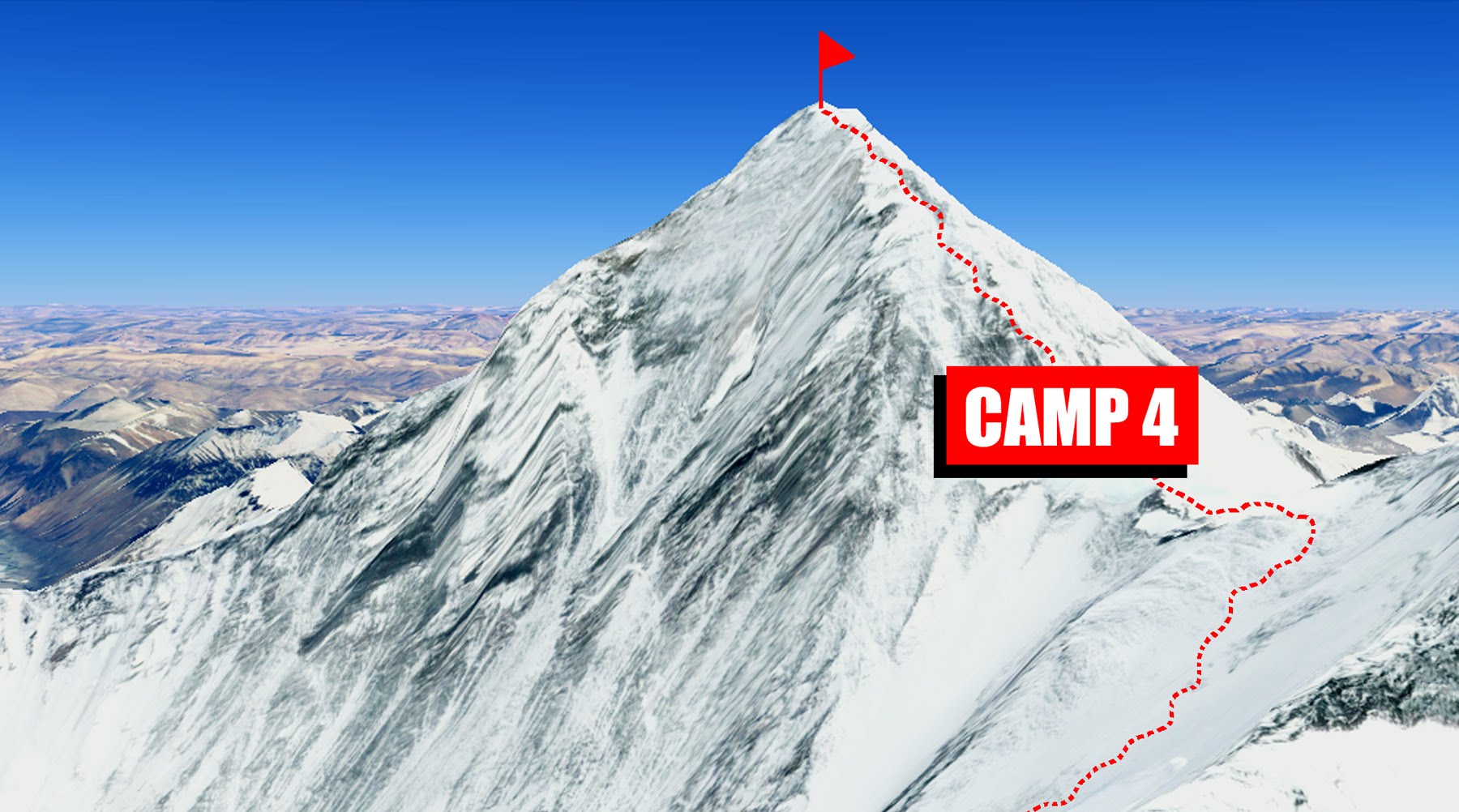
The expedition will then require to stay up at camp 2 for two nights and at camp 3 for one night. At Camp IV, situated on the South Col, climbers prepare for the final summit attempt. Most commercial expeditions use supplemental oxygen at these extreme altitudes to support breathing and reduce the effects of severe oxygen deprivation. However, using supplemental oxygen does not replace the need for proper acclimatisation. Usually, trekkers leave camp 4 between 9 pm and midnight so that you can reach the top in the morning and have enough time to come back to camp 4. Similarly, also at the descending period, you will need to take rest at the different camps to regain your energy instead of heading down continuously.

There is another route to climb Mount Everest that is north ridge which is situated in Tibet. Also, the north ridge is technically more difficult because it includes challenging rocks on the route.

In the expedition on high altitude mountain, the most important and most time consuming is acclimatizing period.

Acclimatizing is important but along with this taking consideration of things like the weather, your own health condition at the moment, obstacles on the mountains including avalanche, properly fixed ropes is also equally important.

And they also determine how long you will have to spend a certain camp or at the base camp.

Climbing the Mount Everest is like pushing yourself towards the risk of death. Many have tried climbing the mountain regardless of all the risks and difficulties out of which some made it to the top and some died on the way.

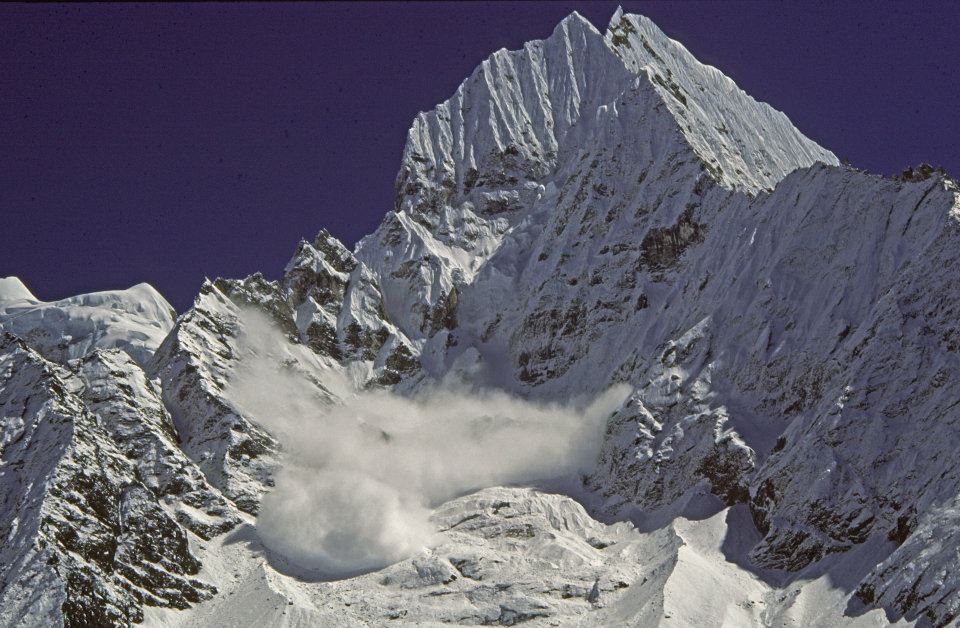
The time taken to climb Everest is not the same for everyone. It depends upon various risks such as avalanche (mass of snow, rocks falling down the mountain), crevasses (a deep open crack especially in glaciers), and the unpredictable weather of the Mount Everest, rocks fall, and oxygen deprivation.  

You might like

Where is Mount Everest located?

How Long Does the Everest Base Camp Trek Take?

The Everest Base Camp Trek is different from climbing Mount Everest. The trek takes visitors to Everest Base Camp at approximately 5,364 metres, but it does not involve climbing to the summit of Mount Everest, which stands at 8,848.86 metres.

A standard Everest Base Camp Trek generally takes around 12–14 days from Lukla and back, depending on the itinerary, acclimatisation days and walking pace.

Unlike a technical Everest expedition, the trek does not require climbing equipment, high-altitude climbing rotations or an attempt to reach the summit. It offers an opportunity to explore the Khumbu region, experience Sherpa culture and enjoy views of Mount Everest and the surrounding Himalayan peaks.

Affiliations & Recommendations