Trip Facts

icon-calendar
Trip Duration 14 Days
icon-meter
Trip Difficulty Moderate
icon-mountain
Maximum Altitude 4,130m/13,549ft
icon-season
Best Season To Visit Mar - May & Mid Sep – Mid Dec
icon-group
Average Group Size Min pax 2

Trip Overview

Annapurna Base Camp Trek Overview

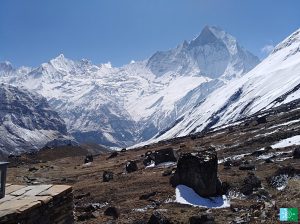
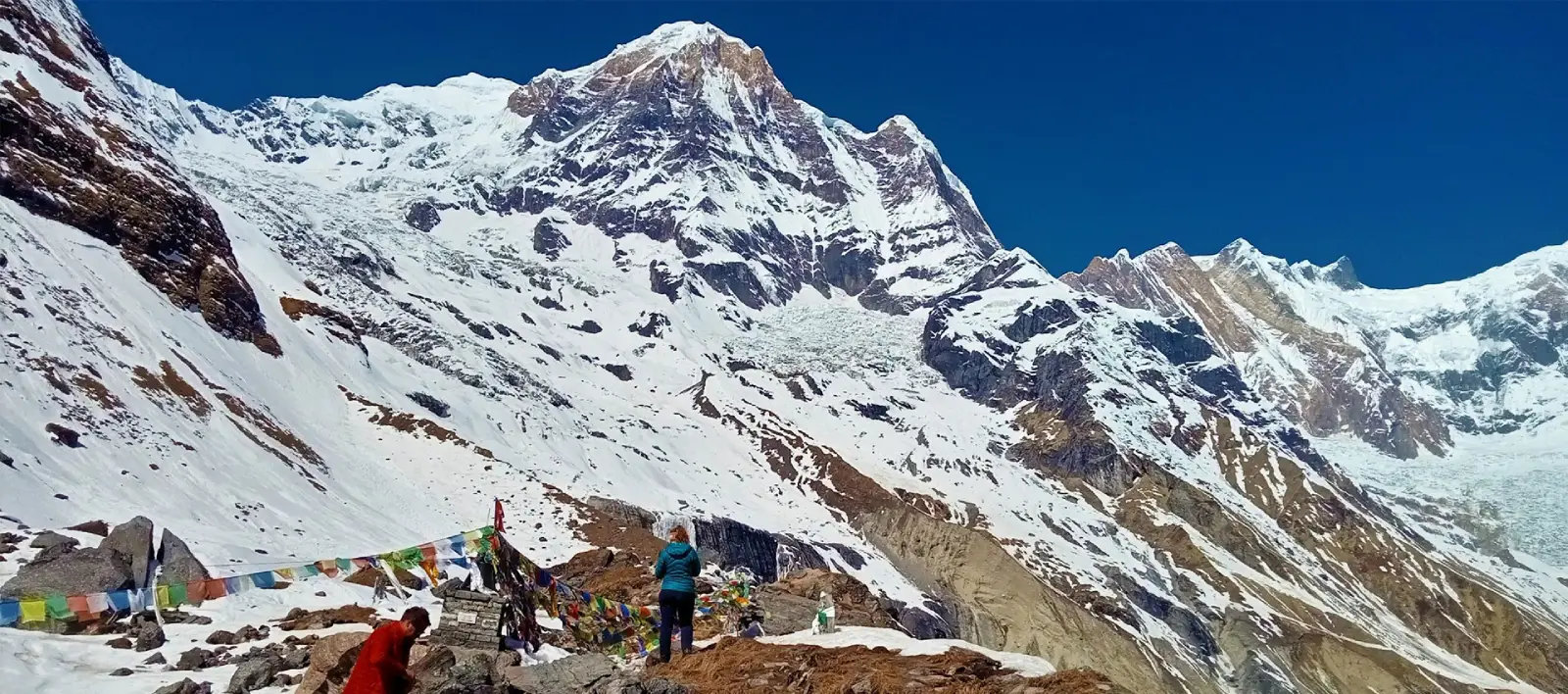
The Annapurna Base Camp Trek  is one of Nepal’s most popular trekking adventures. Also known as the Annapurna Sanctuary Trek, this journey takes you deep into the heart of the Himalayas. Mt. Annapurna, standing at 8,091 meters, is the world’s 10th highest peak. Its base camp, at 4,130 meters, offers breathtaking panoramic views of the surrounding mountains.

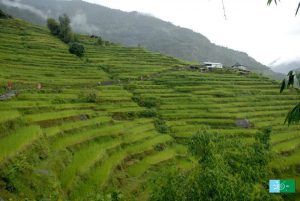
The Annapurna Base Camp Trek showcases diverse scenery, from terraced fields and lush forests to dramatic cliffs and snow-covered peaks. As you gain altitude on the Annapurna Base Camp Trek, the environment shifts from warm greenery to pristine alpine terrain. You’ll hike through traditional Gurung and Magar villages, known for warm hospitality and vibrant traditions. These communities add a rich cultural layer to the trekking experience.

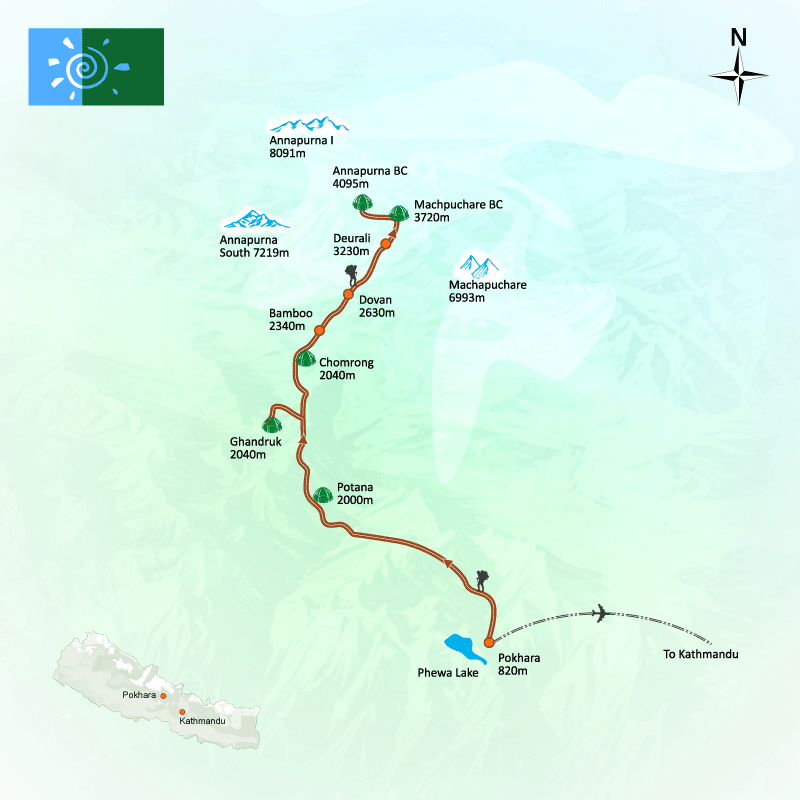
The journey begins with a short flight from Kathmandu to Pokhara, followed by a scenic drive to Birethanti, the starting point of the Annapurna Base Camp Trek. Soon after, you ascend steeply to Ghorepani, a vibrant mountain village. Early the next day, hike to Poon Hill to enjoy one of the trek’s most stunning sunrise views. Here, the Annapurna and Dhaulagiri ranges glow with golden light—an unforgettable sight on the Annapurna Base Camp Trek.

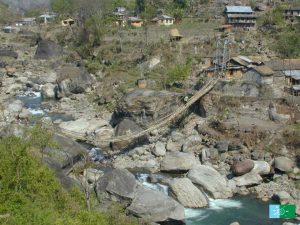
The trail continues through forests, valleys, and suspension bridges, offering constant variety on your Annapurna Base Camp Trek. Eventually, you reach Machhapuchhre Base Camp, followed by the final ascent to Annapurna Base Camp itself. Surrounded by towering peaks, the base camp feels both humbling and awe-inspiring.

Whether you travel solo, as  families, or with a school group, the Annapurna Base Camp Trek offers the perfect mix of nature and culture. . Above all, this trek promises a deeply rewarding Himalayan experience.

Best Season for Annapurna Base Camp Trek

The best time to trek to Annapurna Base Camp is in spring (March to May) or autumn (September to November).

In spring, rhododendrons bloom and skies stay clear. Autumn brings crisp air, dry trails, and ideal visibility.

Avoid the monsoon season (June to August), which brings rain, leeches, and poor trail conditions. Winter treks are possible but cold, with snow likely above 3,000 meters.

Annapurna Base Camp Trek Difficulty

The Annapurna Base Camp Trek is moderately challenging. Most people in good health can complete it with proper preparation. Expect to walk five to seven hours each day on mixed terrain. You’ll gradually ascend to 4,130 meters, so altitude awareness is key. No prior trekking experience is needed, but cardio fitness and leg strength help.

Start training 4–6 weeks before departure. Focus on walking, hiking, or light running. Core and leg exercises help with stamina and strength. Stretching and hydration are equally important.

Mental preparation is also vital. Stay flexible, patient, and open to challenges. Practice mindfulness or light meditation to help you stay calm and focused.

Why Choose Nepal Sanctuary Treks for Your Annapurna Base Camp Trek?

With Nepal Sanctuary Treks, your Annapurna Base Camp Trek is fully customized to match your needs and travel style. As a Travelife  Certified company, we are committed to sustainable tourism in Nepal and uplifting local communities. Our treks combine adventure with cultural immersion, creating a meaningful and enriching Himalayan experience.

Our expert local guides know the Annapurna trails thoroughly and prioritize your safety at every step. We keep group sizes small to offer personal attention and foster a deeper connection with the people and places you visit.

By staying in family-run teahouse lodges and working closely with local suppliers, your journey supports Nepal’s rural economy. This is responsible trekking that gives back, leaving a lasting, positive impact on both nature and community.

Customizable Annapurna Base Camp Trek Itinerary

Explore the breathtaking Annapurna Base Camp Trek in Nepal’s Annapurna region. Book Annapurna Base Camp  trek itinerary  with Nepal Sanctuary Treks today. This is only a sample itinerary of Annapurna Base Camp Trek . We shall customize Annapurna Base Camp itinerary according to your preferences and requirements.

Note: Below Annapurna Base Camp Trek’s hours, altitudes and distances are approximate, and absolutely for the general idea only.
 

Trip Itinerary

Day 01: Arrive at Kathmandu airport

Altitude above sea level: 1,302 m / 4,269 ft.
Driving Time: Approximately 30 minutes (depending on traffic)
Accommodation: Hotel Tibet or similar

Upon arrival at Tribhuvan International Airport in Kathmandu, you will be warmly welcomed by our representative holding a “Nepal Sanctuary Treks” placard.

You will then be transferred to your hotel in a private vehicle. After checking in and freshening up, our representative will meet you to provide a detailed briefing on your upcoming itinerary, along with important safety guidelines and hygiene practices to ensure a smooth and enjoyable trek.

Day 02: Cultural Introductory Tour and Trek preparation

Altitude : 1,302 m / 4,269 ft.

Tour Duration:  Approx. 8 hours

Accommodation: Hotel Tibet or similar

Meal: Breakfast

9:00 AM: Guided Cultural Tour of Kathmandu Valley

Start your day with a guided cultural tour around Kathmandu Valley. Explore the vibrant Kathmandu with our expert guides, who will share insights into the area’s rich history.

Kathmandu Durbar Square

Visit Kathmandu Durbar Square (Hanuman Dhoka Durbar), a historical royal complex with temples, palaces, and shrines dating back to the 15th century. Key attractions include Kumari Ghar (the house of the living goddess) and Kasthamandap, built from a single tree.

Swayambhunath (Monkey Temple)

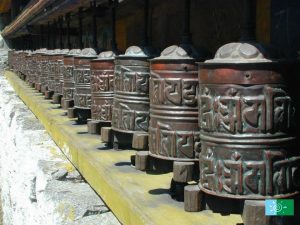
Next, head to Swayambhunath, the Monkey Temple, a sacred site for both Hinduism and Buddhism. Admire the stunning white dome and golden spire, while soaking in the serene atmosphere filled with incense and prayer wheels.

PM: Boudhanath Stupa

Visit the massive Boudhanath Stupa, a UNESCO World Heritage Site. It’s a spiritual center for Tibetan culture, surrounded by prayer flags, monks, and devotees chanting ‘Om Mani Padme Hum’.

Pashupatinath Temple

Conclude your tour at the Pashupatinath Temple, one of the most sacred Hindu temples, located along the Bagmati River. Here, you can witness profound spiritual rituals, including the moving sight of open-air cremations, which hold deep cultural significance. After immersing yourself in this sacred experience, you will transfer back to your hotel.

Day 03: Flight to Pokhara- Drive to Birethathi- Trek Ulleri

Altitude above sea level: 1,960 m / 6,430 ft. – Ulleri
Flight duration: KTM–PKR approx. 25 minutes
Driving duration: PKR–Birethanti approx. 1 hr.
Hiking duration: approx. 4 hrs. (approx. 7.7 km / 4.8 mi)
Ascent: 1,000 m / 3,281 ft. 
Descent: 32 m / 105 ft. 
Accommodation: Teahouse lodge
Meal: Breakfast, Lunch & Dinner

Start your trek with a short flight from Kathmandu to Pokhara, the gateway to the Annapurna region. Then, enjoy a scenic one-hour drive  to Birethanti, where your trek begins.

Walk through charming villages, lush rice fields, and along clear rivers. Cross steel suspension bridges and pass the important TIMS checkpoint. Stop for lunch at Sudami, near a small waterfall.

After lunch, the trail gradually ascends beside the Bhurungdi River to Hille. Continue hiking to Tikhedhunga, then climb 3,200 stone steps to reach Ulleri, where you will stay overnight.

Day 04: Trek to Ghorepani

Altitude above sea level: 2,750 m / 9,022 ft. – Ghorepani
Hiking duration: 5–6 hrs. approx. (8.5 km / 5.32 mi)
Ascent: 1,013 m / 3,323 ft.
Descent: 174 m / 571 ft.
Accommodation: Teahouse lodge
Meal: Breakfast, Lunch & Dinner

After a hearty breakfast, begin a steep climb followed by a gentler ascent toward Nangethanti. Along the way, enjoy breathtaking views of Machhapuchhre (Fishtail) 6,997 m / 22,943 ft, Hiunchuli 6,441 m / 21,132 ft, and Annapurna South 7,219 m / 23,684 ft.

Continue hiking to Ghorepani, a charming mountain village known for its blue-roofed houses. Ghorepani’s name reflects its historic role as a resting stop for traders: “Ghora” means horse, and “Pani” means water—merchants stopped here to water their horses.

Ghorepani is the gateway to Poon Hill, one of the trek’s highlights, famous for its stunning sunrise views over the Annapurna and Dhaulagiri ranges.

Day 05: Sunrise hike to Poon Hill-Trek to Tadapani

Altitude above sea level: 2,721 m / 8,930 ft. – Tadapani
Hiking duration: approx. 6 hrs. (12.6 km / 7.85 mi)
Ascent: 692 m / 2,270 ft.
Descent: 1,037 m / 3,402 ft.
Accommodation: Teahouse lodge
Meal: Breakfast, Lunch & Dinner

Start early with a pre-dawn hike to Poon Hill (3,210 m / 10,531 ft.), one of the most popular viewpoints on the Annapurna Base Camp Trek. From the summit, enjoy panoramic sunrise views of Gangapurna, Annapurna South, Annapurna I, Dhaulagiri, and Hiunchuli.

After soaking in the scenery, return to Ghorepani for breakfast, then continue trekking toward Tadapani along a scenic ridgeline with sweeping views of the Annapurna range.

The trail descends steeply to a small village, passes through a gorge, and climbs again through dense forest before reaching Tadapani. This village overlooks the Modi River Valley and offers clear views of Machhapuchhre (Fishtail) Mountain.

Day 06: Trek to Chomrong

Altitude above sea level: 2,170 m / 7,119 ft. – Chomrong
Hiking duration: approx. 6–7 hrs. (10.9 km / 6.75 mi)
Ascent: 676 m / 2,218 ft. 
Descent: 1,162 m / 3,812 ft.
Accommodation: Teahouse lodge
Meal: Breakfast, Lunch & Dinner

After breakfast, begin your trek by descending a steep hill into a rhododendron forest, alive with birdsong. During spring, enjoy the vibrant colors of blooming rhododendrons along the trail.

Continue through terraced fields down to the Kimrung Khola River, crossing a suspension bridge before ascending to Ghurjung (2,010 m / 6,594 ft). Pass several small homes and a wooden bridge before winding through side valleys.

Next, climb steeply to a mountain ridge with stunning views of Machhapuchhre (Fishtail). Pass the village of Taglu before reaching your destination, the picturesque village of Chomrong.

Day 07: Trek to Himalayan

Altitude above sea level: 2,920 m / 9,580 ft – Himalayan
Hiking duration: approx. 7–8 hrs. (12.8 km / 7.95 mi)
Ascent: 1,153 m / 3,783 ft
Descent: 560 m / 1,837 ft
Accommodation: Teahouse lodge
Meal: Breakfast, Lunch & Dinner

Start the day by descending steep stone steps to the Chomrong Khola River. Then the trail climbs through terraced fields, followed by thick bamboo and rhododendron forests. The path alternates between steep ups and downs, with glimpses of Annapurna and Machhapuchhre (Fishtail) peaks through the forest canopy.

Along the way, enjoy diverse flora, including rhododendron, oak, and hemlock trees; a paradise for birdwatchers. After reaching Khuldigar, descend a stone staircase into a dense bamboo forest to the small settlement called Bamboo Lodge.

From there, hike steeply through bamboo and rhododendron forest, following a high trail above the river, until you reach the village of Himalayan. Rest overnight and enjoy the peaceful mountain surroundings.

Day 08: Trek to Machhapuchhre Base Camp

Altitude above sea level: 3,700 m / 12,139 ft. – Machhapuchhre Base Camp
Hiking duration: approx. 5 hrs. (6.5 km / 4.06 mi)
Ascent: 889 m / 2,917 ft.
Descent: 40 m / 131 ft.
Accommodation: Teahouse lodge
Meal: Breakfast, Lunch & Dinner

Start early and hike through thick bamboo forests to Hinko Cave, a large cave used as shelter by local herders and trekkers.

Next, walk through a narrow gorge known as the “gates” of the Annapurna Sanctuary, with Hiunchuli on one side and Machhapuchhre (Fishtail) on the other.

Reach Machhapuchhre Base Camp (MBC), perched on a ledge above the gorge. This sacred mountain cannot be climbed. Enjoy spectacular views of Annapurna South, Annapurna I, Annapurna III, Hiunchuli, Gangapurna, and Machhapuchhre.

Rest overnight in a cozy teahouse surrounded by the stunning Himalayan scenery.

Day 09: Trek to Annapurna Base Camp

Altitude above sea level: 4,130 m / 13,550 ft. – Annapurna Base Camp
Hiking duration: approx. 3 hrs.  (3.5 km / 2.15 mi)
Ascent: 438 m / 1,437 ft.
Accommodation: Teahouse lodge
Meal: Breakfast, Lunch & Dinner

Begin your day early, before sunrise, to enjoy a safe and serene hike to Annapurna Base Camp (ABC). Early morning departures reduce avalanche risks and offer the most peaceful trekking experience.

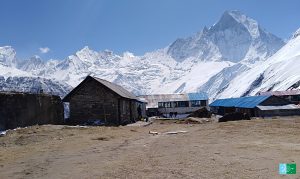
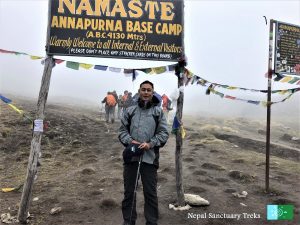
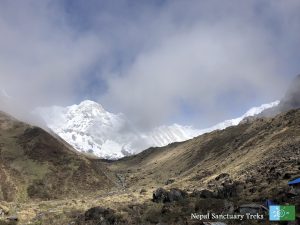
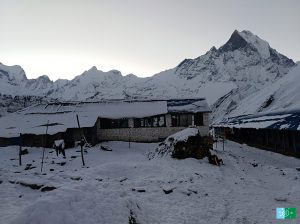
The trail winds into the Annapurna Sanctuary, following a gentle stream before ascending gradually to the base camp. Nestled at the foot of the Annapurna Glacier’s lateral moraine, ABC delivers an unforgettable arrival for trekkers, with stunning panoramic views of the surrounding Himalayan peaks.

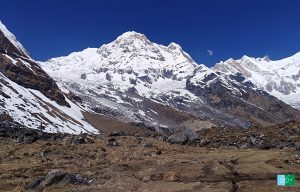
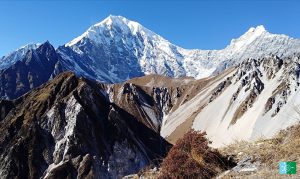
From ABC, marvel at the towering mountains, including Machhapuchhre (Fishtail), Annapurna South, Annapurna I, Hiunchuli, and several other snow-capped giants. The glacier’s moraine adds to the dramatic scenery, making it a perfect spot for photography and reflection.

Celebrate reaching one of Nepal’s most iconic trekking destinations and unwind at a cozy teahouse for the night, soaking in the breathtaking Himalayan landscapes.

Day 10: Trek to Bamboo

Altitude above sea level: 2,335 m / 7,660 ft. Bamboo

Hiking duration:  6 – 7 hrs. Approx.

Accommodation: Tea house lodge

Meal: Breakfast, Lunch & Dinner

After enjoying the stunning mountain views and a hearty breakfast at Annapurna Base Camp, begin your descent toward Bamboo. Retrace your steps, passing Machhapuchhre Base Camp, Deurali, and the Himalayan Hotel along the way.

Descend to the Modi Khola River and continue until you reach the peaceful rural village of Bamboo, where you’ll spend the night in a cozy teahouse.

Day 11: Trek to Ghandruk

Altitude : 1,970 m / 6,460 ft. Ghandruk

Hiking duration: 6 – 7 hrs. Approx.

Accommodation: Tea house lodge

Meal: Breakfast, Lunch & Dinner

Start early for a long descent as you retrace your steps back toward Chhomrong village. Then, the trail climbs to a ridge before leveling out as you enter the Kimrong Khola valley, where the walking becomes easier.

Soon, you’ll reach the junction from Ghorepani, just beyond the village of Kimrong. From here, the trail drops steeply down switchbacks through open rocky fields to the charming village of Ghandruk.

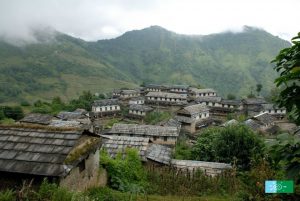
Ghandruk is a prominent Gurung community, one of Nepal’s ethnic groups. Exploring this traditional village offers a rich cultural experience, showcasing the Gurung way of life amid stunning mountain scenery. Enjoy breathtaking panoramic views of the Annapurna massif.

Ghandruk is also famous for its terraced fields and spectacular sunrise and sunset views. After arriving, take time to explore the village’s old-style houses, visit the cultural museum, and see the local monastery.

Day 12: Trek to Syaulibazaar-Drive Pokhara

Altitude above sea level: 895 m / 2,936 ft. Pokhara

Hiking duration:  4-5 hrs. Approx.

Driving time: 1.5 hr. approx.

Accommodation: Mount Kailash Resort or similar

Meals: Breakfast, & Lunch

Start your day early with spectacular views of the Annapurna range and nearby snowy peaks. After a hearty breakfast in Ghandruk, soak in the morning sunshine and mountain scenery.

Begin your trek, walking through charming villages and lush rice fields as you descend toward Syaulibazaar. At Syaulibazaar, meet your private jeep transfer waiting to take you back to Pokhara.

Check into your hotel and enjoy some leisure time exploring this vibrant lakeside city. You can visit local attractions like caves, pagodas, or rent a boat to visit Tal Barahi Temple, located on a small island in Phewa Lake.

Day 13: Flight to Kathmandu

Altitude above sea level:1,302 m / 4,272 ft. Kathmandu

Flight duration: 25 minutes approx.

Accommodation: Hotel Tibet or similar

Meals: Breakfast

After breakfast, take a short flight back to Kathmandu. Upon arrival, check in to your hotel and enjoy some free time to relax. You can shop for souvenirs or unwind after your unforgettable adventure.

Day 14: Final Departure

Meal: Breakfast

As your unforgettable journey comes to an end, it’s time to fly back home, cherishing all the incredible memories of Nepal. A representative from Nepal Sanctuary Treks will transfer you to Tribhuvan International Airport (TIA). Please make sure to check in 3 hours prior to your scheduled flight for a smooth departure.

Price Included

What's Included

  • Private airport transfers,
  • Private transfer to/from trek point
  • Internal flight: Kathmandu-Pokhara-Kathmandu
  • 3 nights in Hotel Tibet or similar in Kathmandu with breakfast,
  • 1-night in Mount Kailash Resort or similar with breakfast
  • Tea house lodge accommodation during trek on full board
  • Guided Kathmandu sightseeing tour with entrance fees
  • Staff insurance on the trek,
  • Trek guide & porters
  •  Annapurna Conservation fees
  • Waterproof Duffel bag
  • Map
  • First aid kit supplies

What's not Included

  • Lunch and Dinner in Kathmandu and Pokhara (approx. US$ 20 per day)
  • Beverages,
  • Personal equipment,
  • Personal bills,
  • International airfare
  • Excess baggage beyond 15 kilos, including day pack
  • Visa fee: US$ 30 for 15 days, US$ 50 for 30 days, and US$ 125 for 90 days of multiple entries
  • Insurance (for cancellation, accident, health, emergency evacuation and loss, theft of or damage to baggage and personal effects), liability insurance
  • Tips

Trip Important Notes

Annapurna Base Camp Trek Cost

The cost of the Annapurna Base Camp Trek can vary depending on your travel style, group size, and the level of comfort you prefer. On average, the trek is more affordable than many high-altitude Himalayan adventures, making it a popular choice for trekkers of all backgrounds.

A standard Annapurna Base Camp Trek typically includes professional guides, accommodation in teahouse lodges, daily meals during the trek, permits, and transportation. Costs may increase if you choose private treks, upgraded lodging, or additional acclimatization days.

Factors that affect the cost include the trekking season, group size, use of porters, and trek duration. Traveling with a local trekking company not only simplifies logistics but also ensures better safety and responsible travel practices.

Permits Required for Annapurna Base Camp Trek

To trek to Annapurna Base Camp, you will need specific permits issued by the Nepal government. These permits help conserve the natural environment and support local communities.

The main permits required are:

  • Annapurna Conservation Area Permit (ACAP)
  • TIMS Card (Trekkers’ Information Management System), where applicable

Most trekkers arrange these permits through their trekking company, making the process simple and hassle-free. Carrying permits during the trek is mandatory, as checkpoints are located along the trail.

Accommodation and Food on the Annapurna Base Camp Trek

Accommodation during the Annapurna Base Camp Trek is provided in traditional teahouse lodges. These lodges are simple, cozy, and run by local families. Rooms are usually twin-sharing with comfortable beds, warm blankets, and shared bathrooms at higher altitudes.

Meals are freshly prepared and nourishing, perfect for trekking days. A typical menu includes:

Dal bhat (rice, lentils, vegetables)

  • Noodles, pasta, and fried rice
  • Soups, momos, and potatoes
  • Tea, coffee, and herbal drinks

Vegetarian meals are widely available, and special dietary needs can often be accommodated with advance notice. Eating local food is not only healthier at altitude but also supports local farmers and lodge owners.

Annapurna Base Camp Trek Packing List

Packing smartly makes your Annapurna Base Camp Trek more comfortable and enjoyable. You don’t need expensive gear, but layering and essentials are key.

Clothing:

  • Warm jacket or down jacket
  • Moisture-wicking base layers
  • Trekking pants and shirts
  • Rain jacket and warm hat

Trekking Gear:

  • Comfortable trekking boots
  • Daypack
  • Trekking poles
  • Sleeping bag (recommended for colder nights)

Personal Items:

  • Sunscreen and sunglasses
  • Reusable water bottle
  • Basic toiletries and first-aid kit
  • Headlamp or torch

Packing light but wisely helps you enjoy the trek without unnecessary strain.

Altitude and Acclimatization on the Annapurna Base Camp Trek

The Annapurna Base Camp Trek reaches a maximum altitude of 4,130 meters, making proper acclimatization important. The trek follows a gradual ascent, allowing your body time to adjust naturally.

You may experience mild altitude symptoms such as shortness of breath or fatigue, which is normal. Staying hydrated, walking at a steady pace, and listening to your guide’s advice greatly reduce risks.

Experienced guides monitor your health closely and adjust the pace when needed. With sensible trekking practices, most trekkers complete the journey comfortably and safely.

Weather and Temperature on the Annapurna Base Camp Trek

Weather conditions change as you move higher into the mountains. Days are generally pleasant for walking, while nights can be cold, especially at higher elevations.

Spring and autumn offer the most stable conditions, with clear skies and comfortable temperatures. Winter brings colder nights and occasional snowfall, while summer sees warmer temperatures but more rain.

Dressing in layers helps you adapt easily to changing conditions throughout the day.

Annapurna Base Camp Trek vs Everest Base Camp Trek

Many trekkers wonder whether to choose the Annapurna Base Camp Trek or the Everest Base Camp Trek. Both offer incredible Himalayan experiences, but Annapurna Base Camp is often preferred for its diverse landscapes, shorter duration, and lower altitude.

The Annapurna trek passes through forests, villages, waterfalls, and glaciers, while Everest Base Camp focuses more on high-altitude mountain scenery. Annapurna Base Camp is also generally less crowded and more budget-friendly, making it ideal for first-time trekkers.

Safety and Support on the Annapurna Base Camp Trek

Safety is a top priority on the Annapurna Base Camp Trek. Trails are well-marked, and teahouses are available throughout the route. Trekking with an experienced guide adds an extra layer of security and confidence.

Guides carry first-aid kits and are trained to recognize altitude-related issues. Emergency evacuation services are available if required, and travel insurance covering high-altitude trekking is strongly recommended.

Responsible and Sustainable Trekking

Trekking to Annapurna Base Camp is not just about adventure—it’s also about respecting nature and local culture. Supporting local teahouses, minimizing plastic use, and respecting traditions help preserve the region for future generations.

By choosing responsible trekking practices, you contribute positively to local livelihoods while protecting Nepal’s fragile mountain environment.

Faqs

Are there health risks or concerns about altitude sickness on the Annapurna Base Camp trek?

Nepal Trek Altitude Sickness: Altitude sickness can affect trekkers at high elevations, causing headaches, nausea, dizziness, and fatigue. To prevent it, ascend slowly, stay hydrated, and recognize early symptoms. Consulting a healthcare professional before your trek is recommended. At Nepal Sanctuary Treks, our team carries a portable altitude chamber (PAC), oximeter, and Lake Louise form to monitor travelers’ health. Our itineraries include strategically placed acclimatization days, allowing trekkers to adjust safely and reduce the risk of altitude sickness. Contact our expert for more information.

Are there group treks available to Annapurna Base Camp?

Nepal Adventure Treks with Nepal Sanctuary Treks offer unforgettable, private and customized trekking experiences in Nepal. As one of the best trekking companies in Nepal, we specialize in creating tailor-made adventures for families, solo travelers, and small groups. While we don’t run fixed-departure group treks, we craft personalized itineraries that match your preferences and pace.

Start planning your personalized Nepal adventure trek today by contacting us at [email protected].

How can I ensure safe drinking water on the Annapurna Base Camp trek?

ABC Trek Drinking Water Tips are essential for a safe and healthy trek. While the Annapurna Base Camp trail has many water sources, it’s important to purify water before drinking. Use water purification tablets, filters, or Chlorine Dioxide to remove bacteria, viruses, and protozoa.

Many teahouses offer boiled water for a small fee, but it may not always be fully safe. If tablets leave a strong taste, add electrolytes or flavored drink mixes. Using a water purifier is the most reliable way to stay hydrated and healthy during your trek.

Contact our expert for more information.

Can I trek Annapurna Base Camp during the monsoon season?

Nepal monsoon trekking (June to mid-September) is not recommended. Heavy rainfall can lead to slippery trails, landslides, and cloud-covered mountain views, making trekking dangerous and less enjoyable.

Plan your trek for the best season with Nepal Sanctuary Treks, a Travelife Certified trekking agency to ensure a safe and unforgettable adventure. Contact us for more information.

How difficult is the Annapurna Base Camp trek for beginners?

The ABC Trek Difficulty & Preparation guide helps beginners and moderately fit trekkers plan for a safe Himalayan adventure. The trek reaches a maximum altitude of 4,130 m, so altitude sickness can occur above 2,500 m, especially between Deurali and ABC.

The trail includes thousands of steep steps, including over 3,300 steps to Ulleri, long climbs around Chhomrong, forest paths, and rocky sections. Trekkers typically walk 5–7 hours daily, covering 10–15 km per day over 7–12 days.

No technical skills are required, but proper physical and mental preparation is essential. Focus on cardio, stair, or hill training, set achievable goals, rest as needed, dress in layers, stay hydrated, and maintain a balanced diet.

With the right preparation, trekkers can enjoy a safe, rewarding, and unforgettable ABC experience in the Annapurna Himalayas. Read More.

What are the accommodations like during Annapurna Base Camp trek?

Annapurna Base Camp teahouses offer twin shared rooms with two single beds, basic bedding, thin plywood walls, and no in-room heating. Bringing your own sleeping bag is highly recommended for warmth and hygiene, especially at higher altitudes like Machapuchare Base Camp (MBC) and ABC, where nights can be very cold.

Bathrooms are usually shared and may feature Western or squat toilets. Some lower villages, such as Ghorepani and Chhomrong, may offer attached Western-style bathrooms, but these are rare higher on the trail.

Hot showers are generally available for an extra cost (NPR 150–500 / $1–$4 USD). At higher elevations, hot water may be limited or unavailable due to frozen pipes or reliance on solar power.

Teahouses also include a communal dining hall, often heated by a wood-burning stove in the evenings. This area serves as the main social hub and is usually the only place to charge devices for an additional fee.

Tips for Annapurna Base Camp Teahouses:

  • Bring a warm sleeping bag for cold nights.

  • Carry cash in small denominations for showers and charging devices.

  • Expect basic facilities at higher elevations.

Nepal Sanctuary Treks, a Travelife Certified top trekking agency in Nepal for the ABC trek, plans your itinerary, books teahouses in advance, and ensures a safe, comfortable experience.

Can I extend the Annapurna Base Camp trek to other areas or combine it with other treks?

Yes! The Annapurna Region offers many trekking options. You can explore the Annapurna Circuit, visit  or join custom treks. Nepal Sanctuary Treks provides tailored experiences for solo travelers, families, and small groups, ensuring safe and memorable trekking adventures.

Trekking in Annapurna Region offers many options for all types of travelers. You can explore the Annapurna Circuit, visit Ghorepani and Poon Hill, or join customized treks. Nepal Sanctuary Treks provides safe, tailored trekking experiences for families, school and small groups.

What are the highlights of Annapurna Base Camp Trek?

The trek offers stunning mountain views, diverse landscapes, encounters with local culture, and the reward of reaching the base camp of one of the world’s highest peaks. Machapuchare (Fishtail) and Annapurna South are some of the prominent peaks you’ll see. Read more

What can one expect in terms of temperature during the Annapurna Base Camp Trek?


Month Max Temperature (°C) Min Temperature (°C)
March 4 -8
April 8 -4
May 14 0
June 16 3
July 18 6
August 19 7
September 20 0
October 16 -6
November 11 -10
December 9.3 -14
January 7 -19
February 6 -20

What is the altitude of Annapurna Base Camp?

Annapurna Base Camp is situated at an altitude of approximately 4,130 meters (13,550 feet) above sea level.

What is the cost of the Annapurna Base Camp trek?

The cost can vary widely based on customized itineraries. For more detail, please contact our expert.

What is the daily trekking distance and duration of Annapurna Base Camp?

On average, you will trek for 5–7 hours per day, covering a distance of 10–15 kilometres (6-9 miles). However, this can vary depending on your pace and the specific itinerary you choose.

When is the best time to undertake the Annapurna Base Camp trek?

The optimal times for the Annapurna Base Camp trek are during the pre-monsoon (spring) season from March to May and the post-monsoon (autumn) season from September to November. These periods provide the best weather conditions and the clearest views of the mountains.

What permits are required for the Annapurna Base Camp trek?

You need Annapurna Conservation Area Permit (ACAP) and a Trekkers’ Information Management System (TIMS) card. Nepal Sanctuary Treks will handle the arrangements for these permits.

What is the duration of the Annapurna Base Camp Trek?

The duration of the Annapurna Base Camp Trek can range from 7 to 12 days, depending on the starting and ending points. Nepal Sanctuary Treks offers customised itineraries tailored to each client’s preferences and schedule.

Where in Tribhuvan airport I will be paying my visa fee?  I’ve already completed the application online but I’m unclear where I make my payment at the airport.  

Since you completed the process online, you will receive a submission receipt with a barcode. Please print this receipt and bring it with you when you visit the visa fees collection counter. Make sure about the type of visa you will need (15 days, 30 days, or 90 days) and make the payment accordingly. We recommend you bring the exact amount in US currency of the current visa fee while paying at the visa counter.

Next, you should head to the Immigration Desk, taking along your online application form, payment receipts, and your passport. Hand over these documents to the immigration officer to initiate the visa processing procedure.

Do I have a porter for the trek?

Porter for the trek services are included to make your trek easier and more comfortable. Bring only what you’ll need during the day, such as warm clothing, a jacket, a camera, water bottles, snacks, and a personal first-aid kit. Your daypack should weigh no more than 5 kg. The rest of your personal belongings will be carried by a porter in a duffel or kit bag, with a maximum weight limit of 15 kg per trekker. Be sure to label your bag clearly for easy identification. Contact us for more information.

What is a typical Teahouse Trek itinerary?

A typical Teahouse Trek itinerary includes three meals each day. Mornings start by packing your overnight gear into your main bag before breakfast, while porters set off early. Trekking usually begins around 8 a.m. at a leisurely pace, allowing plenty of time to enjoy the scenery, take photos, and visit local villages. Lunch is served at a teahouse along the trail between 11 a.m. and noon. After lunch, trekking continues around 1 p.m., with most days ending at the lodge by mid-afternoon. Upon arrival, you’ll be offered a hot drink and biscuits. Dinner typically includes a two-course meal such as soup followed by dal bhat, momos, or Sherpa stew, with local specialties recommended. Evenings conclude with the trek leader providing a briefing for the next day’s itinerary. Learn more

Ask Our Travel Expert

Affiliations & Recommendations

Annapurna Base Camp Trek : Explore Nepal’s Himalayan Adventure