Essential Packing List for the Lamjung Himal Trek
Footwear:
- Walking boots. A pair of water-repellent boots with ankle support.
- Multiple pairs of thick wool or synthetic trekking socks
- Trainers or trail shoes. Can be used in and around the lodge in the afternoons/evenings.
- Gaiters and Yaktrax
Clothing:
- Waterproof jacket and trousers (Gore-Tex or similar).
- Trekking trousers.
- Soft Shell Trousers.
- Long sleeve shirts (not cotton).
- Mid to heavyweight fleece.
- Sleeveless or body warmer type fleece.
- Thermals or base layer for top & bottom (merino wool or synthetic).
- Fleece pants.
- Medium weight down jacket (e.g.: Nuptse jacket by The North Face).
Hand wear:
- Insulated, waterproof gloves/mittens and liner gloves
Headwear:
- Wool or fleece hat.
- Sun hat.
- Bandana or scarf.
- Head torch. Bring extra batteries.
- Sunglasses.
Personal Equipment:
- Day pack (you’ll need during the day, such as warm clothes, a jacket, a camera, water bottles, snacks, and a personal first aid kit. Keep your daypack under 5 kg. A porter will transport the rest of your personal gear in a duffel or kit bag, which should not exceed 15 kg per trekker. Clearly mark your bag to help identify it easily.)
- Stuff sacks for keeping your gear dry and organized.
- Water bottles (Nalgene wide-mouth bottles are the best).
- Sunscreen and lip salve with a high SPF.
- Water purification tablets (Aqua Tab,Katadyn Micropur, Chlorine dioxide).
- Favourite snack food.
- Pee bottle (Recommended for nights. Men can use a water bottle; women can use a SheWee.)
- Camera with spare batteries and memory cards.
- Insurance certificate.
- Trekking poles
- Sleeping bag
- Flash Light
- Earplugs (optional).
- Hand sanitizer
- Face Mask
- Spare cash for extra expenses like hot shower, boiled water, gadget charging during trek
Traveling:
- Bring a small combination padlock to secure the bag.
- Travel clothes. You will need casual clothing for air travel days and time spent in Kathmandu.
- Toiletry bags include toilet paper, soap, towel, toothbrush, etc.
- Quick dry towel
Personal first aid kit: Note: Nepal Sanctuary Treks provides a comprehensive group first aid kit, but please bring personal medications and other items you might use regularly.
Lamjung Himal Trek Temperature Guide
Weather conditions on the Lamjung Himal trekking route vary depending on altitude and season. Lower areas experience a warmer subtropical climate, while higher elevations can become extremely cold, especially during winter. Understanding these temperature ranges helps trekkers pack properly and plan the best trekking season.
| Altitude Range |
Season |
Average Day Temperature |
Average Night Temperature |
Weather Conditions |
| Below 2,000 m |
Throughout the Year |
15°C – 30°C |
5°C – 18°C |
Warm and humid with a subtropical environment |
| 2,000 m – 3,000 m |
Spring & Autumn |
12°C – 18°C |
0°C – 5°C |
Comfortable trekking weather with mild temperatures |
| 2,000 m – 3,000 m |
Winter |
5°C – 10°C |
-5°C – 0°C |
Cool days with possible frost during the night |
| Above 3,000 m |
Spring & Autumn |
10°C – 15°C |
-5°C – 0°C |
Crisp daytime temperatures and cold nights |
| Above 3,000 m |
Winter (Dec–Feb) |
0°C – 5°C |
-5°C – -15°C |
Very cold with frequent snowfall and harsh conditions |
-
Spring (March–May) and Autumn (September–November) offer the most comfortable trekking temperatures.
-
Temperatures drop significantly at higher elevations, especially at night.
-
Winter treks require proper cold-weather gear due to freezing conditions above 3,000 meters.
A Typical Day on a Camping Trek
During a camping trek in the Himalayas, the crew manages the camp while trekkers focus on enjoying the journey. The team provides personal sleeping tents, a dining (mess) tent, a kitchen tent, and toilet tents for comfort during the trek.
The day usually begins early in the morning. A staff member brings wake-up tea directly to your tent, followed by warm water for washing. Breakfast is normally served between 7:30 and 8:00 am in the mess tent. Before heading to breakfast, you should place your packed main bag outside your tent so the porters can organize and carry it. While you eat, the crew dismantles the camp and prepares the loads.
After breakfast, the trekking day begins. The group typically walks for three to four hours in the morning, enjoying scenic trails and mountain views. Lunch is served around 12:30 to 1:00 pm. Depending on the location, the kitchen team either prepares a fresh meal or provides a packed lunch.
Following lunch, trekking continues for another three to four hours until the group reaches the next campsite. On some days, the hiking distance may be slightly longer.
When you arrive at camp in the mid-afternoon, the staff has already set up your tents. The team welcomes you with tea or coffee and biscuits, giving you time to relax after the day’s walk.
Dinner is served in the mess tent between 6:00 and 6:30 pm. The meal usually begins with warm soup, followed by the main course. After dinner, the trek leader explains the plan and route for the next day. Some trekkers stay in the dining tent to chat or play cards, while others return to their tents for an early rest.
Camping During the Lamjung Himal Trek
The Lamjung Himal Trek is a fully camping-based adventure that takes trekkers through remote and untouched Himalayan landscapes. Since this route passes through less developed areas, trekkers stay in comfortable campsites along the trail instead of teahouses.
Nepal Sanctuary Treks arranges complete camping support to make the journey safe and comfortable. The trekking team sets up high-quality tents, bedding, and dining tents at each campsite.
Experienced guides lead the trek, while porters carry equipment and supplies. A dedicated kitchen crew prepares fresh and nutritious meals during the journey. This support team manages all camp logistics so trekkers can focus on enjoying the trek and the stunning mountain scenery.
Meals During the Lamjung Himal Camping Trek
Trekkers enjoy fresh and nutritious food during the Lamjung Himal camping trek. The kitchen team prepares balanced meals with generous portions to keep you energized throughout the journey.
Breakfast provides the energy needed for a full day of trekking. The morning meal usually includes porridge or cereal, toast or chapatis, eggs, and hot drinks such as tea or coffee. This simple but hearty breakfast helps trekkers start the day strong on the Lamjung Himal trek.
The cook and kitchen staff often walk ahead of the group to prepare lunch at a convenient stop along the trail. When trekkers arrive, the meal is ready to serve. After lunch, you can relax and rest before continuing the afternoon hike.
Once you reach the campsite, the crew welcomes you with hot tea or coffee and biscuits. This short break allows trekkers to relax and enjoy the peaceful mountain environment.
Dinner is served in the mess tent around 6:00–6:30 pm. The meal usually starts with warm soup followed by a freshly prepared main dish. A hot dinner helps trekkers recover after a long day of walking.
The team can accommodate different dietary needs during the Lamjung Himal trekking experience. Please inform us about any special requirements, such as vegan, vegetarian, non-vegetarian, or food allergies, before booking. You can also mention your preferences in the online pre-trip form so the kitchen team can prepare suitable meals for your trek.
Lamjung Himal Trek Difficulty Level: What to Expect
The Lamjung Himal Trek offers a moderate challenge, making it perfect for fit beginners and experienced trekkers. If you want a quieter alternative to the busy Annapurna trails, the Lamjung Himal Trek delivers stunning scenery every day.
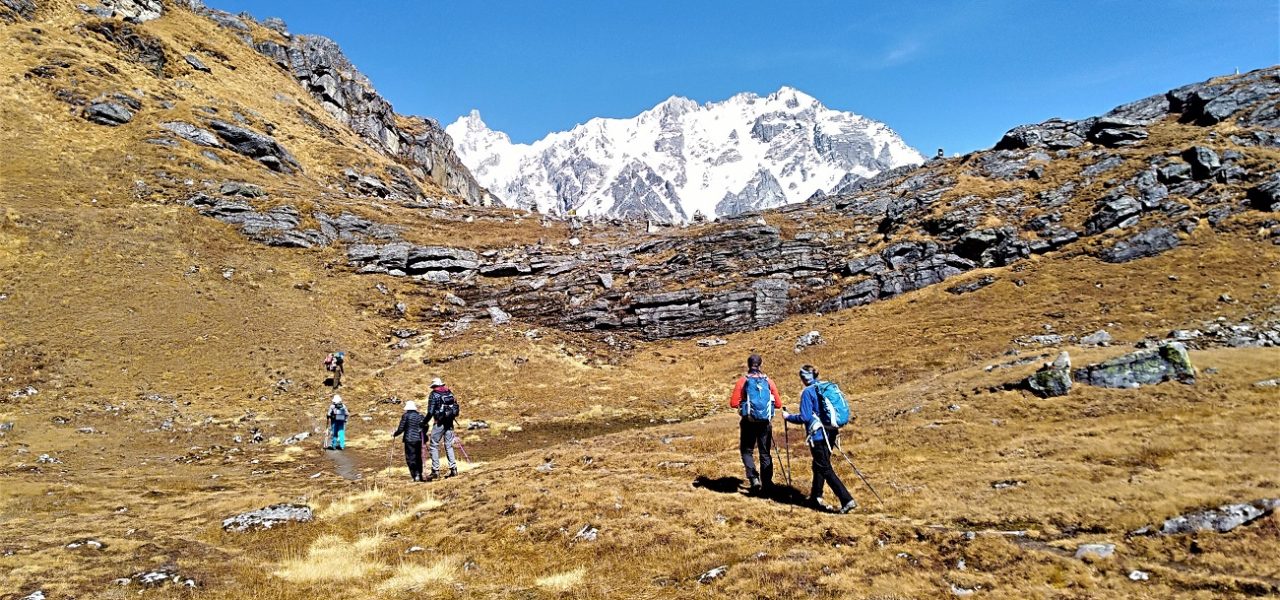
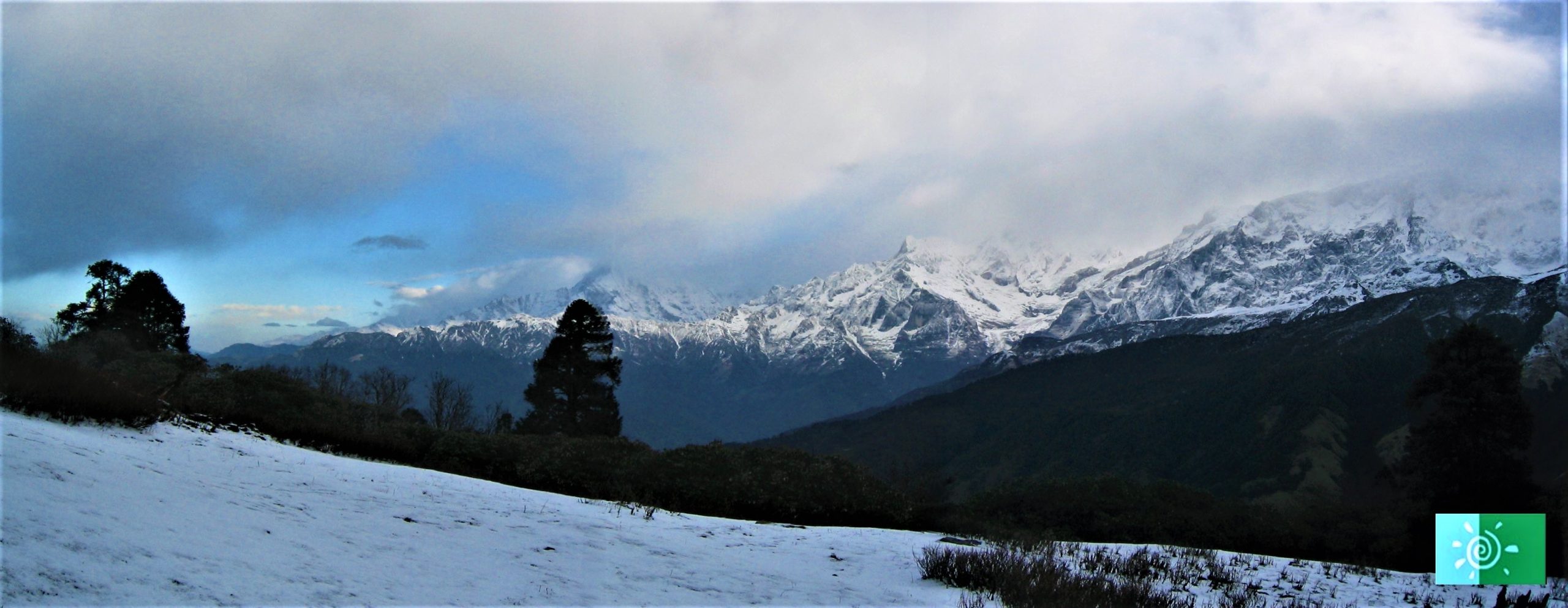
You will hike through lush forests, alpine meadows, and scenic ridgelines, experiencing Nepal’s untouched landscapes up close. This trek requires good physical fitness and a strong mindset for a safe and enjoyable journey.
Prepare for the Lamjung Himal Trek with basic training such as hiking, walking, or cardio workouts for two months before your adventure.
Mental readiness is equally crucial. Maintaining a positive attitude, patience, and flexibility will help you overcome challenges and fully enjoy every moment of the Lamjung Himal Trek.
How to Reach the Lamjung Himal Trek Starting Point
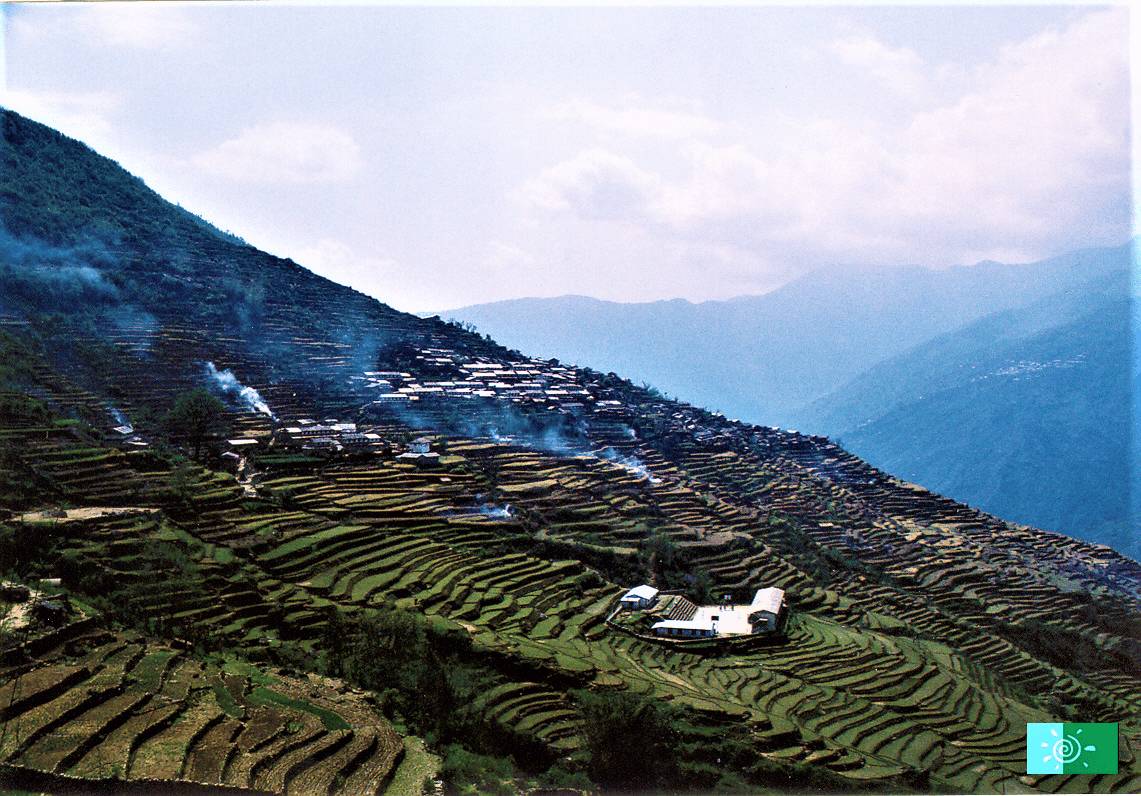
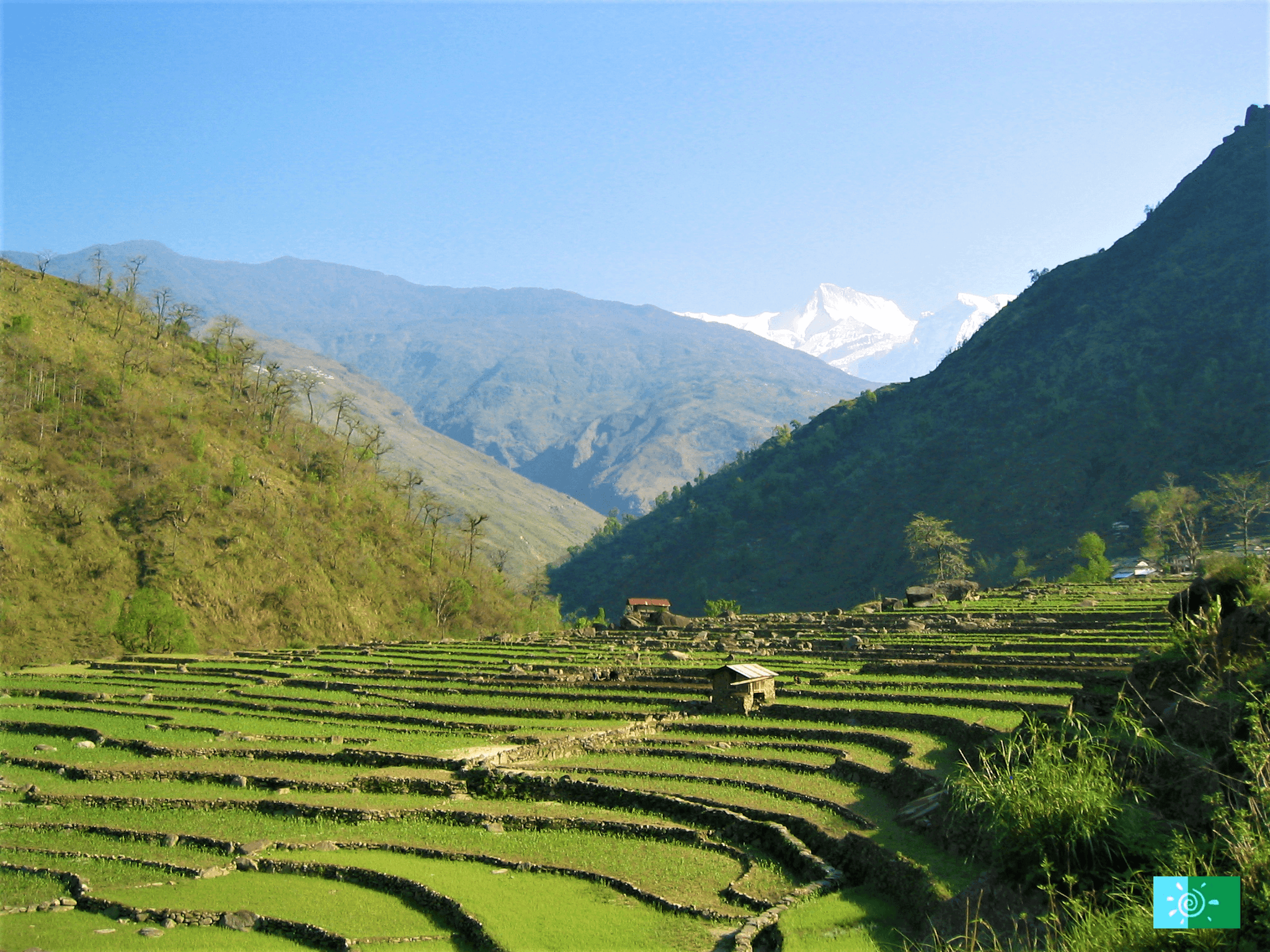
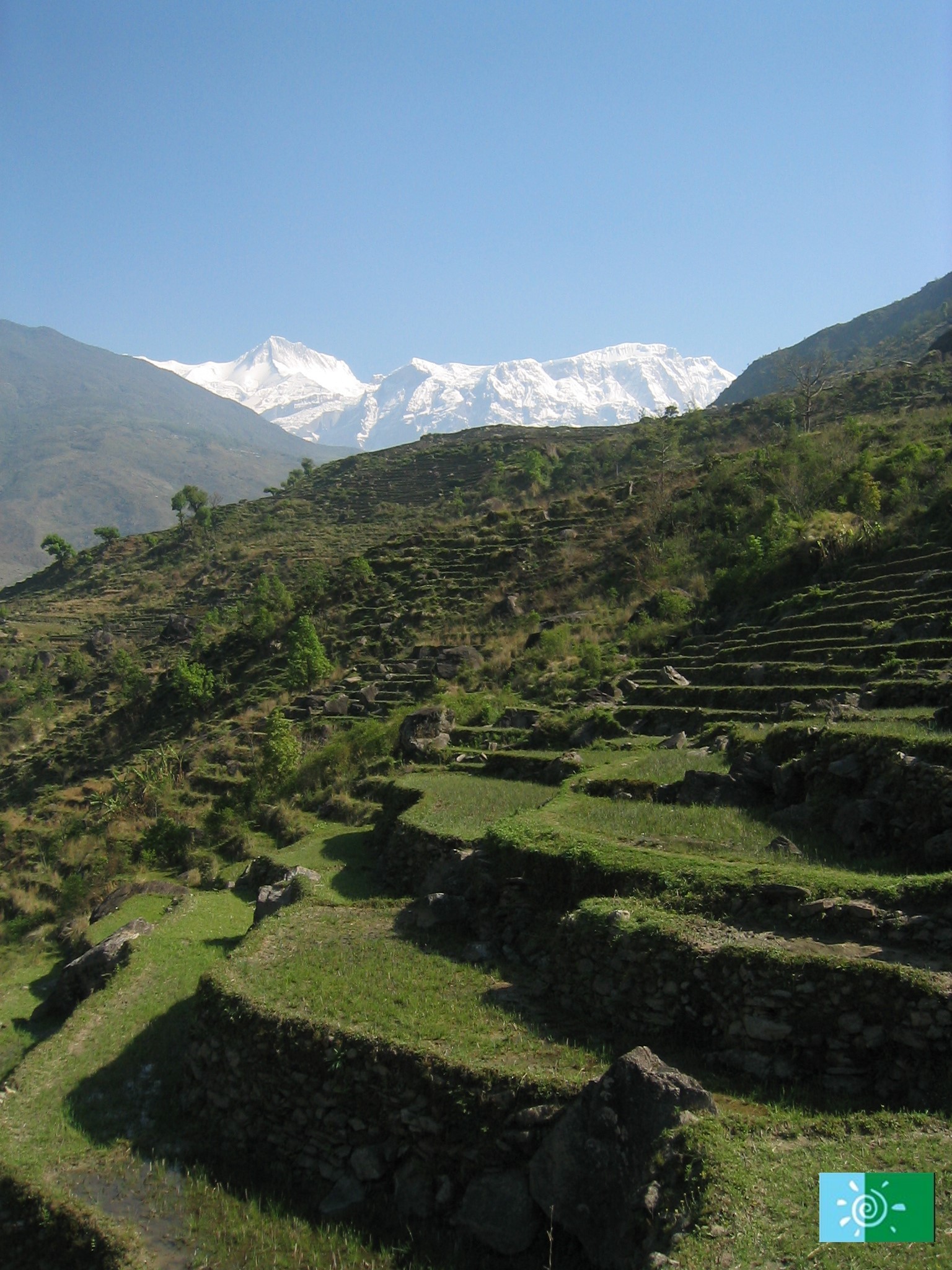
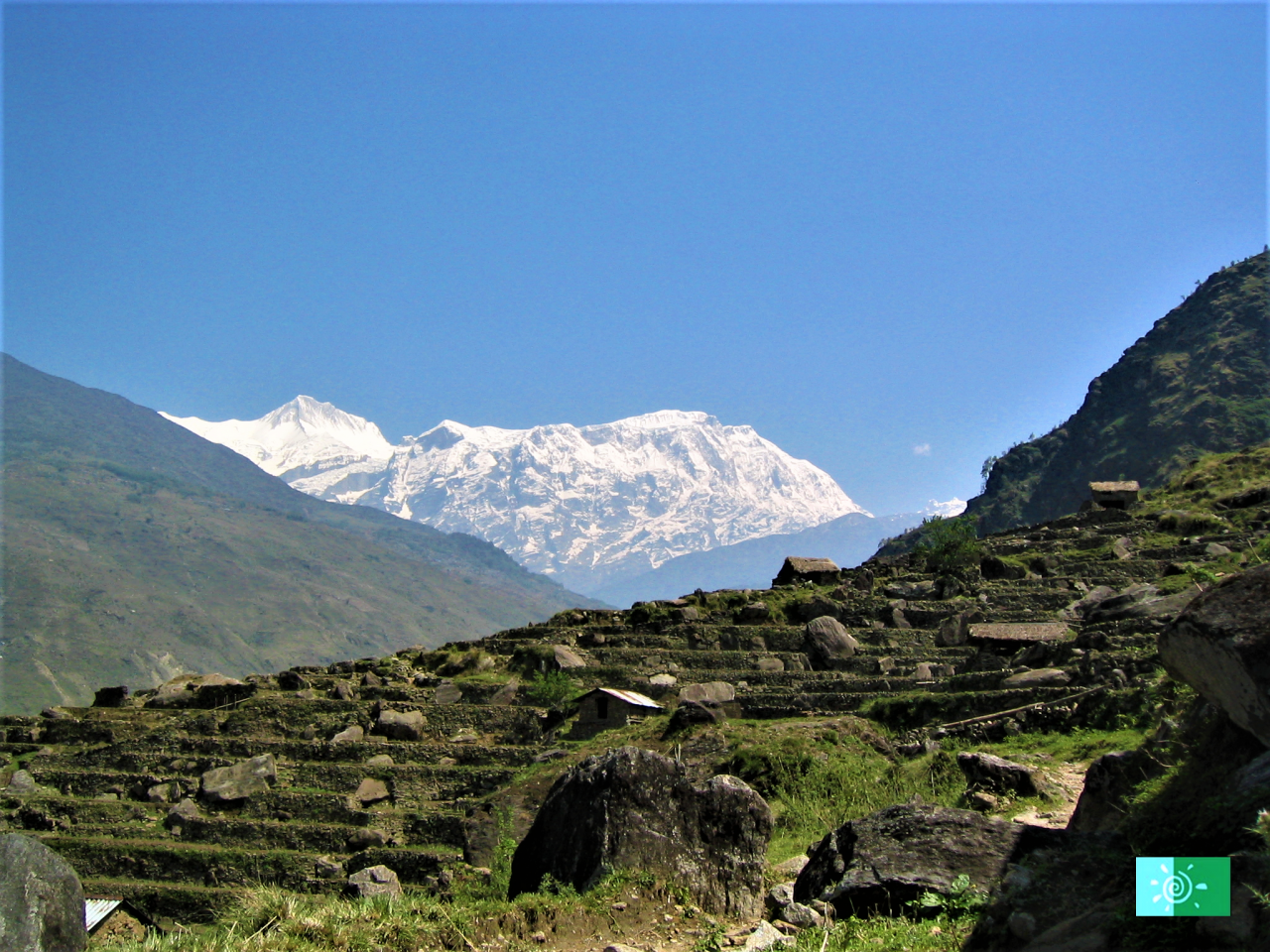
The Lamjung Himal Trek begins in the beautiful Lamjung district of Nepal, located northeast of Pokhara and within the Annapurna region. Most trekking itineraries start with a scenic drive from Kathmandu or Pokhara to the trek’s trailhead, passing through traditional villages, terraced farmlands, and lush river valleys.
From Kathmandu
Travelers can drive from Kathmandu to Besisahar, the district headquarters of Lamjung, which takes approximately 6 to 8 hours depending on road conditions and traffic. From Besisahar, a local jeep or private vehicle is typically arranged to reach the trek’s starting village.
From Pokhara
Pokhara is the most convenient gateway for the Lamjung Himal Trek. A drive of approximately 4 to 5 hours takes trekkers to the trailhead, offering beautiful views of the countryside and Himalayan foothills along the way.
Trek Starting Villages
Depending on the itinerary, the trek may begin from villages such as Tangting, Ghalegaun, or nearby settlements in the Lamjung region. These traditional Gurung villages provide an authentic cultural introduction before entering the remote mountain wilderness.
Most trekking agencies arrange all transportation, ensuring a smooth and hassle-free journey to the starting point of the trek.
Lamjung Himal Trek Cost
The cost of the Lamjung Himal Trek varies depending on group size, trek duration, level of service, and whether the trek is organized as a private or group departure. As the route is primarily a camping trek, additional logistics and support staff are required compared to standard teahouse treks.
On average, a fully organized Lamjung Himal Trek costs between USD 2,000 and USD 3,500 per person.
A typical trekking package includes:
- Airport transfers
- Ground transportation to and from the trek
- Licensed trekking guide
- Experienced camping crew
- Porters and support staff
- Camping equipment and tents
- All meals during the trek
- Accommodation before and after the trek
- Required permits
- Government taxes and service charges
Additional expenses may include travel insurance, personal trekking gear, snacks, beverages, tips for staff, and any extra hotel nights in Kathmandu or Pokhara.
Although the trek may cost more than traditional teahouse treks, the fully supported camping experience allows trekkers to explore one of Nepal’s most remote and untouched trekking regions.
Permits Required for Lamjung Himal Trek
Several permits are required for the Lamjung Himal Trek as the route passes through protected areas within the Annapurna region. Trekking with a registered trekking company helps simplify the permit application process.
Annapurna Conservation Area Permit (ACAP)
The Annapurna Conservation Area Permit is mandatory for all foreign trekkers entering the Annapurna Conservation Area. The permit fee contributes to environmental conservation, trail maintenance, and community development projects throughout the region.
TIMS Card (Trekkers’ Information Management System)
Depending on the latest trekking regulations, trekkers may also require a TIMS card. This system helps authorities monitor trekkers and improve safety within Nepal’s trekking regions.
Permit Arrangement
Most trekking operators arrange all necessary permits before the trek begins. Trekkers are generally required to provide passport copies and passport-sized photographs for permit processing.
It is recommended to confirm the latest permit requirements before departure, as government regulations and trekking policies may change periodically.
Safe Drinking Water While Trekking
Avoid single-use plastic bottles and refill from hotels that provide filtered water. On the trail, use water purification tablets like Aqua Tabs or Katadyn Micropur to kill bacteria, viruses, and protozoa. If the chlorine taste is strong, add flavored mixes or electrolytes.
Some teahouses offer boiled water, but quality can vary, so carry a purifier. These tablets are widely available in Nepal. On organized camping treks, the kitchen crew supplies treated boiled water morning and evening for safe hydration.
Electricity and Charging During Lamjung Himal Trek
Teahouses & Guesthouses:
-
Besisahar: Reliable electricity via hydropower or solar; lodges provide lighting and device charging.
-
Ghalegaun, Ghanpokhara, Sikles: Connected to the grid or local hydropower; lodges charge devices for NPR 100–500 ($1–$4 USD).
Camping & High-Altitude Camps:
Practical Tips:
-
Nepal uses Type C and D plugs; bring a universal adapter.
-
Power is generally reliable but solar panels can fail in cloudy weather.
-
Carry a high-capacity power bank and a headlamp with spare batteries.
-
Conserve battery life: lower screen brightness, turn off GPS/Wi-Fi, and limit screen use.
-
Protect devices from cold: wrap unused gadgets in your backpack or store phones/batteries inside your down jacket pocket to prevent fast drainage or damage.
Communication on the Lamjung Himal Trek
Mobile Coverage:
Mobile networks from Nepal Telecom (NTC) and Ncell work well in towns and villages like Besisahar, Ghalegaun, Ghanapokhara, and Sikles, with NTC usually stronger. Signals vanish in remote camps such as Rambrong Danda or Valley Camp due to valleys and high ridges.
Wi-Fi & Internet:
Hotels in Besisahar and Pokhara commonly offer Wi-Fi, while some homestays in Ghalegaun or Tangting have limited access. High-altitude camps have no internet, so trekkers stay offline for several days.
Emergency Communication:
Our trekking crew carries a Thuraya satellite phone for daily logistics, weather updates, and medical emergencies, ensuring safety in remote areas.




 Altitude:
5,240m/17,191ft.
Altitude:
5,240m/17,191ft.
 Difficulty:
Strenuous
Difficulty:
Strenuous