Trip Facts

icon-calendar
Trip Duration 10 Days
icon-meter
Trip Difficulty Moderate
icon-mountain
Maximum Altitude 3,333 m. / 10,935 ft.
icon-group
Average Group Size Min 2 pax

Trip Overview

The Mundhum Trail Trek: An Off-the-Beaten-Path Himalayan Adventure

The Mundhum Trail Trek in Eastern Nepal is a unique off-the-beaten-path trekking experience that blends Himalayan adventure, cultural exploration, and scenic ridge walks. This trail follows ancient routes used by the Kirat people, offering trekkers the chance to explore traditional villages, sacred sites, and centuries-old grazing lands.

The journey begins with a flight to Biratnagar and a scenic drive to Bhojpur (1,600 m), a town renowned for Newar craftsmanship and authentic khukuri knives. From there, the trek gradually ascends through lush forests and picturesque hilltop ridges.

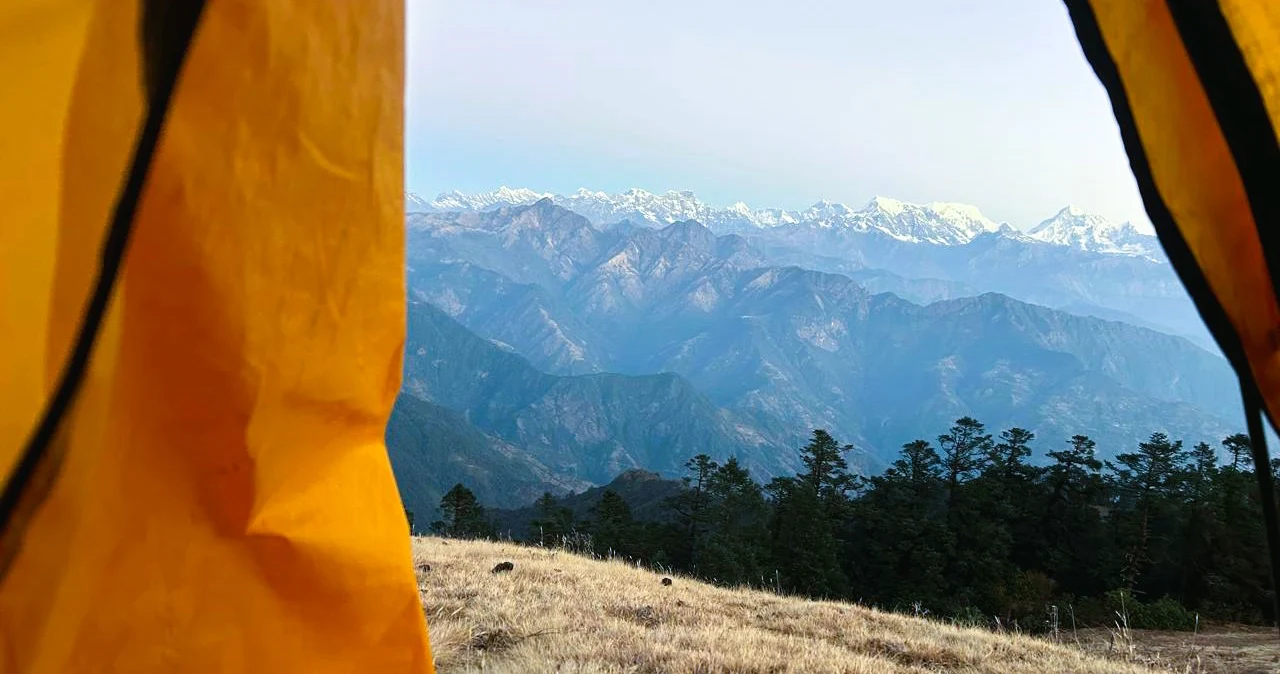
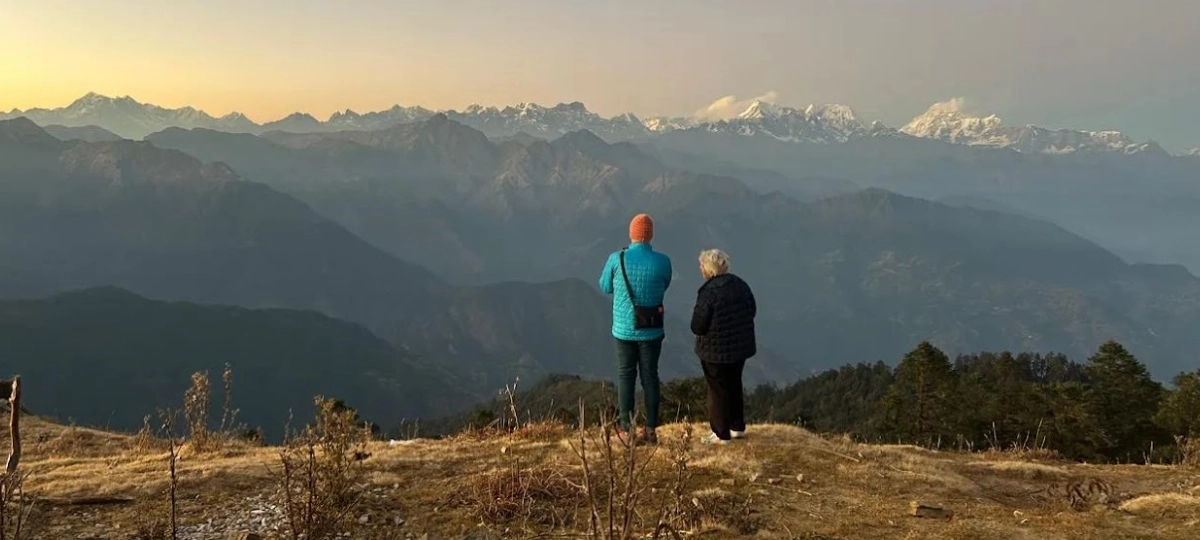
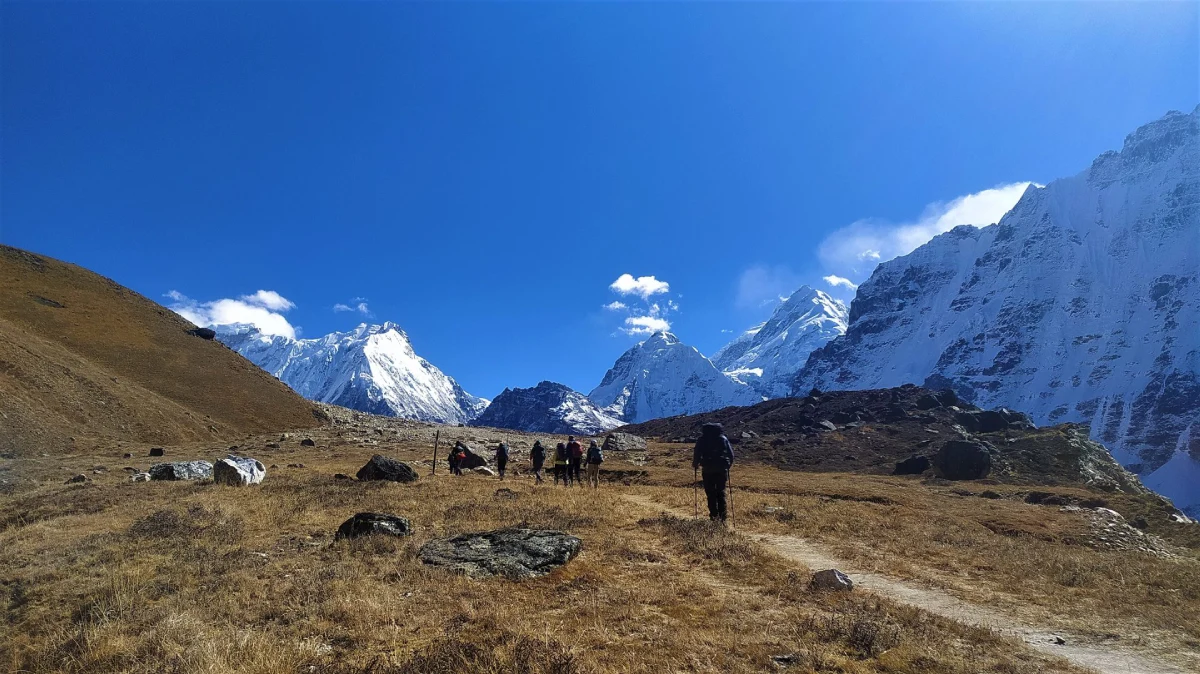
Starting from Baghkhor, trekkers hike and camp near Ekrate (2,800 m), a highland pasture offering panoramic Himalayan views. The trail continues to Maiyung Phedi (3,122 m) along wide grassy slopes and ridgelines, with spectacular views of the surrounding mountains. A highlight of the trek is the Maiyung Viewpoint (3,333 m), where trekkers can enjoy breathtaking vistas of 8,000-meter peaks, including Mount Everest, Kanchenjunga, Makalu, Lhotse, Cho Oyu, and more than 45 other majestic mountains.

As the trek descends toward Dotre (2,752 m), the route passes through rhododendron forests, open ridges, and riverside villages like Jaljale, before reaching Chakhewa Bhanjyang (2,300 m), another historic grazing area. The return journey continues with a drive through Bhojpur and Taksar to Dhankuta (1,420 m).

The trek concludes with a drive back to Biratnagar and a short flight to Kathmandu, giving trekkers time to relax, shop, or enjoy the city. The Mundhum Trail Trek offers a mix of camping and tea-house accommodations, gradual altitude gain, and an immersive combination of adventure trekking, local culture, and Himalayan scenery, making it an ideal choice for those seeking an authentic, off-the-beaten-path trekking experience in Nepal.

Why Choose Nepal Sanctuary Treks for Your Mundhum Trail Trek?

With Nepal Sanctuary Treks, you can fully customize your Mundhum Trail Trek. As a Travelife Certified company, we prioritize sustainable tourism and actively support local communities through eco-friendly practices and partnerships. We keep group sizes small to deliver personalized attention and service.

Unlike typical teahouse routes, the Mundhum Trail Trek follows a fully camping-based itinerary. You will stay at high-quality tented camps, locally called kharkas, nestled in remote alpine settings.

Every day, our skilled expedition cooks prepare fresh organic meals using locally sourced ingredients. Meals are served warm in a cozy dining tent, adding comfort to your wilderness adventure.

Read our Reviews | Contact Us for Custom Treks

Customizable Mundhum Trail Trek Itinerary

Discover the stunning Mundhum Trail Trek in Nepal’s eastern region. Contact our expert to create a fully customized Mundhum Trail Trek itinerary.

This is a sample itinerary for the Mundhum Trail Trek and can be tailored to your preferences, fitness level, and travel style. We design each trek to ensure an unforgettable Himalayan adventure.

Note: Below Mundhum Trail Trek’s hours, altitudes and distances are approximate, and absolutely for the general idea only.
Trip Itinerary

Day 01: Arrive at Kathmandu Airport

Altitude above sea level: 1,302 m / 4,269 ft.
Driving Time: Approximately 30 minutes (depending on traffic)
Accommodation: Hotel Tibet or similar

Upon arrival at Tribhuvan International Airport in Kathmandu, you will be warmly welcomed by our representative holding a “Nepal Sanctuary Treks” placard.

You will then be transferred to your hotel in a private vehicle. After checking in and freshening up, our representative will meet you to provide a detailed briefing on your upcoming itinerary, along with important safety guidelines and hygiene practices to ensure a smooth and enjoyable trek.

Day 02: Cultural Introductory Tour and Trek Preparation

Altitude above sea level: 1,302 m / 4,269 ft.
Accommodation: Hotel Tibet or similar
Meals Included: Breakfast

9:00 AM – Guided Cultural Tour of Kathmandu Valley
Start your day with a guided cultural tour of Kathmandu Valley, exploring the city with expert guides who will share insights into its rich history and heritage.

Kathmandu Durbar Square
Visit Kathmandu Durbar Square (Hanuman Dhoka Durbar), a royal historical complex filled with temples, palaces, and shrines dating back to the 15th century. Highlights include Kumari Ghar, the residence of the living goddess, and Kasthamandap, an architectural marvel constructed from a single tree.

Swayambhunath (Monkey Temple)
Next, head to Swayambhunath, also known as the Monkey Temple, a sacred site for both Hinduism and Buddhism. Admire the striking white dome and golden spire while soaking in the serene atmosphere of incense, prayer wheels, and panoramic city views.

Boudhanath Stupa
In the afternoon, visit the massive Boudhanath Stupa, a UNESCO World Heritage Site and spiritual center of Tibetan culture. Witness colorful prayer flags fluttering in the wind, monks performing rituals, and devotees chanting “Om Mani Padme Hum.”

Pashupatinath Temple
Conclude your tour at Pashupatinath Temple, one of Hinduism’s most sacred sites, situated along the Bagmati River. Here, observe profound spiritual rituals, including the moving sight of open-air cremations, which hold deep cultural and religious significance.

After this immersive experience, you will return to your hotel.

Day 03: Flight to Biratnagar- Drive to Bhojpur

Altitude above sea level: 1,600 m. / 5,249 ft. – Bhojpur
Flight duration: 40 minutes approx.
Driving duration: 6 hrs. approx.
Accommodation: Bal Guest House
Meals Included: Breakfast, Lunch and Dinner
After breakfast, our representative will transfer you to Kathmandu Airport for your flight to Biratnagar. From there, you will drive to Bhojpur, stopping for lunch in Hile along the way. Bhojpur Bazaar is home to many Newar businessmen and skilled craftsmen renowned for their metalwork, especially the traditional khukuri knives. You will have time to explore this fascinating town.

Day 04: Drive to Baghkhor- Trek camping near Ekrate

Altitude above sea level: 2,430 m/7,972 ft.-Suntale Baghkhor
Driving duration: 1 hour approx.
Hiking duration: 5–6 hrs. approx.
Ascent: 370 m/1,214 ft.
Accommodation: Camping
Meals Included: Breakfast, Lunch and Dinner

After breakfast, we’ll drive to Baghkhor, where we’ll meet our camping crew and begin our hike. The trail varies from steep to gently uphill, with well-maintained stone steps in many of the steeper sections. Along the way, you’ll find rest areas with wooden benches, stone tables, and water flowing from stone spouts.

As we climb, more beautiful views open up. We’ll stop for lunch at Pakhua Bhanjyang, then make a short descent followed by a climb up the hill until we reach our camp shortly before Ekrate for the overnight stay. Ekrate (2,800 m./9,186 ft.) is a major pasturing area, with sheds where shepherds live during the summer while collecting milk for butter and yogurt.

Day 05: Trek to Maiyung Phedi

Altitude above sea level: 3,122 m/10,243 ft. – Maiyung Phedi 
Hiking duration: 5–6 hours approx.

Ascent: 322 m/1,057 ft.
Accommodation: Camping
Meals Included: Breakfast, Lunch and Dinner
After breakfast, we’ll start climbing toward Hanspokhara. We will have lunch along the way. Once we reach the ridge, we begin to see views of the mountain. We’ll continue walking up wide grassy slopes and try to camp at a midpoint on Maiyung Hill to be well positioned for an early morning walk to the top for panoramic Himalayan views. There are alternative options depending on the needs of the group.

Day 06: Trek to Dotre

Altitude above sea level: (3,333 m. / 10,935 ft.) -Maiyung viewpoint;  (2,752 m / 9,029 ft.)- Dotre
Hiking duration: 5–6 hrs. approx.

Ascent: 211 m/692 ft.

Descent:  581 m/1,906 ft.
Accommodation: Camping
Meals Included: Breakfast, Lunch and Dinner

If the weather is favorable, the day begins with an early cup of tea in bed, followed by a hike to Maiyung Hill Viewpoint to witness the sunrise over the Himalayas. From the summit, you’ll be treated to breathtaking views of peaks towering over 8,000 meters, including Everest, Kanchenjunga, Makalu, Lhotse, Cho Oyu, and more than 45 other mountains.

After breakfast, we start descending and continue our trek toward Dotre along a picturesque ridgeline. The path winds through vibrant rhododendron forests and open ridge tops. We pause for lunch by the riverside in the village of Jaljale. Upon reaching Dotre, we set up camp just above the village, providing a serene spot to rest for the night.

Day 07: Trek to Near Chakhewa Bhanjyang

Altitude above sea level: 2,300 m/7,545 ft.-Chakhewa Bhanjyang
Hiking duration: 5-6 hrs. approx.

Descent: 452 me/1,484 ft.
Accommodation: Camping
Meals Included: Breakfast, Lunch and Dinner
After breakfast, we leave Dotre and head toward Chakhewa Bhanjyang. The trail stays mostly level and descends gently along ridges that offer stunning views of the mountains in the Khotang district. These highlands have served as traditional grazing areas for local livestock for centuries. We set up camp near Chakhewa Bhanjyang (pass), giving us easy access to the road the next morning for our journey back to Dhankuta via Bhojpur.

Day 08: Drive to Hile/Dhankuta via Bhojpur

Altitude above sea level: 1,420 m/4,659 ft.-Dhankuta
Driving duration: 5-6 hours approx.
Accommodation: Hotel Murchunga, Dhankuta
Meals Included: Breakfast, Lunch and Dinner
After breakfast, we drive through Bhojpur and stop in Taksar for lunch. Taksar is a beautiful, historic town, partially abandoned, that once served as the center of the brass-making industry and where doli money was printed in ancient times. We spend the night in Dhankuta.

Day 09: Drive to Biratnagar- Flight back to Kathmandu

Altitude above sea level: 1,302 m./4,271 ft.
Driving duration: 3 hrs. approx. (Dhankuta to Biratnagar)
Flight duration: 40 minutes approx. (BRT-KTM)
Accommodation: Hotel Tibet or similar
Meals included: Breakfast
After an early breakfast, we drive to Biratnagar airport for our flight back to Kathmandu. Upon arrival, we check in to the hotel and enjoy some free time to relax. You can shop for souvenirs or unwind after your unforgettable adventure.


Day 10: Final Departure

Meals included: Breakfast

As your unforgettable journey comes to an end, it’s time to fly back home, cherishing all the incredible memories of Nepal. A representative from Nepal Sanctuary Treks will transfer you to Tribhuvan International Airport (TIA). Please make sure to check in 3 hours prior to your scheduled flight for a smooth departure.

Trip Important Notes

Mundhum Trail Trek Packing List

Footwear:

  • Walking boots. A pair of water-repellent boots with ankle support.
  • Walking socks.
  • Trainers or trail shoes. Can be used in and around the lodge in the afternoons/evenings.

Clothing:

  • Waterproof jacket and trousers (Gore-Tex or similar).
  • Trekking trousers.
  • Long sleeve shirts (not cotton).
  • Mid to heavyweight fleece.
  • Sleeveless or body warmer type fleece.
  • Thermals or base layer for top & bottom (merino wool or synthetic).
  • Fleece pants.
  • Medium weight down jacket (e.g.: Nuptse jacket by The North Face).

Hand wear:

  • Fleece gloves.
  • Warms mittens and/or gloves.

Headwear:

  • Wool or fleece hat.
  • Sun hat.
  • Bandana or scarf.
  • Head torch. Bring extra batteries.
  • Sunglasses.

Personal Equipment:

  • Day pack (you’ll need during the day, such as warm clothes, a jacket, a camera, water bottles, snacks, and a personal first aid kit. Keep your daypack under 5 kg. A porter will transport the rest of your personal gear in a duffel or kit bag, which should not exceed 15 kg per trekker. Clearly mark your bag to help identify it easily.)
  • Stuff sacks for keeping your gear dry and organized.
  • Water bottles (Nalgene wide-mouth bottles are the best).
  • Sunscreen and lip salve with a high SPF.
  • Water purification tablets (Aqua Tab, Chlorine dioxide).
  • Favourite snack food.
  • Trekking poles (optional).
  • Camera with spare batteries and memory cards.
  • Insurance certificate.
  • Flash Light
  • Earplugs (optional).
  • Hand sanitizer 
  • Face Mask
  • Spare cash for extra expenses like hot shower, boiled water, gadget charging during trek

Traveling:

  • Bring a small combination padlock to secure the bag.
  • Travel clothes. You will need casual clothing for air travel days and time spent in Kathmandu.
  • Toiletry bags include toilet paper, soap, towel, toothbrush, etc.
  • Quick dry towel

Personal first aid kit: Note: Nepal Sanctuary Treks provides a comprehensive group first aid kit, but please bring personal medications and other items you might use regularly.

Mundum Trail Trek Temperature

Location / Day Altitude (m) Spring (Mar–May) Autumn (Sep–Nov)
Day/Night Avg (°C) Day/Night Avg (°C)
Bhojpur  1,600 m 18°C–26°C / 8°C–16°C 18°C–24°C / 8°C–14°C
Ekrate area  2,800 m 14°C–20°C / 4°C–10°C 14°C–19°C / 4°C–9°C
Maiyung Phedi 3,122 m 12°C–18°C / 2°C–8°C 12°C–18°C / 2°C–7°C
Maiyung Viewpoint  3,333 m 10°C–16°C / 1°C–7°C 10°C–16°C / 1°C–6°C
Dotre  2,752 m 14°C–20°C / 4°C–10°C 14°C–19°C / 4°C–9°C
Chakhewa Bhanjyang  2,300 m 15°C–22°C / 6°C–12°C 15°C–21°C / 6°C–11°C
Dhankuta  1,420 m 20°C–28°C / 10°C–18°C 18°C–25°C / 8°C–15°C

Nighttime Cold: Nights will be chilly in both seasons, especially when camping at the higher elevations around Ekrate and Maiyung. A quality sleeping bag is essential for comfort.

Typical Day on a Camping Trek in Nepal

On a camping trek, we provide all essential expedition facilities, including personal tents, a mess tent, a kitchen tent, and toilet tents. The trekking crew handles full camp setup and dismantling each day, while a trained cook and kitchen staff prepare all meals.

The day begins with wake-up tea served inside your tent, followed by warm water for washing. Breakfast is served between 7:30 and 8:00 am. Before breakfast, you should place your packed main duffel bag outside your tent so the porters can organize the load efficiently while you eat.

After breakfast, the trek begins. You typically walk for 3 to 4 hours in the morning, enjoying scenic Himalayan trails and gradual elevation gain. Lunch is served around 12:30 to 1:00 pm. Depending on the location, the team either prepares a fresh hot meal or provides a packed lunch. After a short break, you continue trekking for another 3 to 4 hours, although some days may involve longer hiking distances depending on the route and terrain.

By mid-afternoon, you arrive at the campsite. The crew already sets up your tent, and you are welcomed with tea or coffee and light snacks such as biscuits. This is your time to relax and recover after a long trekking day.

Dinner is served in the mess tent between 6:00 and 6:30 pm. The meal usually starts with a warm soup, followed by a main course prepared to provide energy and recovery support for high-altitude trekking. After dinner, the guide briefs the group about the next day’s itinerary, trail conditions, and elevation gain.

Some trekkers spend time socializing or playing cards in the mess tent, while most prefer to rest early in their tents. On days involving high passes or summit climbs, the team starts earlier in the morning but follows the same structured routine throughout the trek.

Meals on Mundhum Trail Trek

On the Mundhum Trail Camping trek, we serve fresh, nutritious, and high-energy meals designed to support long trekking days at high altitude. All meals are prepared by an experienced expedition cooking team in a fully equipped kitchen tent.

Breakfast includes a balanced selection of porridge or cereal, toast or chapatis, eggs, and hot drinks such as tea or coffee. This provides the energy needed for a strong start to the trekking day in the Himalayas.

The kitchen crew prepares lunch in advance and serves it shortly after the group reaches a suitable resting point along the trail. Since the cook and kitchen staff move ahead early in the morning, they ensure hot, freshly prepared meals are ready on arrival. After lunch, trekkers take a short rest before continuing the afternoon hike.

Upon arrival at the campsite, the team serves hot drinks and biscuits to help trekkers relax and recover after the day’s walk.

Dinner is served in the mess tent between 6:00 and 6:30 pm. The meal begins with a warm soup, followed by a hearty main course designed to replenish energy after a full day of trekking in remote terrain.

We also accommodate a wide range of dietary requirements, including vegetarian and special meal requests, which are confirmed during the booking process to ensure a safe and comfortable trekking experience.

Electricity on the Mundhum Trail Trek

Electricity on the Mundhum Trail Trek in Nepal is limited and varies depending on location and accommodation. In lower towns such as Bhojpur and Dhankuta, guesthouses and hotels usually provide reliable electricity, and you can often charge devices directly in your room.

However, in remote and high-altitude sections like Ekrate, Maiyung Phedi, and Rawadhap, electricity is not available. In these areas, trekkers must rely on their own power sources throughout the journey.

We strongly recommend carrying a high-capacity power bank, spare batteries, and a reliable headlamp to ensure uninterrupted power for essential devices during this remote Mundhum Trail trekking experience in Nepal.

Communication on the Mundhum Trail Trek

Communication on the Mundhum Trail Trek in Nepal is limited due to its remote and newly developed trekking route. Nepal Telecom (NTC/Namaste) offers the most reliable mobile coverage, with better signals in towns such as Bhojpur and Diktel, although connectivity can still be weak or inconsistent in higher or remote sections.

Ncell network may work in larger settlements but often loses signal in isolated valleys and ridgelines along the trail. Wi-Fi is available in some guesthouses, particularly in Bhojpur, but it is generally slow and suitable only for basic use.

Overall, trekkers should expect limited mobile data and occasional connectivity throughout the Mundhum Trail trekking route in Nepal, especially in remote mountain areas.

Mundhum Trail Trek Difficulty and Physical Fitness

The Mundhum Trail Trek in Nepal is rated moderate, making it suitable for beginners and trekkers looking for a shorter, less technical high-altitude experience. The route reaches a maximum elevation of around 3,333 meters at Maiyung Viewpoint, with daily hikes of approximately 5–6 hours over stone steps, forest trails, and grassy ridges.

The trek includes about four nights of camping, which adds mild challenges such as cold temperatures and basic facilities in remote areas. Trekkers should have good fitness, leg strength, core stability, and well-broken-in trekking boots to handle the terrain comfortably.

Mental preparation is also important for a successful Mundhum Trail trekking experience. Trekkers should listen to their body, take regular rest breaks, and stay motivated with small daily goals. Dressing in layers helps adjust to changing mountain weather conditions, while setting realistic expectations for basic accommodation and meals improves overall comfort.

Practices like yoga, stretching, or meditation can help reduce fatigue and improve focus during the trek. Maintaining proper rest, hydration, and a balanced diet ensures steady energy levels throughout the journey.

With the right combination of physical preparation and mental readiness, the Mundhum Trail Trek offers a safe, enjoyable, and rewarding Himalayan trekking experience in eastern Nepal.

ATM on the Mundhum Trail Trek

ATMs are very limited on the Mundhum Trail Trek, and most remote villages along the route do not have banking or card facilities. You should withdraw all necessary cash in advance from major towns such as Kathmandu, Bhojpur, or Dhankuta, where ATMs are available before starting the trek.

Once on the trail, you will not find ATMs in high-altitude or remote villages such as Ekrate, Maiyung, Dotre, and Chakhewa. These areas operate on a fully cash-based system, so carrying sufficient funds is essential.

We recommend bringing Nepali rupees in small denominations (100–500 NPR) to cover basic expenses such as tea house items, charging fees, snacks, and bottled drinks during your Mundhum Trail trekking experience in Nepal.

Reviews

Barabara Butterworth, U.S.A. 

Sanctuary arranged a custom trip that included trekking a section of the Mundum Trail as well as a birding expedition, stays in Patan and much more. Our guide Kadka...

Barbara Butterworth, U.S.A.

Faqs

Are there any specific dietary requirements for the meals provided during the trek?

Dietary requirements should be noted on the pre-trip form from Nepal Sanctuary Treks. Based on your information, we will tailor meals during the trek to accommodate any allergies or preferences.

Are there any health risks or altitude sickness concerns on the trek?

Altitude sickness can be a serious risk for trekkers at high elevations, so it’s important to acclimatize properly. Start slowly to give your body time to adjust, and stay hydrated, as dehydration can worsen symptoms. Watch for signs of altitude sickness, like headaches, nausea, and dizziness. Consulting a healthcare professional before your Nepal trek can provide helpful advice for a safer experience. The team at Nepal Sanctuary Treks carries a portable altitude chamber (PAC), an oximeter, and the Lake Louise form during the trek. They monitor each traveler’s condition and track their progress. Additionally, the expert team at Nepal Sanctuary Treks carefully designs itineraries that include acclimatization days, allowing trekkers to gradually adjust to the changing altitude. These carefully planned rest days are strategically placed throughout the trek to help minimize the risk of altitude sickness. . Read more on Altitude Sickness

Can I rent or buy trekking equipment in Nepal?

Yes, you can rent or purchase trekking gear in Kathmandu or Pokhara, including items like sleeping bags, down jackets, and trekking poles. Make sure to check the quality and condition of rented equipment. For instance, sleeping bags are available for rent at rates ranging from USD 1 to USD 1.50 per day. For more information, please contact [email protected].

Do hotels and lodges provide safe drinking water?

Most trekking lodges offer filtered or bottled water, but using a reusable bottle helps reduce plastic waste. Always treat water on the trail with tablets like Aqua Tabs, Katadyn Micropur, or Chlorine Dioxide. Some teahouses provide boiled water, but tablets are safest. Mix with drink powders if the taste is strong.

Do I have a porter for the trek?

Porter for the trek services are included to make your journey easier and more comfortable. Keep your daypack under 5 kg with essentials like warm clothes, water, snacks, and a first-aid kit. Porters carry up to 15 kg in a labeled duffel bag.

Contact us for more information.

How can travelers acquire SIM cards in Nepal for their mobile phones upon arrival at Kathmandu International Airport?

Both Ncell and NTC telecom companies provide free prepaid SIM cards to international travelers upon arrival at the airport. You can obtain them with a copy of your passport and a passport-sized photo.

Why should I trek with Nepal Sanctuary Treks (NST)?

For over two decades, Nepal Sanctuary Treks has been crafting sustainable and bespoke trekking adventures in Nepal. Our deep knowledge of the region allows us to meticulously tailor itineraries to guest’s specific desires, ensuring a transformative journey. Committed to sustainability, our efforts are recognized by the prestigious Travelife Certified Award. Nepal Sanctuary Treks actively empowers local communities by supporting female-owned businesses and promoting girls’ education. Learn more


Do I need travel insurance covered while trekking/traveling in Nepal?

Travel insurance is compulsory for all our travelers and should be taken out at the time of booking.  We recommend that you take out insurance as soon as your booking is confirmed. The insurance must comprise medical coverage, helicopter rescue, and ambulance services.  Read more about Travel Insurance

Ask Our Travel Expert

Affiliations & Recommendations

Mundhum Trail Trek