Nar Phu Valley Trek Difficulty
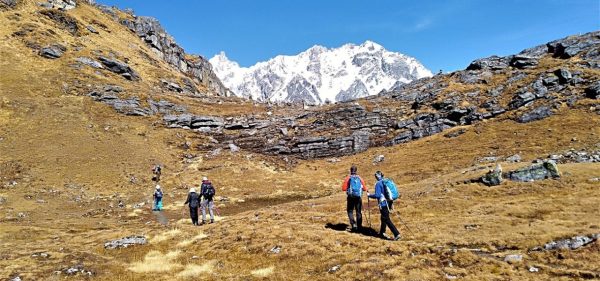
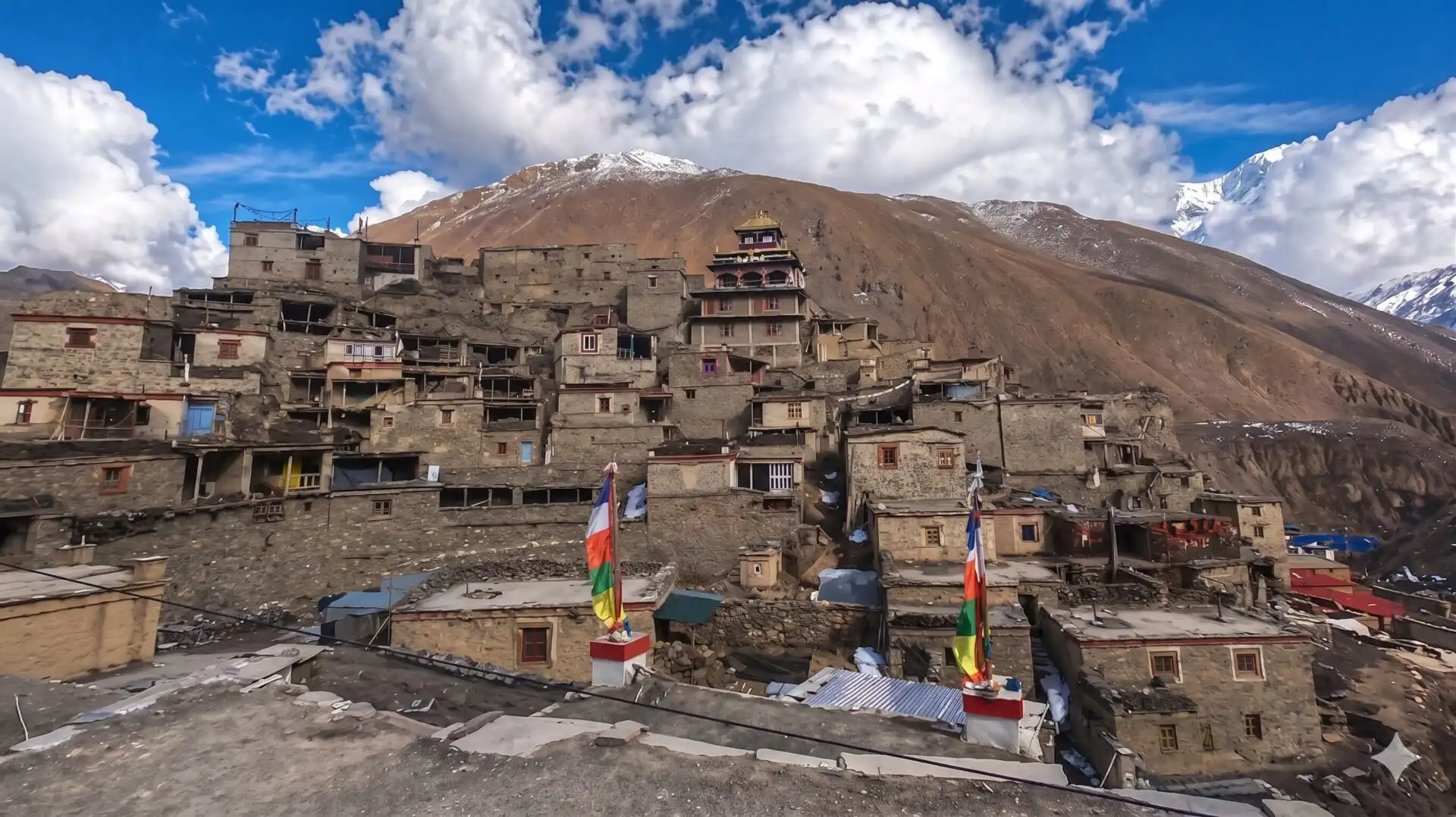
The Nar Phu Valley Trek is considered a moderately challenging to difficult trek in Nepal due to its remote terrain, high-altitude passes, and limited infrastructure. The trek reaches its highest point at Kang La Pass (5,306 meters), where trekkers may experience altitude-related challenges if proper acclimatization is not followed. Unlike popular trekking routes such as the Annapurna Base Camp Trek, the Nar Phu Valley route traverses isolated villages, rugged mountain trails, and less-developed paths that require good physical fitness and endurance.
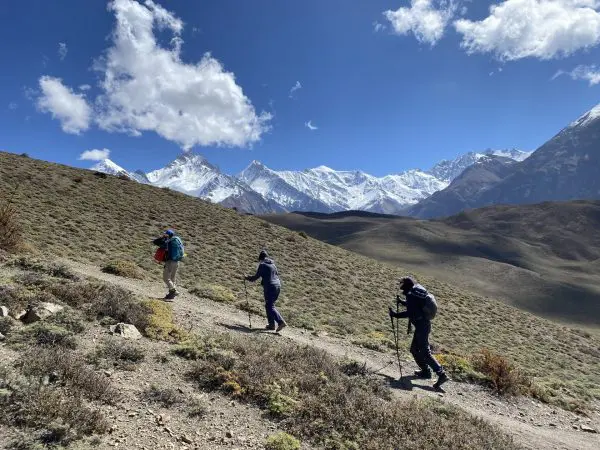
Previous trekking experience is beneficial but not mandatory for well-prepared hikers. Trekkers should be comfortable walking 6–8 hours per day over varied terrain, including steep ascents and descents. Proper acclimatization, a gradual pace, and guidance from experienced trekking guides significantly enhance safety and enjoyment. With adequate preparation, the Nar Phu Valley Trek is a rewarding adventure that offers a unique blend of Himalayan scenery, Tibetan-influenced culture, and remote wilderness experiences.
Best Time for Nar Phu Valley Trek
The best time for the Nar Phu Valley Trek is during the spring (March to May) and autumn (September to November) seasons. These months offer stable weather conditions, clear mountain views, and comfortable trekking temperatures, making them ideal for exploring the remote valleys of Nar and Phu.
Spring brings blooming rhododendron forests, pleasant temperatures, and excellent visibility of the Annapurna and Manaslu mountain ranges. Autumn is equally popular due to its dry weather, crystal-clear skies, and vibrant landscapes following the monsoon season.
Winter trekking from December to February is possible but can be challenging due to snowfall and freezing temperatures, especially around Kang La Pass. The monsoon season from June to August is generally less crowded, but heavy rainfall can create slippery trails and increase the risk of landslides in lower sections of the trek. Since Nar Phu Valley lies within a rain-shadow region, it receives less rainfall than many other trekking areas in Nepal, making it a viable option even during the monsoon months for experienced trekkers.
Nar Phu Valley Trek Cost Breakdown
The cost of the Nar Phu Valley Trek varies depending on group size, itinerary length, accommodation preferences, and included services. On average, trekkers can expect to spend between USD 1,800 and USD 3,000 per person for a fully organized trek.
A typical cost breakdown includes:
- Restricted Area Permit (Nar Phu Valley): USD 100–150 depending on season and duration
- Annapurna Conservation Area Permit (ACAP): Approximately USD 30
- Licensed trekking guide: USD 30–40 per day
- Porter services: USD 20–30 per day
- Accommodation in teahouses and lodges
- Meals during the trek
- Ground transportation and domestic flights (if included)
- Trekking equipment rental (optional)
- Travel insurance and personal expenses
Private treks generally cost more but offer greater flexibility and personalized services. Group departures can help reduce overall expenses while maintaining a quality trekking experience. Travelers should also budget for tips, snacks, beverages, charging devices, and hot showers along the route.
Required Permits for Nar Phu Trek
The Nar Phu Valley Trek is classified as a restricted area trek by the Government of Nepal, requiring special permits for foreign trekkers. Independent trekking is not permitted, and trekkers must travel through a registered trekking agency accompanied by a licensed guide.
The required permits for the Nar Phu Valley Trek include:
Nar Phu Restricted Area Permit (RAP)
This permit is mandatory for entering the restricted Nar and Phu valleys. Permit fees vary by season:
- September to November: USD 100 per person for the first seven days
- December to August: USD 75 per person for the first seven days
- Additional days incur extra charges
Annapurna Conservation Area Permit (ACAP)
Since the trek passes through the Annapurna Conservation Area, trekkers must obtain an ACAP permit.
TIMS Card
In many cases, the TIMS requirement depends on current government regulations and trekking arrangements. Travelers should confirm the latest permit requirements through their trekking agency before departure.
All permits are typically arranged by the trekking company, simplifying the process for visitors.
Packing List for Nar Phu Valley Trek
Packing appropriately is essential for a safe and comfortable trekking experience in the remote Nar Phu Valley. Weather conditions can vary significantly depending on altitude and season, so layering clothing is highly recommended.
Clothing
- Moisture-wicking base layers
- Insulating fleece or down jacket
- Waterproof and windproof jacket
- Trekking pants
- Thermal underwear
- Warm hat and sun hat
- Gloves
- Hiking socks
- Comfortable trekking boots
Trekking Equipment
- Backpack (30–40 liters)
- Duffel bag (if using a porter)
- Trekking poles
- Sleeping bag rated for cold temperatures
- Headlamp with extra batteries
- Water bottles or hydration system
Personal Essentials
- Sunglasses with UV protection
- Sunscreen and lip balm
- Personal toiletries
- Quick-dry towel
- Power bank
- Camera or smartphone
Health and Safety Items
- Basic first-aid kit
- Personal medications
- Water purification tablets or filter
- Altitude sickness medication (consult your doctor)
- Hand sanitizer and wet wipes
Proper preparation and packing help ensure a comfortable journey through one of Nepal’s most remote and culturally fascinating trekking destinations.




 Altitude:
3,710 m/12,171ft.
Altitude:
3,710 m/12,171ft.
 Difficulty:
Moderate
Difficulty:
Moderate