Physical Fitness required for Lower Mustang Loop Trek
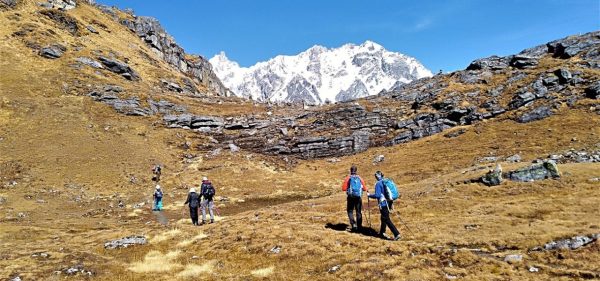
The Lower Mustang Loop Trek is moderately challenging but accessible. No prior high-altitude trekking experience is required to complete the Lower Mustang Loop Trek. Trekkers typically walk 4 to 5 hours daily on varied terrain with some uphill and downhill sections.
Because the Lower Mustang Loop Trek stays under 4,000 meters, the risk of altitude sickness is low. However, preparing physically by walking regularly, doing light cardio, or hiking beforehand will help you enjoy the Lower Mustang Loop Trek to its fullest. Our team at Nepal Sanctuary Treks carries a comprehensive first aid kit, monitors oxygen levels daily with a pulse oximeter, and uses the Lake Louise questionnaire to track altitude sickness symptoms throughout the trek.
Best Time to Trek the Lower Mustang Loop
The best seasons to experience the Lower Mustang Loop Trek are spring (March to May) and autumn (September to November). Spring brings blooming rhododendrons, mild temperatures, and clear skies, while autumn offers crisp mountain views, pleasant weather, and vibrant local festivals along the Lower Mustang Loop Trek.
Additionally, Mustang’s location in the Himalayan rain shadow allows trekkers to enjoy the Lower Mustang Loop Trek even during the monsoon season (June to August). This makes the Lower Mustang Loop Trek a great year-round option for avoiding crowds and enjoying a peaceful trekking experience.
Lower Mustang Trek Difficulty
The Lower Mustang Trek is considered a moderate trekking adventure that is suitable for both beginners and experienced trekkers. Unlike many high-altitude treks in Nepal, the route remains below 4,000 meters, making it more accessible while still offering spectacular Himalayan scenery and cultural experiences. Trekkers typically walk between 4 and 7 hours per day on well-established trails that pass through traditional villages, river valleys, and arid landscapes.
The highest point of the trek is usually Muktinath at approximately 3,710 meters, where the risk of severe altitude-related issues is lower compared to other Himalayan trekking routes. However, a reasonable level of physical fitness is recommended, as some sections involve gradual ascents and descents. The trek is ideal for travelers seeking a rewarding Himalayan experience without the extreme challenges of higher-altitude expeditions.
Lower Mustang Trek Cost
The cost of the Lower Mustang Trek depends on factors such as trek duration, group size, accommodation preferences, and included services. On average, a fully organized Lower Mustang Trek costs between USD 1,200 and USD 2,500 per person.
The overall trekking package generally includes:
- Airport transfers and ground transportation
- Domestic flights or private vehicle transfers (depending on the itinerary)
- Accommodation in teahouses and hotels
- Meals during the trek
- Licensed trekking guide
- Porter services
- Required permits
- Government taxes and service charges
Additional personal expenses may include travel insurance, beverages, snacks, charging electronic devices, hot showers, and tips for guides and porters. Private treks typically cost more than group departures but offer greater flexibility and personalized service.
Permits Required for Lower Mustang Trek
Trekkers undertaking the Lower Mustang Trek are required to obtain specific permits before entering the trekking region. Fortunately, unlike Upper Mustang, Lower Mustang does not require an expensive Restricted Area Permit.
Annapurna Conservation Area Permit (ACAP)
The trek passes through the Annapurna Conservation Area, making the ACAP permit mandatory for all foreign trekkers. This permit helps support conservation efforts, trail maintenance, and local community development within the protected region.
TIMS Card
Depending on the latest trekking regulations and trekking arrangements, a TIMS (Trekkers’ Information Management System) card may also be required. Trekkers should confirm current permit requirements through their trekking agency before departure.
Most trekking companies arrange all necessary permits on behalf of their clients, making the process straightforward and hassle-free.
Packing List for Lower Mustang Trek
Packing appropriately is essential for a comfortable and enjoyable trekking experience in Lower Mustang. Due to changing temperatures and varying elevations, layered clothing is highly recommended.
Clothing
- Moisture-wicking base layers
- Lightweight trekking shirts
- Fleece jacket or insulated mid-layer
- Waterproof and windproof outer jacket
- Trekking pants
- Thermal layers for colder evenings
- Warm hat and sun hat
- Gloves
- Hiking socks
- Comfortable trekking boots
Trekking Gear
- Day backpack (30–40 liters)
- Trekking poles
- Sleeping bag suitable for cold temperatures
- Headlamp with spare batteries
- Water bottles or hydration bladder
- Rain cover for backpack
Personal Essentials
- Sunglasses with UV protection
- Sunscreen and lip balm
- Personal toiletries
- Quick-dry towel
- Power bank
- Camera or smartphone
Health and Safety Items
- Personal medications
- Basic first-aid kit
- Water purification tablets or filter
- Hand sanitizer
- Wet wipes
- Blister treatment supplies
Packing light while ensuring you have all essential gear will help make the trek more comfortable and enjoyable.
Altitude Sickness on Lower Mustang Trek
Altitude sickness is generally less common on the Lower Mustang Trek than on higher-altitude routes such as the Everest Base Camp Trek or Annapurna Circuit Trek. However, since the trek reaches elevations above 3,500 meters around Muktinath, some trekkers may still experience mild symptoms of Acute Mountain Sickness (AMS).
Common symptoms include headaches, fatigue, dizziness, nausea, and shortness of breath. To minimize the risk of altitude sickness, trekkers should ascend gradually, stay well hydrated, avoid excessive alcohol consumption, and maintain a steady walking pace.
Most itineraries are designed to allow proper acclimatization, reducing the likelihood of altitude-related issues. If symptoms worsen, descending to a lower elevation and seeking medical assistance is recommended.
How to Reach Lower Mustang
Lower Mustang is located in the northwestern part of Nepal within the Annapurna region. There are several ways to reach the starting point of the trek, depending on your itinerary and travel preferences.
By Flight
The most popular option is to fly from Kathmandu to Pokhara and then take a domestic flight from Pokhara to Jomsom. This is the fastest and most convenient route, offering stunning aerial views of the Himalayas.
By Road
Travelers can also drive from Pokhara to Jomsom via Beni and Tatopani. Improved road access has made overland travel increasingly popular for those seeking a more flexible and scenic journey.
Combined Trekking Route
Many itineraries begin with a drive to the trailhead and continue on foot through traditional villages such as Kagbeni, Marpha, and Muktinath. This option allows trekkers to fully experience the unique landscapes, culture, and hospitality of the Mustang region.
Regardless of the route chosen, Lower Mustang offers one of Nepal’s most accessible and culturally rich trekking experiences, combining Himalayan views, ancient traditions, and fascinating desert-like landscapes.
What Makes the Lower Mustang Loop Trek Unique
The Lower Mustang Loop Trek stands out due to its rich diversity of scenery and culture within a manageable timeframe. Trekkers on the Lower Mustang Loop Trek cross the Kali Gandaki Gorge, the world’s deepest gorge, and visit Muktinath, a revered pilgrimage site for both Hindus and Buddhists. Throughout the trek, the Lower Mustang Loop Trek treats hikers to stunning panoramic views of Annapurna, Dhaulagiri, Nilgiri, and Machhapuchhre.
The trek also includes visits to ancient monasteries, historic fortresses, and vibrant villages where Tibetan traditions thrive. Since the Lower Mustang Loop Trek remains below 4,000 meters, it is suitable for families, cultural travelers, and first-time trekkers looking for a rewarding Himalayan adventure.




 Altitude:
5,240m/17,191ft.
Altitude:
5,240m/17,191ft.
 Difficulty:
Strenuous
Difficulty:
Strenuous