Manaslu Circuit Trek Gear List
Footwear:
- Walking boots. A pair of water-repellent boots with ankle support.
- Walking socks.
- Trainers or trail shoes. Can be used in and around the lodge in the afternoons/evenings.
Clothing:
- Waterproof jacket and trousers (Gore-Tex or similar).
- Trekking trousers.
- Long sleeve shirts (not cotton).
- Mid to heavyweight fleece.
- Sleeveless or body warmer type fleece.
- Thermals or base layer for top & bottom (merino wool or synthetic).
- Fleece pants.
- Medium weight down jacket (e.g.: Nuptse jacket by The North Face).
Hand wear:
- Fleece gloves.
- Warms mittens and/or gloves.
Headwear:
- Wool or fleece hat.
- Sun hat.
- Bandana or scarf.
- Head torch. Bring extra batteries.
- Sunglasses.
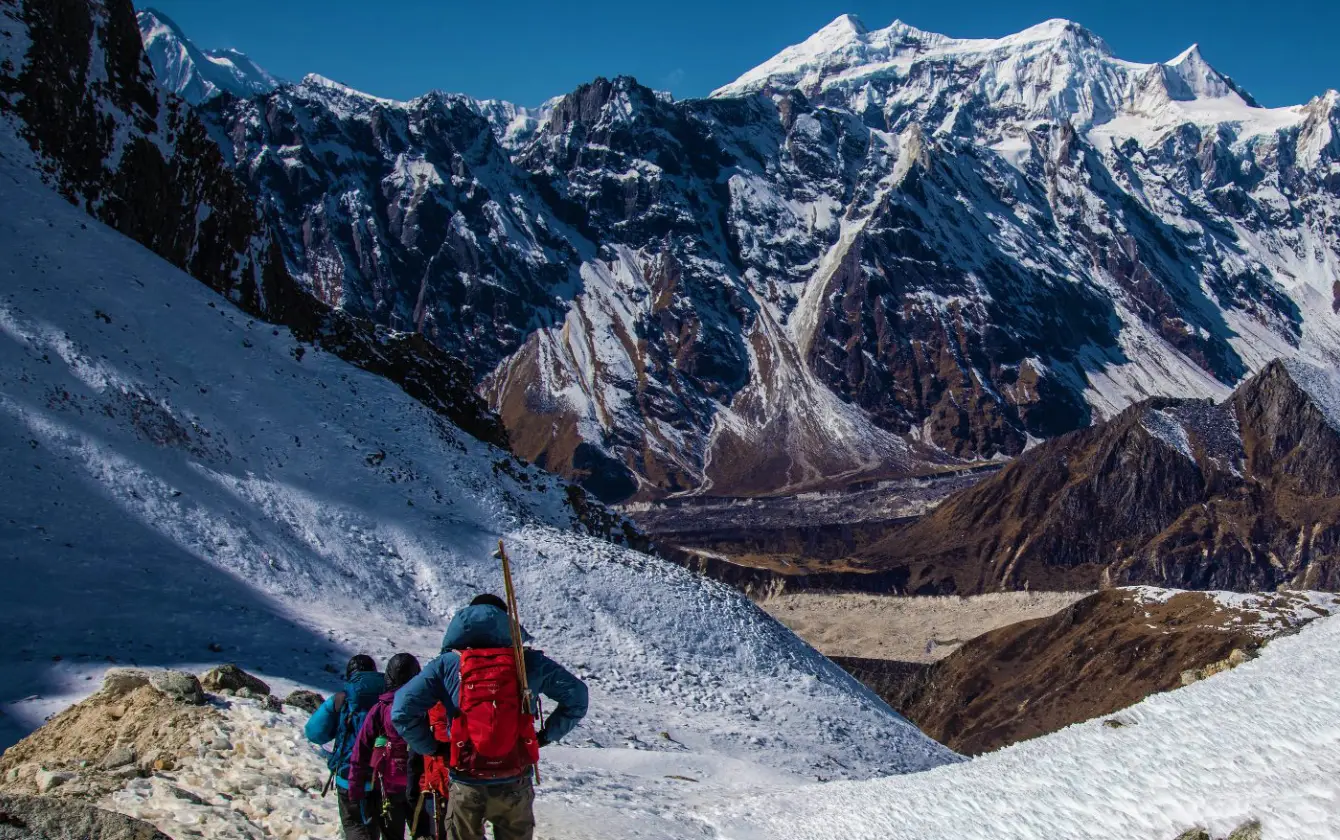
For crossing the passes
- Trekking poles
- Yaktrax
- Gaiters
Personal Equipment:
- Day pack (you’ll need during the day, such as warm clothes, a jacket, a camera, water bottles, snacks, and a personal first aid kit. Keep your daypack under 5 kg. A porter will transport the rest of your personal gear in a duffel or kit bag, which should not exceed 15 kg per trekker. Clearly mark your bag to help identify it easily.)
- Stuff sacks for keeping your gear dry and organized.
- Water bottles (Nalgene wide-mouth bottles are the best).
- Sunscreen and lip salve with a high SPF.
- Water purification tablets (Aqua Tab, Chlorine dioxide).
- Favourite snack food.
- Sleeping bag ( available for rental in Kathmandu approx.@ US$1.5/day)
- Camera with spare batteries and memory cards.
- Insurance certificate.
- Flash Light
- Earplugs (optional).
- Hand sanitizer
- Face Mask
- Spare cash for extra expenses like hot shower, boiled water, gadget charging during trek
Traveling:
- Bring a small combination padlock to secure the bag.
- Travel clothes. You will need casual clothing for air travel days and time spent in Kathmandu.
- Toiletry bags include toilet paper, soap, towel, toothbrush, etc.
- Quick dry towel
Personal first aid kit: Note: Nepal Sanctuary Treks provides a comprehensive group first aid kit, but please bring personal medications and other items you might use regularly.
Manaslu Circuit Trek Difficulty and Terrain
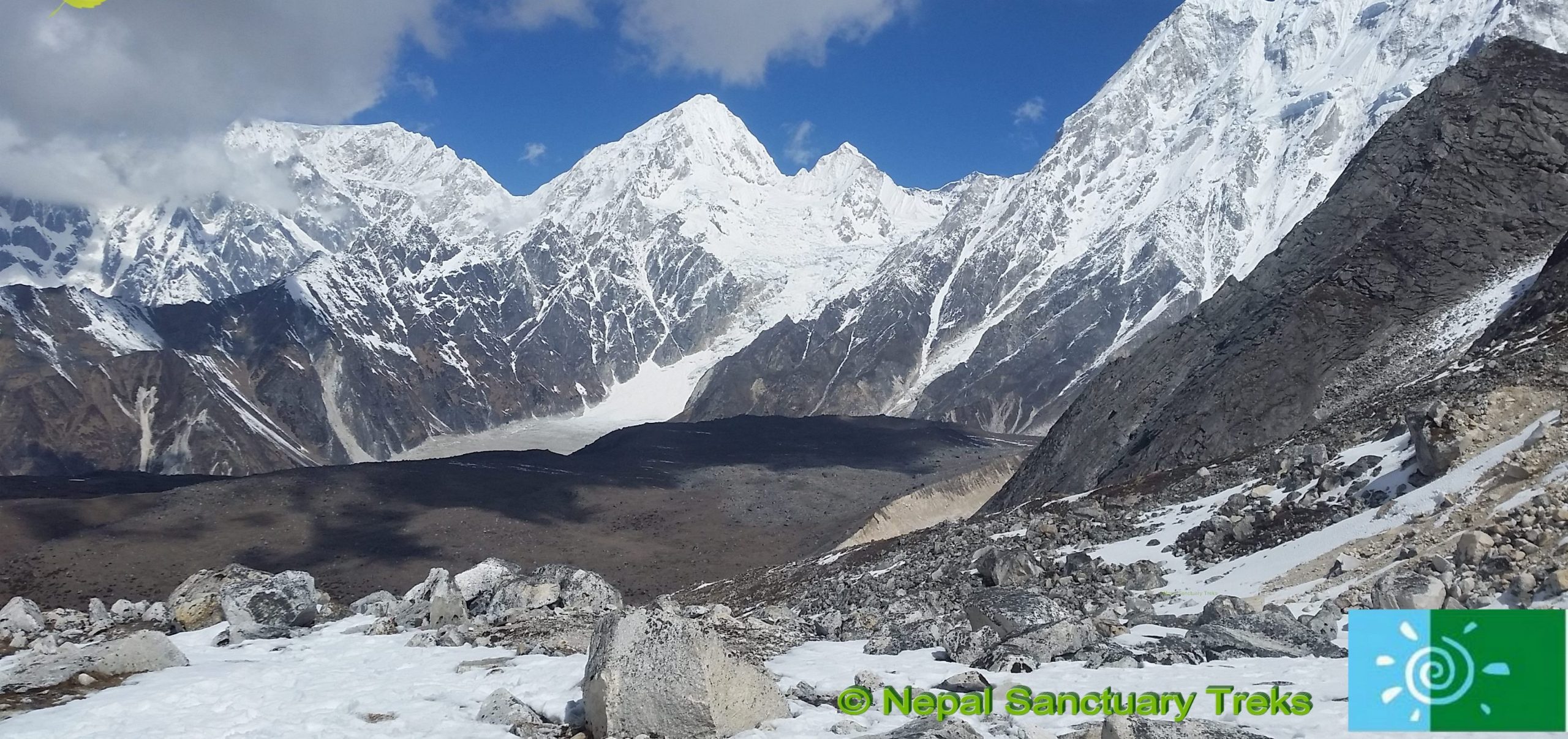
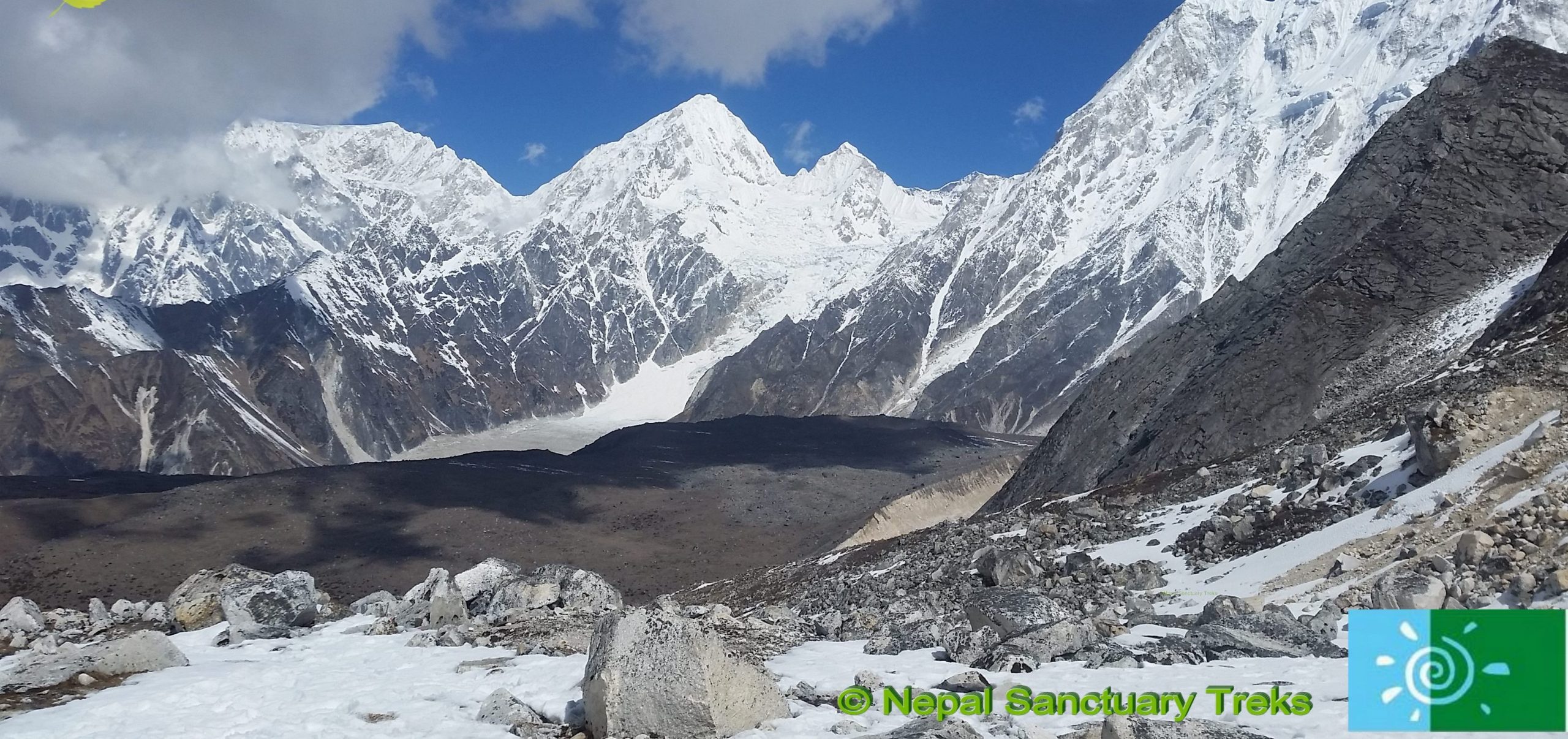
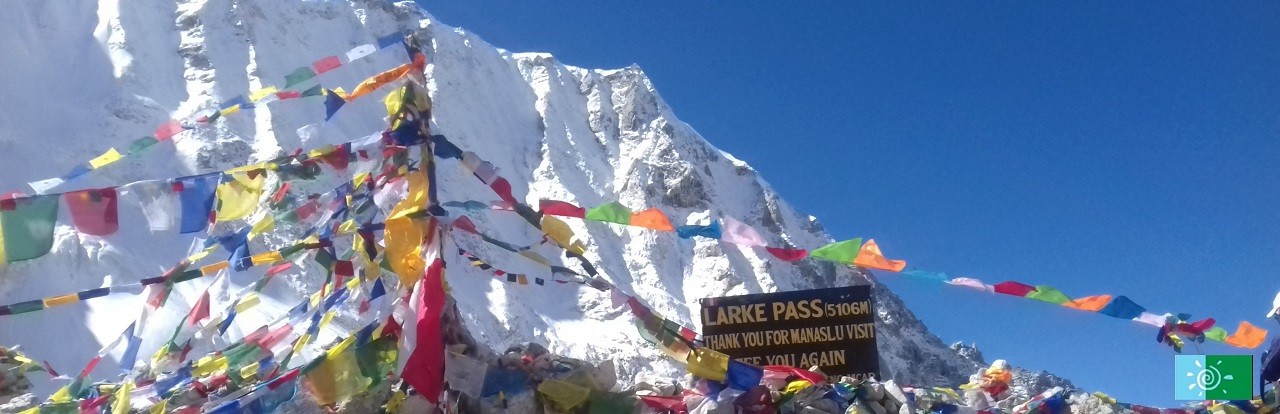
The Manaslu Circuit Trek is challenging yet achievable with proper preparation and physical fitness. The trek starts at 900 meters and climbs steadily to Larkya La Pass, reaching a height of 5,106 meters.
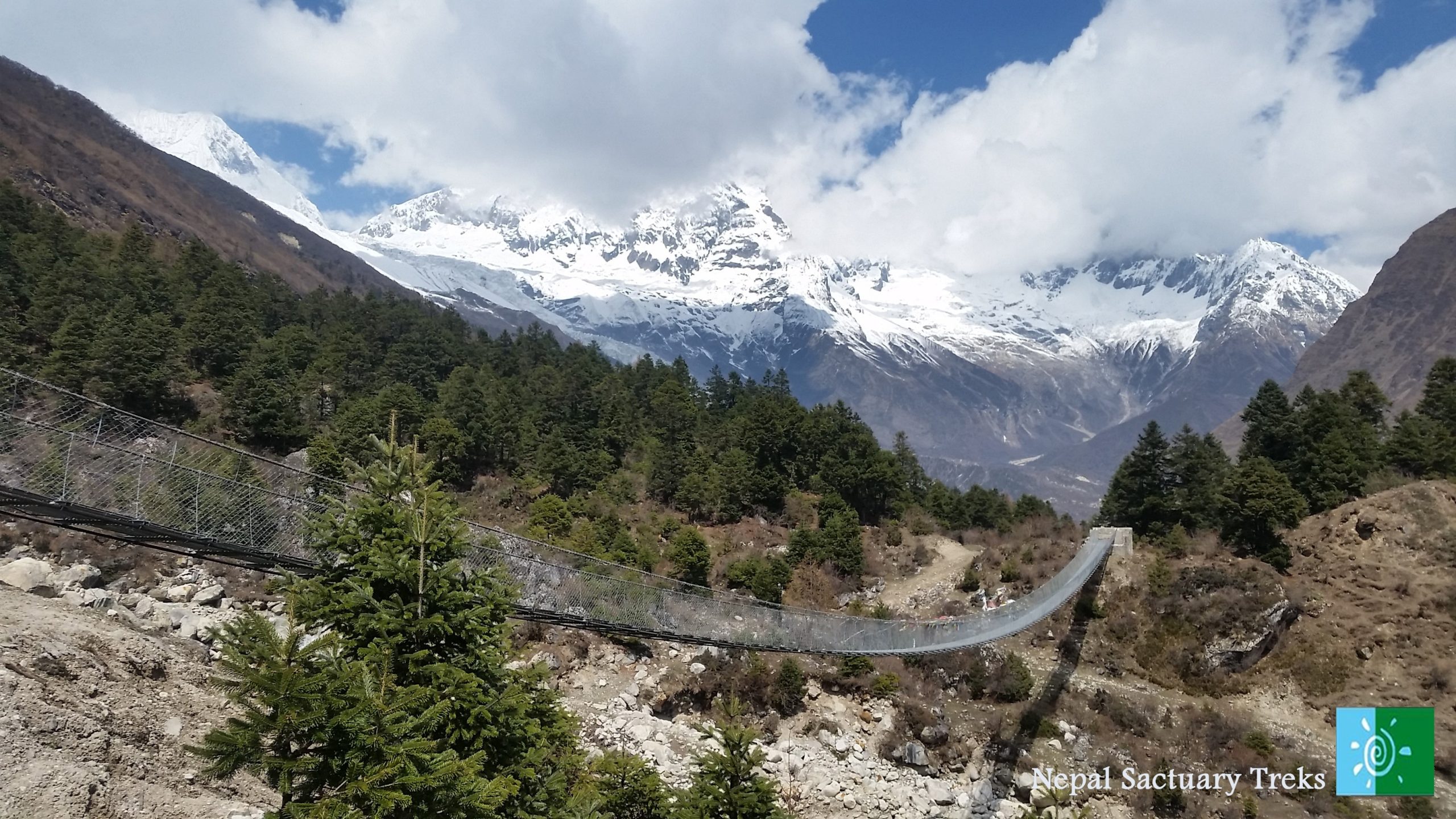
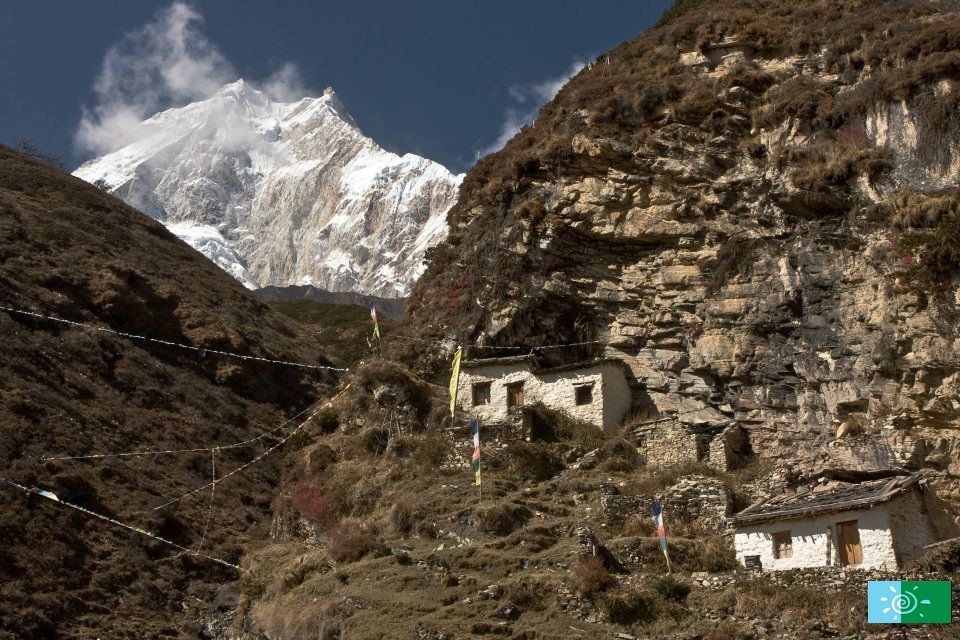
Expect rugged terrain with river crossings, rocky trails, and steep ascents that test your balance and endurance. You’ll trek 6 to 8 hours daily for about 14 to 18 days through changing altitudes and varied landscapes.
While no technical climbing is needed, long days at high altitudes can be tough. Prepare by focusing on cardiovascular endurance, leg strength, and hiking with a backpack.
Include mental resilience, flexibility, and balance exercises like yoga and Pilates for injury prevention and better mobility. A good fitness level will ensure you get the most out of your Manaslu Circuit Trek and have an enjoyable experience along the way.
Nepal Sanctuary Treks includes acclimatization days to help your body adjust to the high altitude safely. Proper hydration, pacing, and nutrition are key to completing the Manaslu Circuit Trek comfortably and safely.
Manaslu Circuit Trek Weather and Best Time to Visit
The Manaslu Circuit Trek weather is most stable and favorable during the spring (March to May) and autumn (September to November) seasons, which are widely considered the best time for Manaslu Circuit Trek.
Spring Season (March to May)
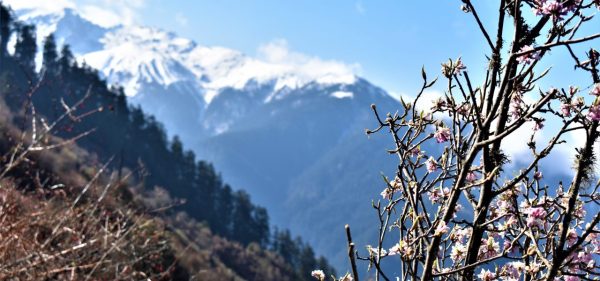
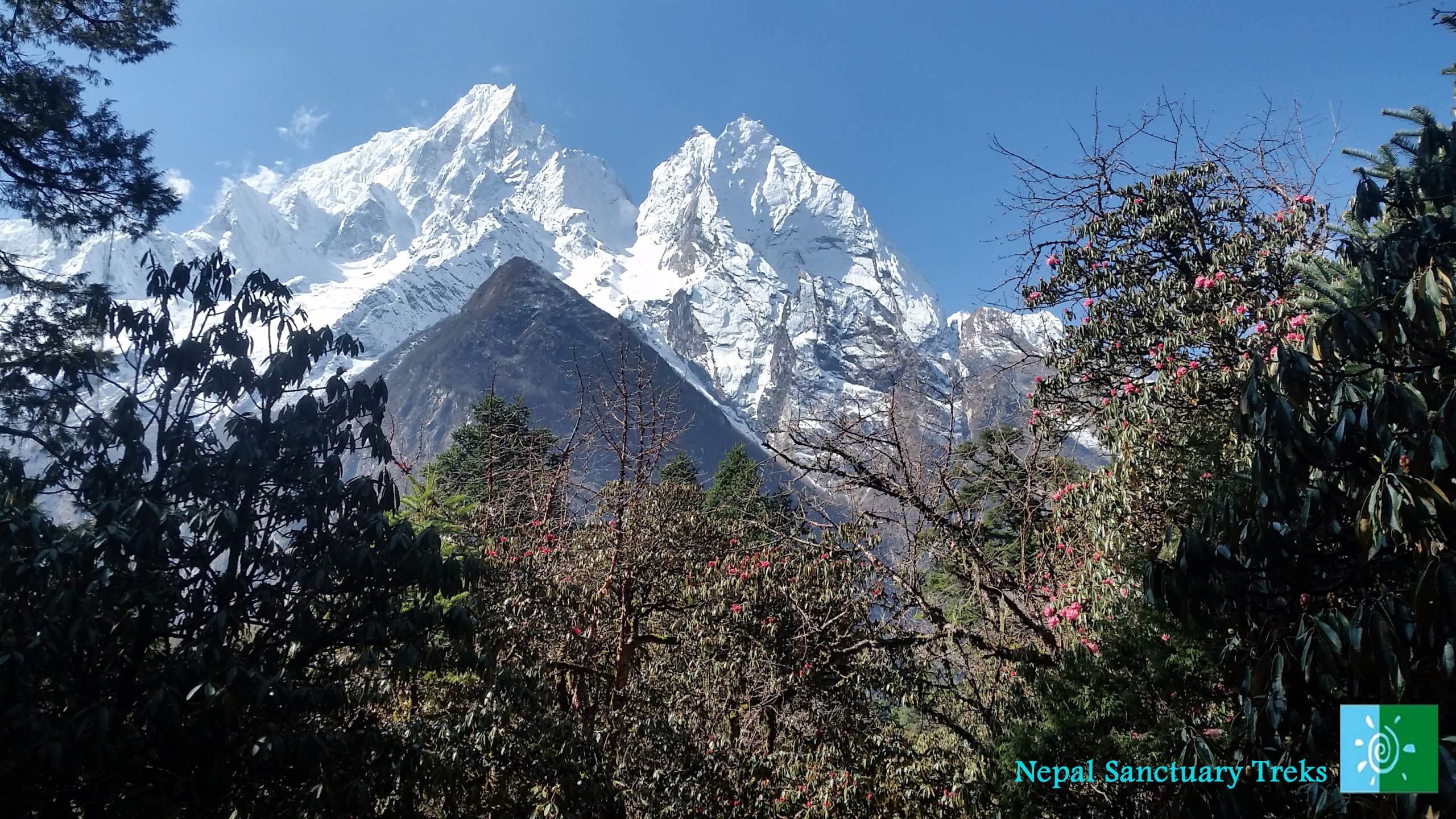
Spring is one of the most popular trekking seasons in Nepal due to its clear skies, blooming rhododendrons, and pleasant temperatures.
- Lower altitudes (700–2,000m): 10°C to 20°C
- Mid to high altitudes (2,000–4,000m): 5°C to 10°C
- Night temperatures: can drop to 0°C or below at higher elevations
This season offers excellent visibility of the Himalayas, making it ideal for photography and comfortable trekking conditions. A high-quality sub-zero sleeping bag is strongly recommended for colder nights at higher camps.
Autumn Season (September to November)
Autumn is another best trekking season in Nepal, known for its stable weather, crystal-clear mountain views, and dry trails.
- Day temperatures: 7°C to 20°C
- Above 3,000m: Temperatures drop significantly at night
The air is crisp and visibility is excellent, offering some of the best Himalayan views on the Manaslu Circuit Trek. Warm layers are essential, especially for evenings and high-altitude sections.
As you ascend the trail, temperatures gradually decrease with altitude. Nights become significantly colder above 3,000–4,000 meters. Weather can shift quickly in high mountain regions. Proper layering and cold-weather gear are essential for safety and comfort.
Both spring and autumn offer the best conditions for the Manaslu Circuit Trek, with mild temperatures, stable weather, and clear Himalayan views—ensuring a safe, comfortable, and visually stunning trekking experience.
Manaslu Circuit Trek Permit
The Manaslu Circuit Trek lies within a restricted area, requiring specific permits to ensure safety and regulate access. The necessary permits required for the Manaslu Circuit Trek are:
- Manaslu Restricted Area Permit (RAP)
- Manaslu Conservation Area Permit (MCAP)
- Annapurna Conservation Area Permit (ACAP)
- TIMS Card
- Manaslu Local Area Permit (issued during the trek)
Nepal Sanctuary Treks handles all required permits and logistics, so you can focus on the experience while we take care of the rest.
Manaslu Circuit Trek Accommodation
Teahouse lodges are simple, usually twin-sharing with single beds, a basic mattress, pillow, and blanket. In cold winter temperatures (late December), a high-quality sleeping bag rated for sub-zero temperatures (–15 °C or lower) is essential, as rooms are unheated.
Lower villages may have Western or squat toilets, while higher elevations mostly have shared squat toilets. Hot showers are often available for $2–$4 USD, typically using solar or gas heaters. Rooms are unheated, with warmth mainly from communal dining hall stoves.
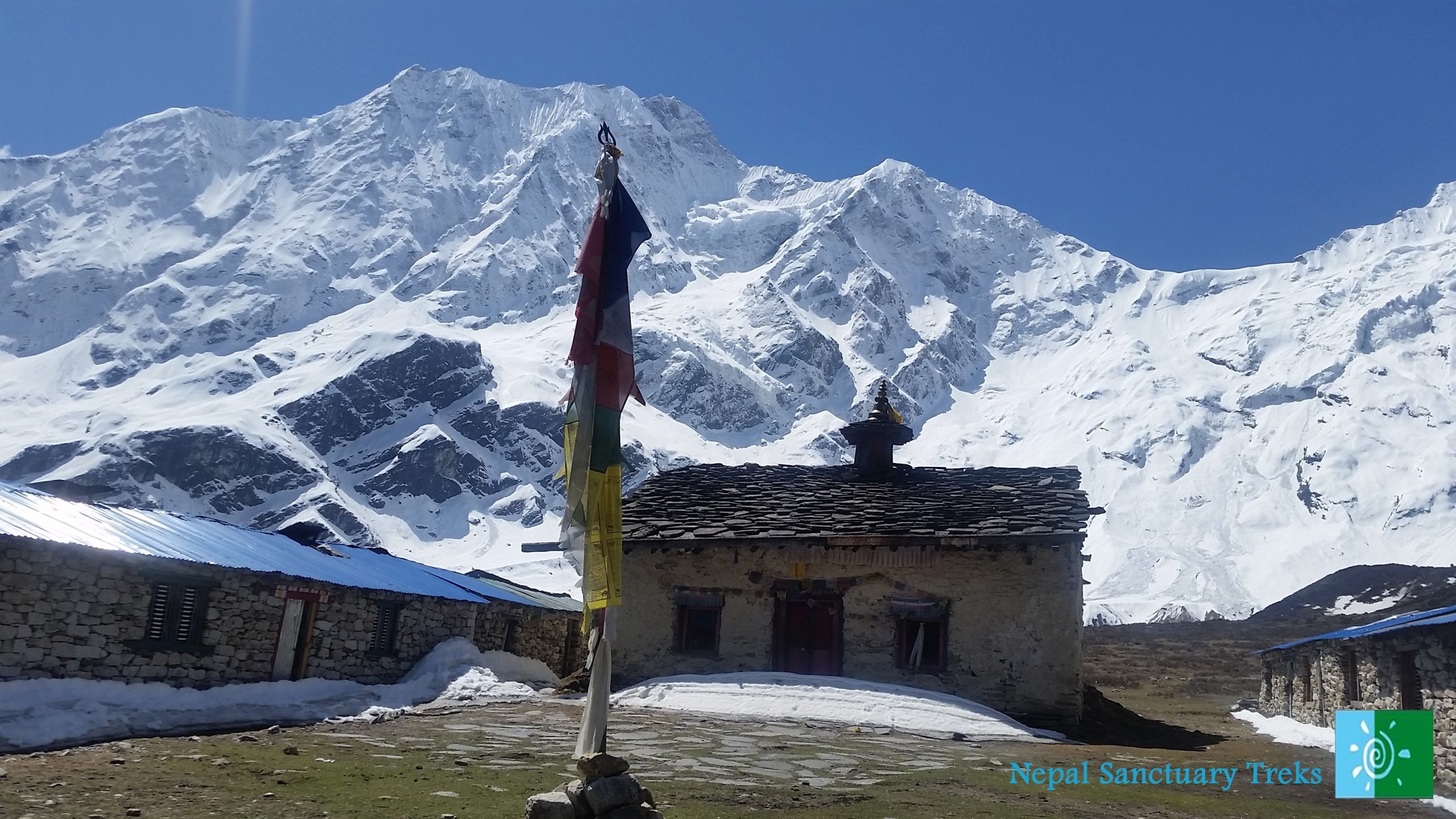
The highest lodge before the pass (Dharmasala/Larkya Phedi) is very basic with limited bedding.
Manaslu Circuit Trek Food Guide: What to Eat on the Trail
Food on the Manaslu Circuit trek is simple, hearty, and locally sourced, mainly served in lodges. Menus are smaller than on popular routes, focusing on traditional Nepali dishes with some Tibetan and basic international options. Breakfast and dinner are usually at your lodge, while lunch is at trail-side restaurants.
The staple dal bhat (rice with lentil soup and vegetable curry) and other local dishes are highly recommended.
Breakfast includes porridge, pancakes, eggs, muesli, Tibetan bread, and chapati. Lunch and dinner offer noodles, pasta, momos, fried rice, potatoes, and sometimes pizza or sandwiches, with local specialties like dhido or fresh yak cheese available in some villages.
To avoid stomach issues, it’s best to skip meat dishes, use hand sanitizer when handling money, and pay separately for items not included in the set menu.
Electricity and Charging on the Manaslu Circuit Trek
Electricity on the Manaslu Circuit Trek is available in most villages, but the power supply becomes less reliable and more expensive at higher altitudes. Lower sections of the trek, such as Soti Khola and Jagat, generally have stable electricity from the national grid or local micro-hydro systems, making charging on the Manaslu trek easier and more affordable.
As you ascend to higher villages like Samdo and Dharmasala (Larkya Phedi), electricity is mainly provided by solar panels or small generators, which may not work consistently during cloudy weather or peak demand periods.
Manaslu Circuit Trek Charging Facilities
Most teahouses along the Manaslu Circuit offer device charging services, but guest rooms usually do not have private sockets. Instead, travelers must use shared charging stations in dining areas.
- Charging cost: $1–$3 USD per device per hour
- Power bank charging: $2–$5 USD
- Availability decreases with altitude
Standard plug types include Type C, D, and M, so carrying a universal travel adapter is highly recommended for trekking in Nepal.
Power Challenges on the Trek
During peak trekking season, charging points in teahouses can be crowded, and you may need to wait your turn. Cold temperatures in the Himalayas also cause fast battery drainage, especially for phones and cameras.
For this reason, it is essential to carry:
- A high-capacity power bank
- A headlamp with spare batteries
- Backup charging cables
Communication on the Manaslu Circuit Trek
Communication on the Manaslu Circuit Trek is available but highly limited due to the remote Himalayan terrain. Mobile network coverage becomes weaker as you gain altitude, and in some sections it disappears completely.
Mobile Network on Manaslu Circuit Trek
Among Nepal’s mobile providers, Nepal Telecom (NTC/Namaste SIM) offers the most reliable mobile network on the Manaslu Circuit Trek, especially in lower and mid-altitude villages such as:
- Soti Khola
- Jagat
- Philim
- Namrung
- Parts of Samagaun
In contrast, Ncell SIM cards have limited coverage and generally stop working after the early stages of the trek.
For better connectivity, it is recommended to purchase an NTC SIM card with a data package in Kathmandu before starting the trek.
Internet and Wi-Fi on the Manaslu Trek
In remote sections and high-altitude areas such as Dharmasala (Larkya Phedi) and Larkya La Pass, expect complete digital blackout zones with no mobile signal. Some teahouses along the route offer Wi-Fi in Manaslu Circuit Trek lodges, but it is:
- Slow and unstable
- Charged around $2–$5 USD per hour
- Suitable only for basic messaging or emergency use
Common Mistakes First-Time Manaslu Trekkers Make
Preparing well can make your trek safer and more enjoyable. Here are some common mistakes we encourage trekkers to avoid.
- Walking too fast during the first few days instead of allowing the body to acclimatize naturally.
- Packing unnecessary gear, making backpacks heavier than needed.
- Drinking too little water, especially at higher elevations where dehydration is common.
- Underestimating cold temperatures near Dharmasala and Larke Pass, particularly in spring mornings and autumn evenings.
- Expecting luxury accommodation instead of comfortable, family-run tea houses that reflect the authentic character of the region.
- Ignoring early symptoms of altitude sickness rather than informing the guide immediately.




 Altitude:
6143 m/20,154 ft.
Altitude:
6143 m/20,154 ft.
 Difficulty:
Strenuous
Difficulty:
Strenuous