Dhaulagiri Circuit Trek Packing List
Footwear:
- Walking boots. A pair of water-repellent boots with ankle support.
- Walking socks.
- Trainers or trail shoes. Can be used in and around the lodge in the afternoons/evenings.
Clothing:
- Waterproof jacket and trousers (Gore-Tex or similar).
- Trekking trousers.
- Long sleeve shirts (not cotton).
- Mid to heavyweight fleece.
- Sleeveless or body warmer type fleece.
- Thermals or base layer for top & bottom (merino wool or synthetic).
- Fleece pants.
- Medium weight down jacket (e.g.: Nuptse jacket by The North Face).
Hand wear:
- Fleece gloves.
- Warms mittens and/or gloves.
Headwear:
- Wool or fleece hat.
- Sun hat.
- Bandana or scarf.
- Head torch. Bring extra batteries.
- Sunglasses.
For crossing the passes
- Trekking poles
- Yaktrax
- Gaiters
Personal Equipment:
- Day pack (you’ll need during the day, such as warm clothes, a jacket, a camera, water bottles, snacks, and a personal first aid kit. Keep your daypack under 5 kg. A porter will transport the rest of your personal gear in a duffel or kit bag, which should not exceed 15 kg per trekker. Clearly mark your bag to help identify it easily.)
- Stuff sacks for keeping your gear dry and organized.
- Water bottles (Nalgene wide-mouth bottles are the best).
- Sunscreen and lip salve with a high SPF.
- Water purification tablets (Aqua Tab, Chlorine dioxide).
- Favourite snack food.
- Sleeping bag ( available for rental in Kathmandu approx.@ US$1.5/day)
- Camera with spare batteries and memory cards.
- Insurance certificate.
- Flash Light
- Earplugs (optional).
- Hand sanitizer
- Face Mask
- Spare cash for extra expenses like hot shower, boiled water, gadget charging during trek
Traveling:
- Bring a small combination padlock to secure the bag.
- Travel clothes. You will need casual clothing for air travel days and time spent in Kathmandu.
- Toiletry bags include toilet paper, soap, towel, toothbrush, etc.
- Quick dry towel
Personal first aid kit: Note: Nepal Sanctuary Treks provides a comprehensive group first aid kit, but please bring personal medications and other items you might use regularly.
Accommodation and Food on the Dhaulagiri Circuit Trek in Nepal
The Dhaulagiri Circuit Trek in Nepal is a fully supported camping trek in the Himalayas. Trekkers may find basic teahouses or homestays in lower villages such as Darbang and Muri, but most of the route requires full tent camping due to the remote and rugged terrain.
Nepal Sanctuary Treks provides a complete Dhaulagiri Circuit Trek camping service, including tents, mattresses, dining tents, and kitchen equipment. A professional support team and porters carry all gear, ensuring a safe and comfortable high-altitude camping trek in Nepal even in isolated regions.
Because the route is extremely remote, there are no shops or restaurants on the upper trail. The trekking team carries all food supplies from the start of the journey. Whenever possible, they also buy fresh ingredients from local villages in lower areas, supporting the local economy in the Dhaulagiri trekking region.
Staying well-fed and hydrated is essential at high altitude, and the experienced cooking team prepares energy-rich trekking meals in Nepal Himalayas every day.
Daily Food on the Camping Trek
- Breakfast: Porridge or cereal, toast or chapatis, eggs, and hot tea or coffee
- Lunch: Prepared on the way and served at a scenic stop along the trail
- Snacks: Hot drinks and biscuits served at camp
- Dinner: A two-course meal in the mess tent around 6:00–6:30 pm, starting with soup followed by a main dish
Camping Experience on the Dhaulagiri Circuit Trek
The kitchen staff usually walk ahead each morning to prepare lunch and set up camp. Trekkers rest after lunch before continuing the trek in the afternoon. At camp, the team serves hot drinks and provides a warm, communal dining experience inside the mess tent.
The trek team also accommodates different dietary requirements, which they confirm during booking to ensure a safe and personalized Dhaulagiri Circuit Trek food experience in Nepal.
Dhaulagiri Circuit Trek Temperature Guide: Weather, Climate & Altitude Conditions
The Dhaulagiri Circuit Trek temperature varies greatly due to extreme altitude changes, making it one of the coldest trekking routes in Nepal. Conditions range from mild temperatures in lower valleys to severe sub-zero cold in high mountain zones, especially around the Hidden Valley.
| Month |
Avg. Temp (°C) |
Avg. Temp (°F) |
| January |
-6°C |
21.2°F |
| February |
-5°C |
23°F |
| March |
-3°C |
26.6°F |
| April |
2°C |
35.6°F |
| May |
7°C |
44.6°F |
| June |
10°C |
50°F |
| July |
11°C |
51.8°F |
| August |
10°C |
50°F |
| September |
7°C |
44.6°F |
| October |
0°C |
32°F |
| November |
-2°C |
28.4°F |
| December |
-4°C |
24.8°F |
Extreme Cold in High Altitude Zones
Temperatures drop sharply at higher elevations, especially in the Dhaulagiri Circuit Trek weather conditions above 4,000 meters. Nights become much colder than the monthly averages.
Temperature by Location on the Dhaulagiri Circuit Trek
- Darbang (1,180m): 15°C to 20°C (59°F to 68°F)
- Italian Base Camp (3,660m): 0°C to -5°C (32°F to 23°F)
- Dhaulagiri Base Camp (4,740m): -10°C to -15°C (14°F to 5°F)
- Hidden Valley (5,140m): -15°C to -25°C (5°F to -13°F)
Important Weather Note
Temperatures in the Hidden Valley trekking zone of the Dhaulagiri Circuit Trek often drop below -20°C, especially during October and November nights. Wind chill makes conditions feel even colder.
Preparation Tips for Dhaulagiri Trek Weather
Trekkers should prepare for extreme high altitude trekking temperature in Nepal by bringing:
- A 4-season sleeping bag rated to -15°C or -20°C
- Layered clothing system for cold weather trekking
- Windproof and insulated outer layers
- Proper gloves, thermal wear, and down jacket
Electricity on the Dhaulagiri Circuit Trek: Charging, Power Supply & Tips
Electricity on the Dhaulagiri Circuit Trek in Nepal is very limited and often unreliable. It is usually available only in lower villages at the start of the trek, while higher elevations have little to no power access. This makes Dhaulagiri Circuit Trek electricity and charging facilities extremely basic compared to other trekking routes in Nepal.
From Italian Base Camp onward, trekkers no longer find electricity. These higher sections operate as remote high-altitude camping areas in the Dhaulagiri region, where the trekking crew runs fully self-sufficient tented camps and prepares all meals on-site.
Because of the lack of charging facilities, trekkers should plan carefully for power management on the Dhaulagiri Circuit Trek. Carrying a high-capacity power bank is essential to keep devices charged during the journey.
A reliable headlamp with spare batteries is also necessary, as nights in the campsite areas are completely dark and there is no access to electricity. Proper preparation ensures a safer and more comfortable remote camping trek in Nepal Himalayas.
Communication on the Dhaulagiri Circuit Trek: Mobile Network, Internet & Connectivity
Communication on the Dhaulagiri Circuit Trek in Nepal is very limited compared to popular routes like Everest or Annapurna. Trekkers often spend long periods without reliable mobile signal or internet, especially during the high-altitude camping sections of the journey.
Mobile coverage is generally available in lower sections from Beni to Dobhan and again near the end of the trek in Marpha or Jomsom. However, once trekkers move into remote areas such as Italian Base Camp, Dhaulagiri Base Camp, and the Hidden Valley, mobile signal becomes almost nonexistent, making Dhaulagiri Circuit Trek communication and connectivity very challenging.
Among network providers, Nepal Telecom (NTC) usually offers better coverage in remote mountain regions and occasionally works in places where other networks fail. NCELL provides faster internet in lower villages and towns but loses signal more quickly at higher elevations. Trekkers should buy a local SIM card in Kathmandu or Pokhara for use in accessible areas of the Dhaulagiri trekking route in Nepal.
During the 4 to 5 days of fully tented camping, there is no Wi-Fi available at all. For safety and emergencies, guides carry satellite phones (Thuraya devices) to maintain emergency communication in the remote Himalayas.
Proper preparation for remote trekking communication in Nepal Himalayas is essential, as connectivity becomes highly unreliable once the trek enters the high-altitude wilderness.
Dhaulagiri Circuit Trek Difficulty and Physical Fitness Guide
The Dhaulagiri Circuit Trek in Nepal is a challenging high-altitude adventure that requires strong physical fitness, prior trekking experience, and solid mental resilience. Trekkers should prepare for one of the most demanding remote trekking routes in Nepal Himalayas.
The trail includes long trekking days, steep ascents and descents, and high-altitude sections that cross 5,000 meters. Trekkers walk on rugged terrain, including rocky paths, narrow ridges, glacier areas, and river crossings. This makes the Dhaulagiri Circuit Trek difficulty level significantly higher than many other Himalayan treks.
Proper acclimatization plays a key role in completing the trek safely. Trekkers should manage altitude gain carefully to reduce the risk of altitude sickness. They should also carry enough water, high-energy snacks, and layered clothing to adapt to changing mountain conditions.
Mental strength is just as important as physical fitness. Trekkers must handle fatigue, isolation, unpredictable weather, and very basic facilities throughout the journey. These conditions make the Dhaulagiri trekking experience in Nepal both physically and mentally demanding.
A consistent training routine before the trek helps a lot. Endurance training, cardiovascular workouts, leg strength exercises, and hiking practice prepare the body for long trekking days. Mental preparation also improves confidence and comfort during the Dhaulagiri Circuit Trek Nepal itinerary.
Overall, trekkers with good fitness and preparation can complete the trek successfully and enjoy one of Nepal’s most remote and rewarding Himalayan adventures.


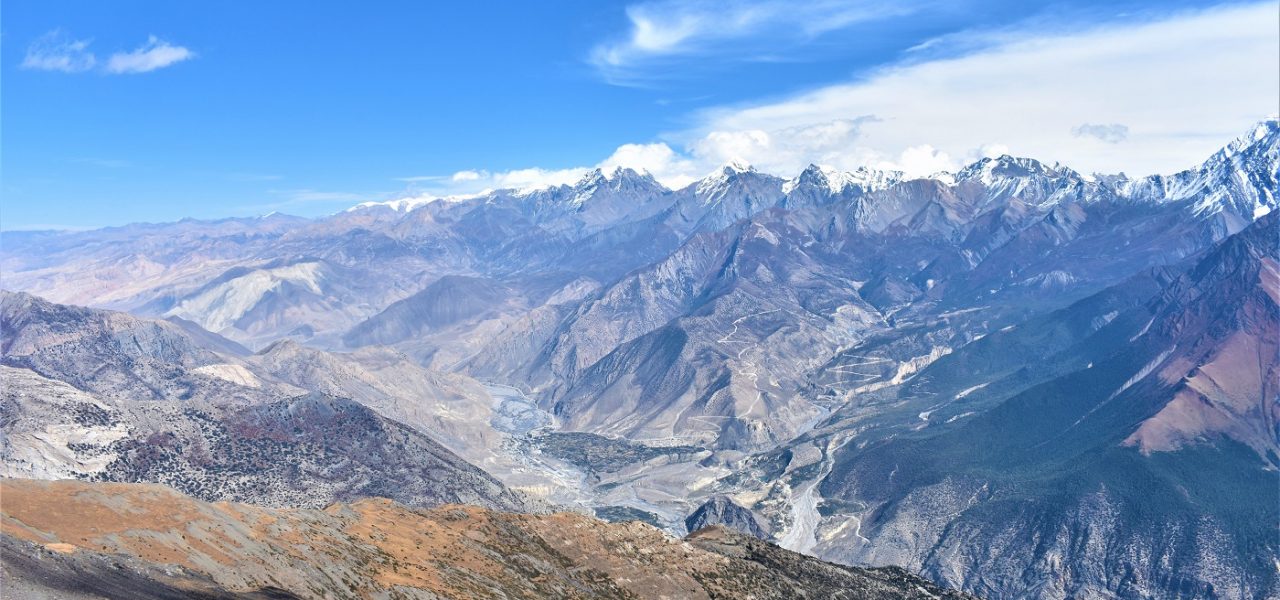


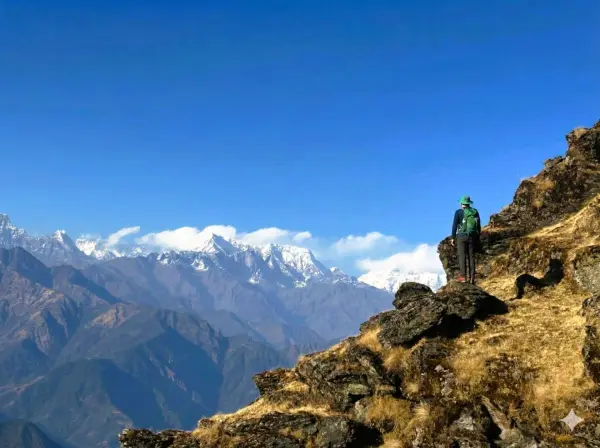
 Altitude:
3,333 m. / 10,935 ft.
Altitude:
3,333 m. / 10,935 ft.
 Difficulty:
Moderate
Difficulty:
Moderate