Pikey Peak Trek Packing List
Footwear:
- Walking boots. A pair of water-repellent boots with ankle support.
- Walking socks.
- Yaktrax
- Gaiters
- Trainers or trail shoes. Can be used in and around the lodge in the afternoons/evenings.
Clothing:
- Waterproof jacket and trousers (Gore-Tex or similar).
- Trekking trousers.
- Soft shell trousers
- Long sleeve shirts (not cotton).
- Mid to heavyweight fleece.
- Sleeveless or body warmer type fleece.
- Thermals or base layer for top & bottom (merino wool or synthetic).
- Fleece pants.
- Medium weight down jacket (e.g.: Nuptse jacket by The North Face).
Hand wear:
- Fleece gloves.
- Warms mittens and/or gloves.
Headwear:
- Wool or fleece hat.
- Sun hat.
- Bandana or scarf.
- Head torch. Bring extra batteries.
- Sunglasses.
Personal Equipment:
- Day pack (you’ll need during the day, such as warm clothes, a jacket, a camera, water bottles, snacks, and a personal first aid kit. Keep your daypack under 5 kg. A porter will transport the rest of your personal gear in a duffel or kit bag, which should not exceed 15 kg per trekker. Clearly mark your bag to help identify it easily.)
- Stuff sacks for keeping your gear dry and organized.
- Water bottles (Nalgene wide-mouth bottles are the best).
- Sunscreen and lip salve with a high SPF.
- Water purification tablets (Aqua Tab, Katadyn Micropur, Chlorine dioxide).
- Favourite snack food.
- Trekking poles (optional).
- Camera with spare batteries and memory cards.
- Insurance certificate.
- Flash Light
- Earplugs (optional).
- Hand sanitizer
- Face Mask
- Sleeping bag (available in Kathmandu for rental at US$ 1.5 per day)
- Fleece or silk liner for your sleeping bag.
- Spare cash for extra expenses like hot shower, boiled water, gadget charging during trek
Traveling:
- Bring a small combination padlock to secure the bag.
- Travel clothes. You will need casual clothing for air travel days and time spent in Kathmandu.
- Toiletry bags include toilet paper, soap, towel, toothbrush, etc.
- Quick dry towel
Personal first aid kit: Note: Nepal Sanctuary Treks provides a comprehensive group first aid kit, but please bring personal medications and other items you might use regularly.
Pikey Peak Trek Difficulty
The Pikey Peak Trek is a moderate-level trek. It is easier than high-altitude routes like Everest Base Camp, but it still requires good physical fitness due to daily walking distances and frequent elevation changes. The trail follows well-marked paths through forests and ridges, with stone steps along the way. Some sections are steep, especially during the final ascent and descent near the summit.
Trekkers usually walk 5–7 hours per day, covering 10–18 km, and reach a maximum altitude of 4,065 m (13,336 ft). Average to good cardiovascular fitness and strong legs are important, as you may walk continuously for 2–3 hours on hilly terrain and handle steep descents.
Core strength and balance help on uneven trails, while mental endurance is useful for dealing with basic teahouse facilities, changing weather, and several consecutive days of trekking.
Pikey Peak Trek Accommodation
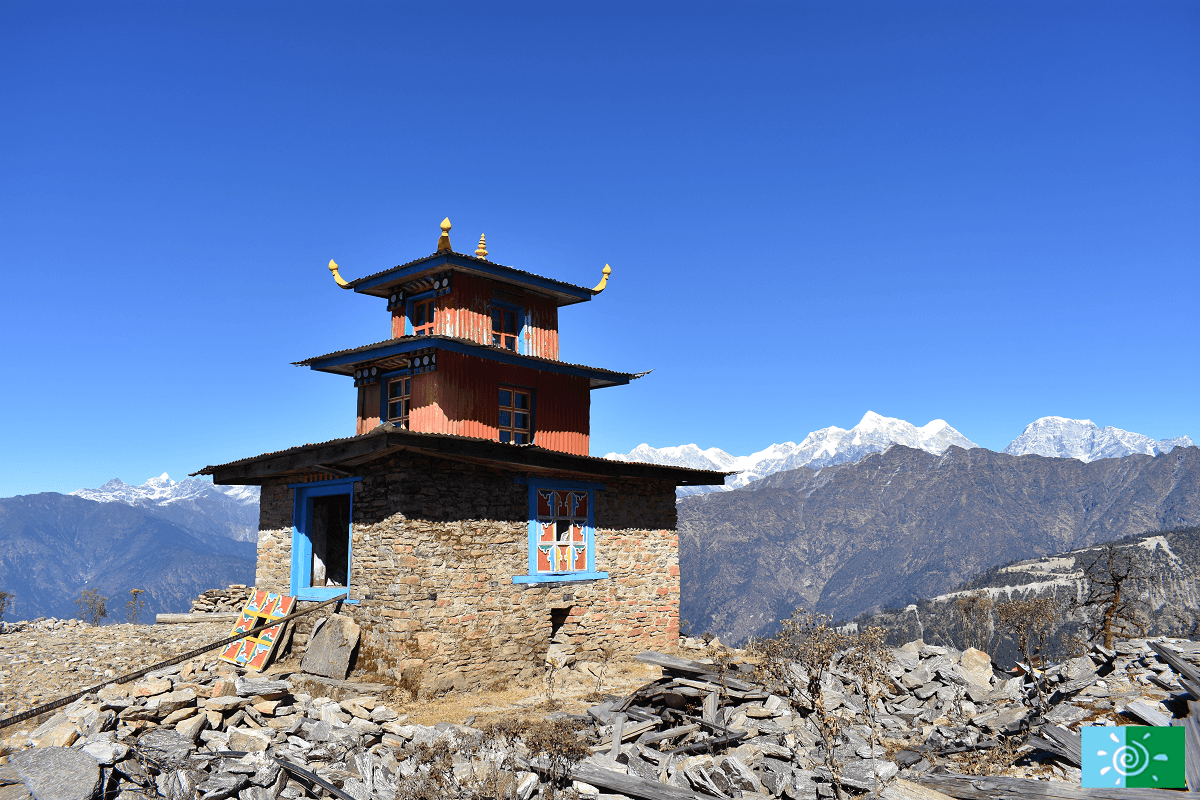
Accommodation along the Pikey Peak Trek is mainly in teahouses and local lodges run by local families. These provide basic but comfortable lodging. Rooms usually have two single wooden beds with foam mattresses, pillows, and blankets. Bringing your own sleeping bag is recommended for extra warmth and better hygiene.
Bathrooms are typically shared and often located outside the rooms. Hot showers are usually available for an additional fee of around USD 2–5.
Meals are served in a communal dining area, which is often heated by a central stove. This space also acts as a social hub, making it easy to relax and meet other trekkers in the evenings.
Meals during Pikey Peak Trek
Tea houses on the Pikey Peak Trek offer a mix of Nepali and Western dishes. Breakfast and dinner are usually served at your lodge, while lunch is often at trail-side restaurants. Typical breakfast options include porridge, cornflakes, Tibetan bread with honey, boiled eggs, omelets, and tea.
Lunch and dinner may include Nepali thali, momo, thukpa, pizza, noodles, fried rice, and curries. It is recommended to try local specialties like Hyakpa (Sherpa stew with hand-pulled noodles and vegetables) and Riki Kur (potato pancakes).
To avoid stomach issues, steer clear of meat dishes and use hand sanitizer when handling money. Extra items outside the set menu are charged separately.
Pikey Peak Trek Electricity
Most teahouses along the Pikey Peak Trek have electricity, usually generated by local hydropower or solar panels. Charging often comes with a small fee and can be unreliable, especially at higher elevations.
Lodges in places such as Dhap, Jhapre, Pikey Base Camp, and Junbesi usually offer charging points, typically in the communal dining area rather than in individual rooms. Fees generally range from USD 2–5 (NPR 260–650) per device, although some lodges may provide free charging.
Because many teahouses rely on solar power, cloudy or rainy weather can limit electricity availability, and occasional power interruptions are common. For this reason, bringing a power bank and a headlamp with extra batteries is strongly recommended.
Nepal uses Type C and Type D power plugs, so carrying a universal adapter is advisable.
Best Time to Trek Pikey Peak
The best time to start the Pikey Peak Trek are during spring (March to May) and autumn (September to November).
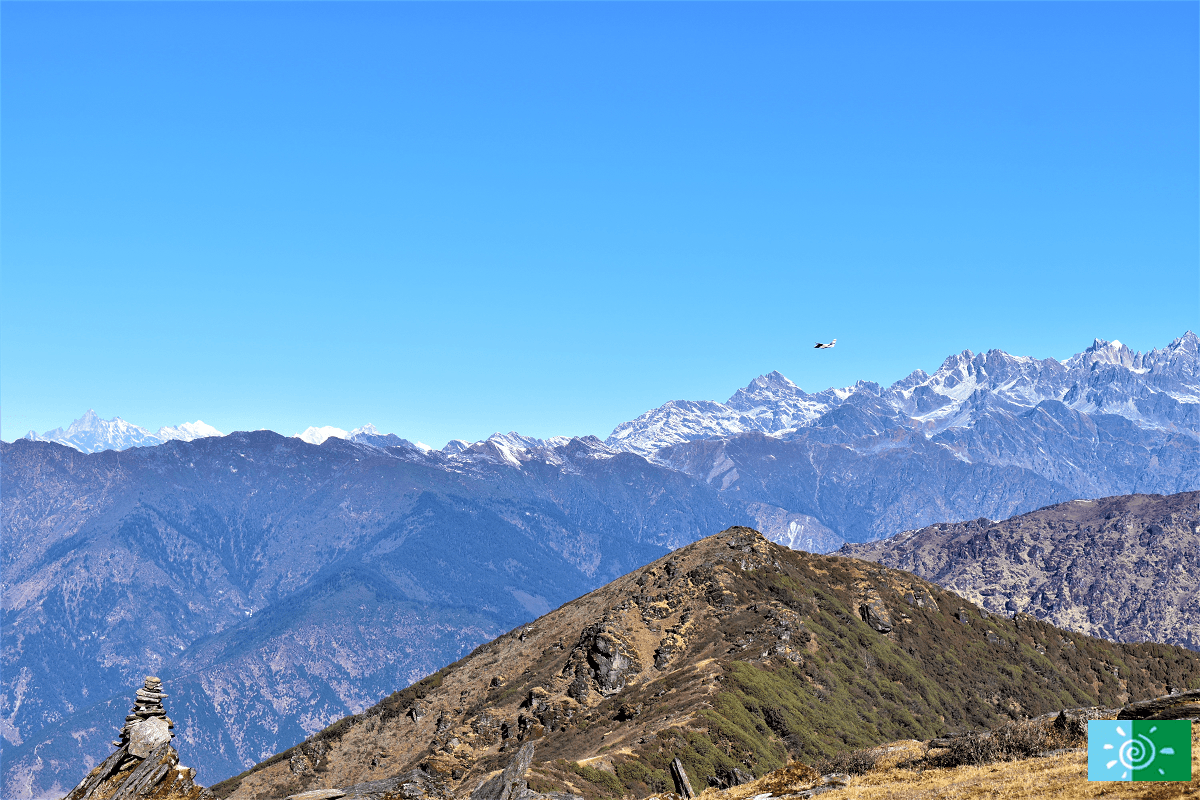
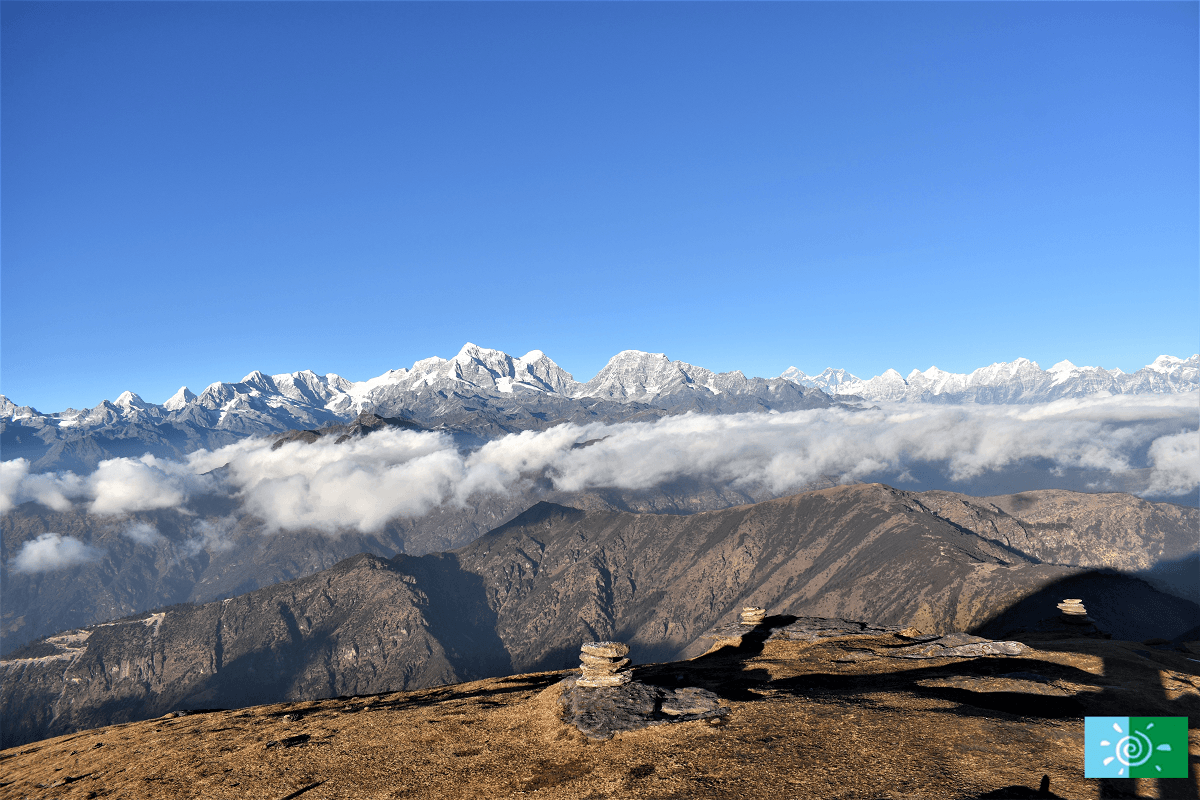
These seasons offer clear skies, mild temperatures, and unobstructed views of the stunning Himalayan peaks, making them ideal for a memorable Pikey Peak Trek.
Spring (March to May)
Spring, following the winter months, brings lush greenery to life. Temperatures range between 20-25°C during the day, with warm days and cool nights. ibrant rhododendrons in bloom add beauty and fragrance to the Pikey Peak Trek.
Autumn (October-December)
Autumn (September to November) is the ideal season for the Pikey Peak Trek. With cool temperatures ranging from 10–15°C and stable weather, trekking conditions are comfortable and enjoyable. The season also brings vibrant autumn foliage and panoramic Himalayan views, making every step scenic.
Autumn is also perfect for experiencing Nepali culture, as major festivals like Dashain and Tihar take place during this time.
It’s best to avoid winter (January–February), when freezing temperatures make Pike Peak trek more challenging. Similarly, the monsoon season (June–August) brings heavy rainfall, slippery trails, and potential safety hazards.
For a mix of perfect weather, colorful landscapes, and cultural experiences, autumn is the top choice for your Pikey Peak Trek adventure.
Physical Fitness for the Pikey Peak Trek
The Pikey Peak Trek is rated moderate and is suitable for most people in good physical condition. Regular physical activities like walking, hiking, or cardio exercises will help you prepare for the Pikey Peak Trek and ensure you have the stamina to fully enjoy this breathtaking journey.




 Altitude:
4,600 m/15,092ft.
Altitude:
4,600 m/15,092ft.
 Difficulty:
Moderate
Difficulty:
Moderate