Trip Facts

icon-calendar
Trip Duration 10 Days
icon-meter
Trip Difficulty Moderate
icon-mountain
Maximum Altitude 4,200m/13,779ft
icon-season
Best Season To Visit March- May, September -November
icon-group
Average Group Size Min 2 pax

Trip Overview

Discover the Mardi Himal Trek in Nepal’s Stunning Annapurna Region

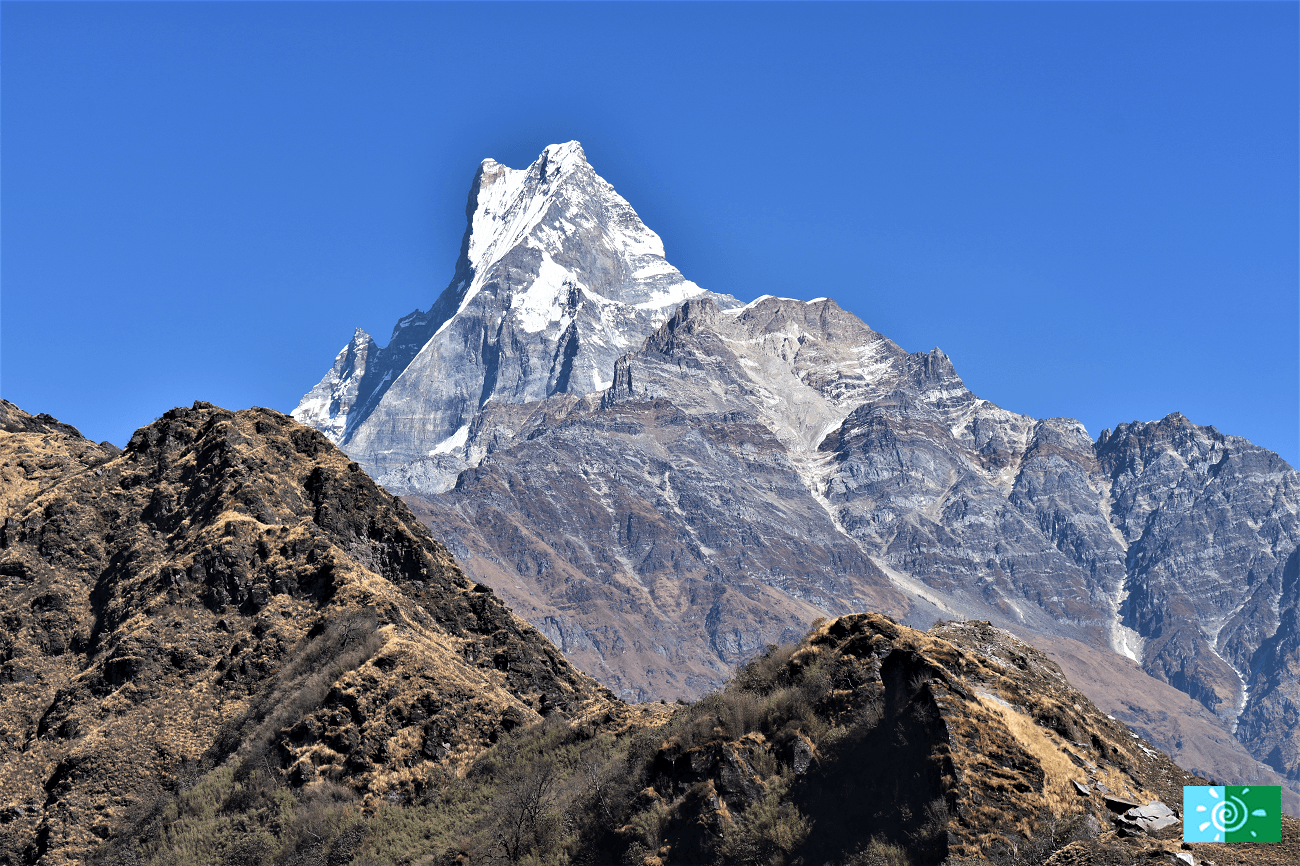
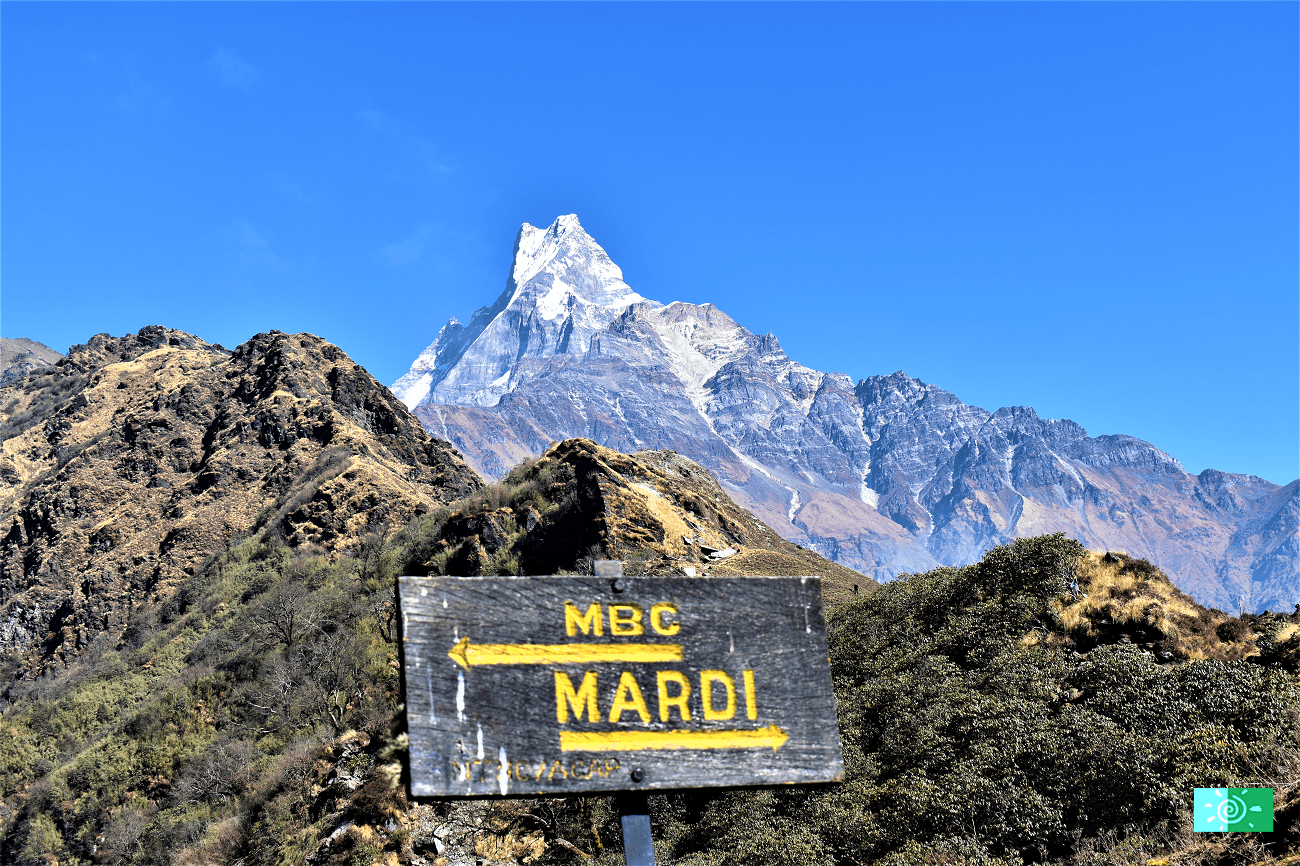
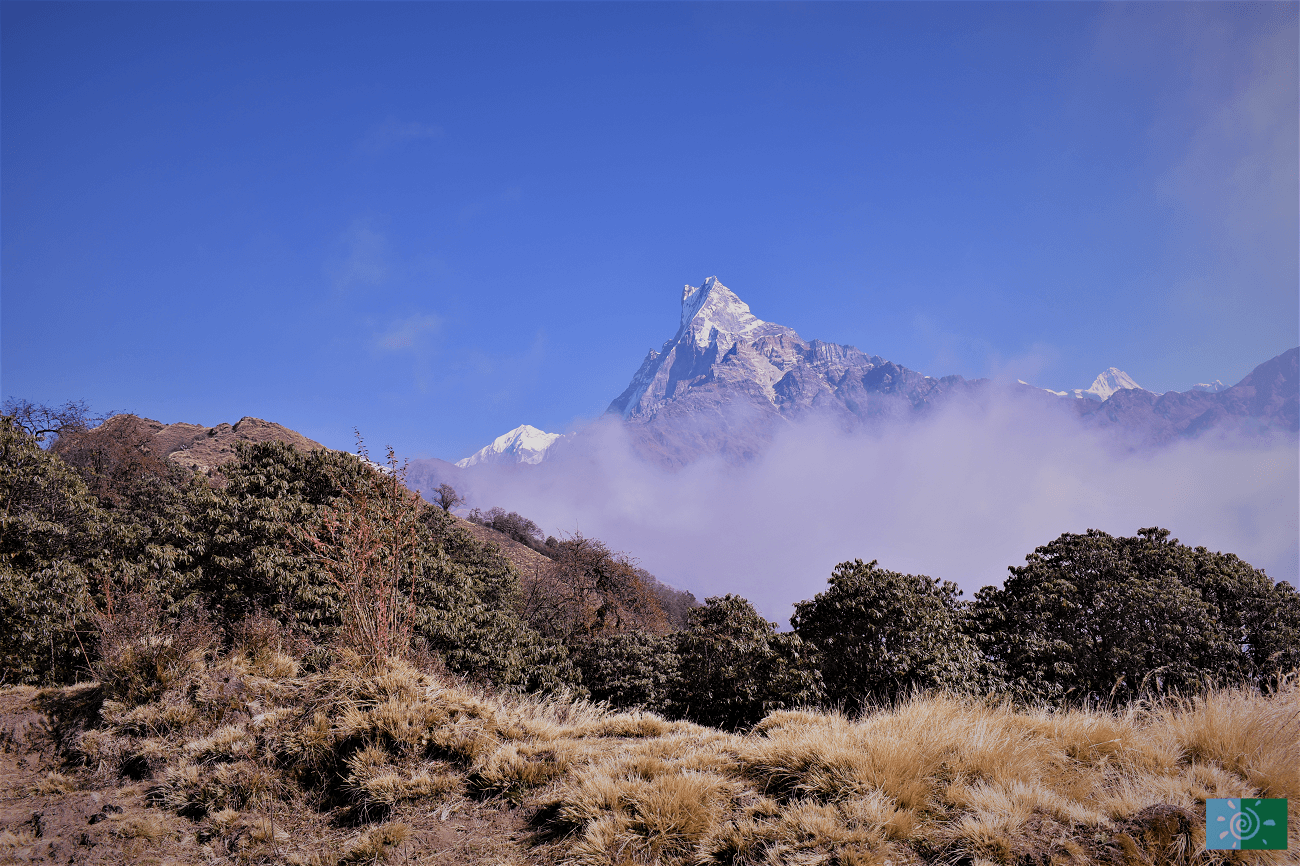
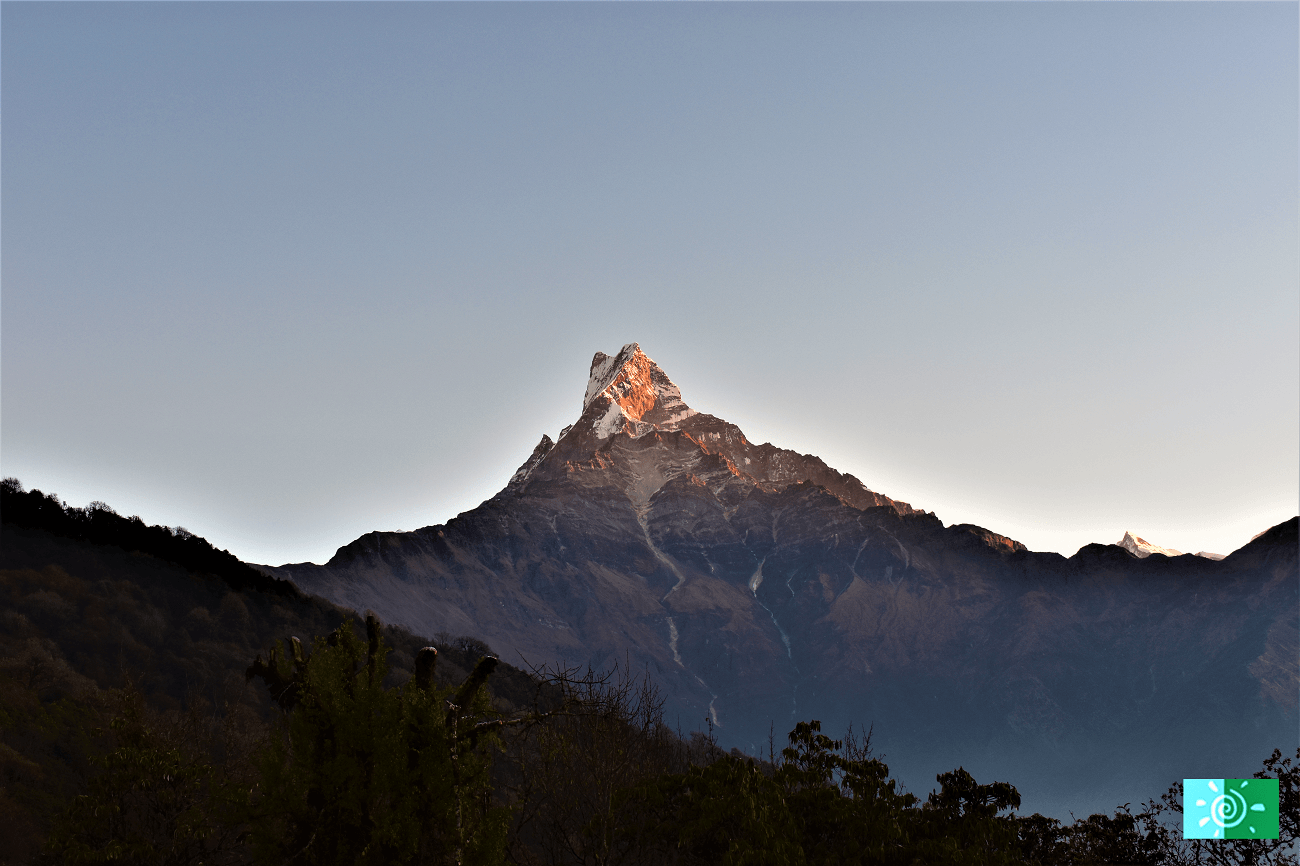
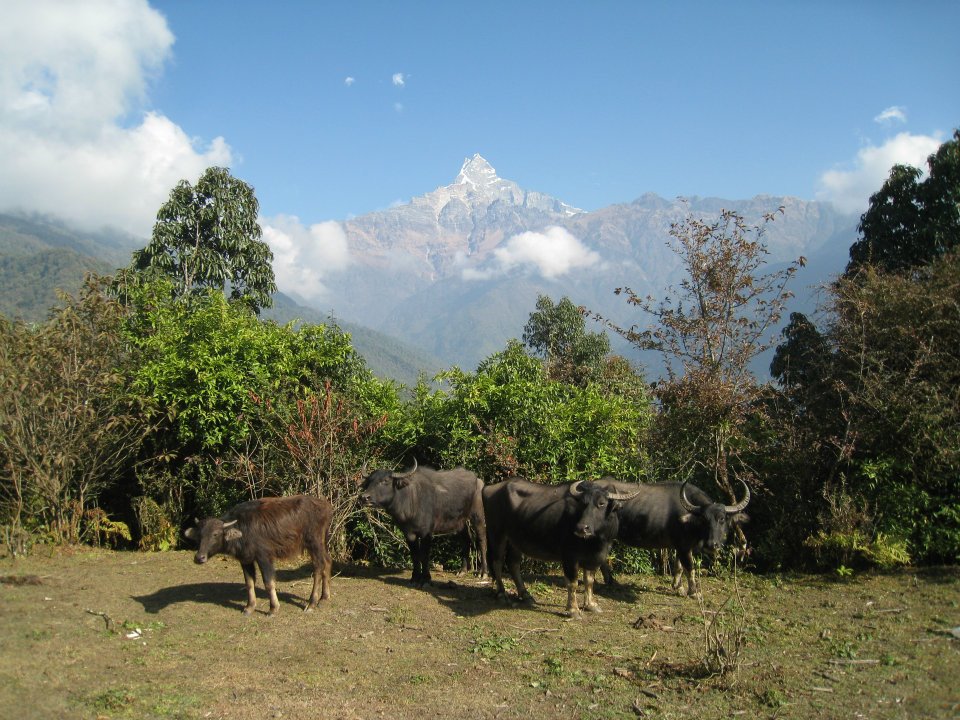
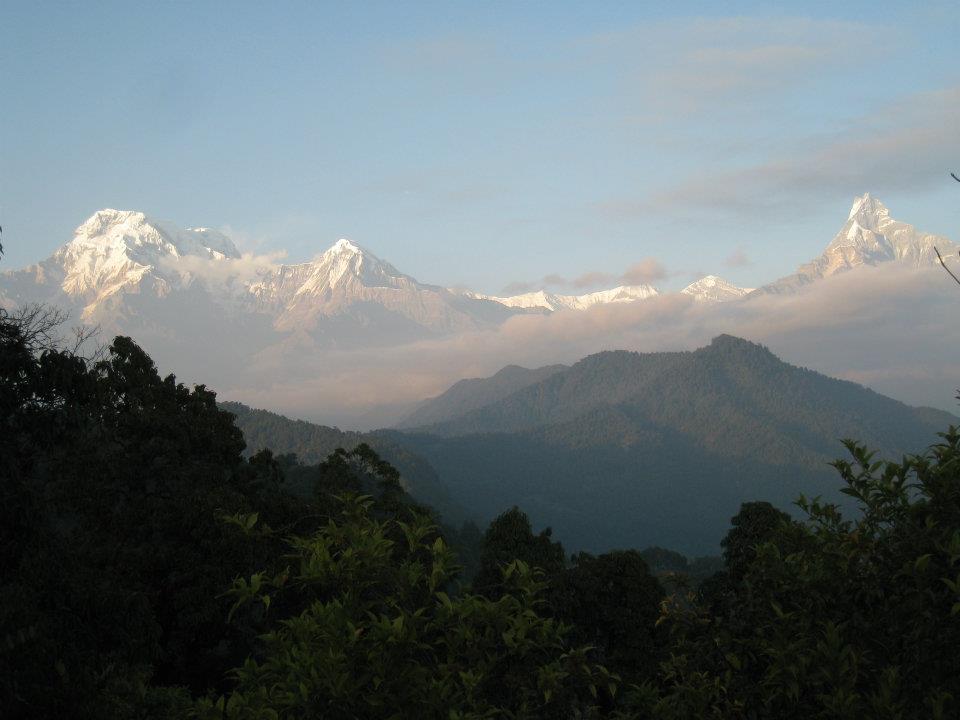
The Mardi Himal Trek is one of Nepal’s best-kept secrets, perfect for travelers seeking a peaceful, off the beaten path adventure. Nestled in the Annapurna region, this trek offers panoramic mountain views, fewer crowds, and a rich cultural experience. East of the famous Annapurna Base Camp trail, the Mardi Himal Trek leads you to the base of Mardi Himal and the sacred Machhapuchhre, also known as Fishtail Mountain.

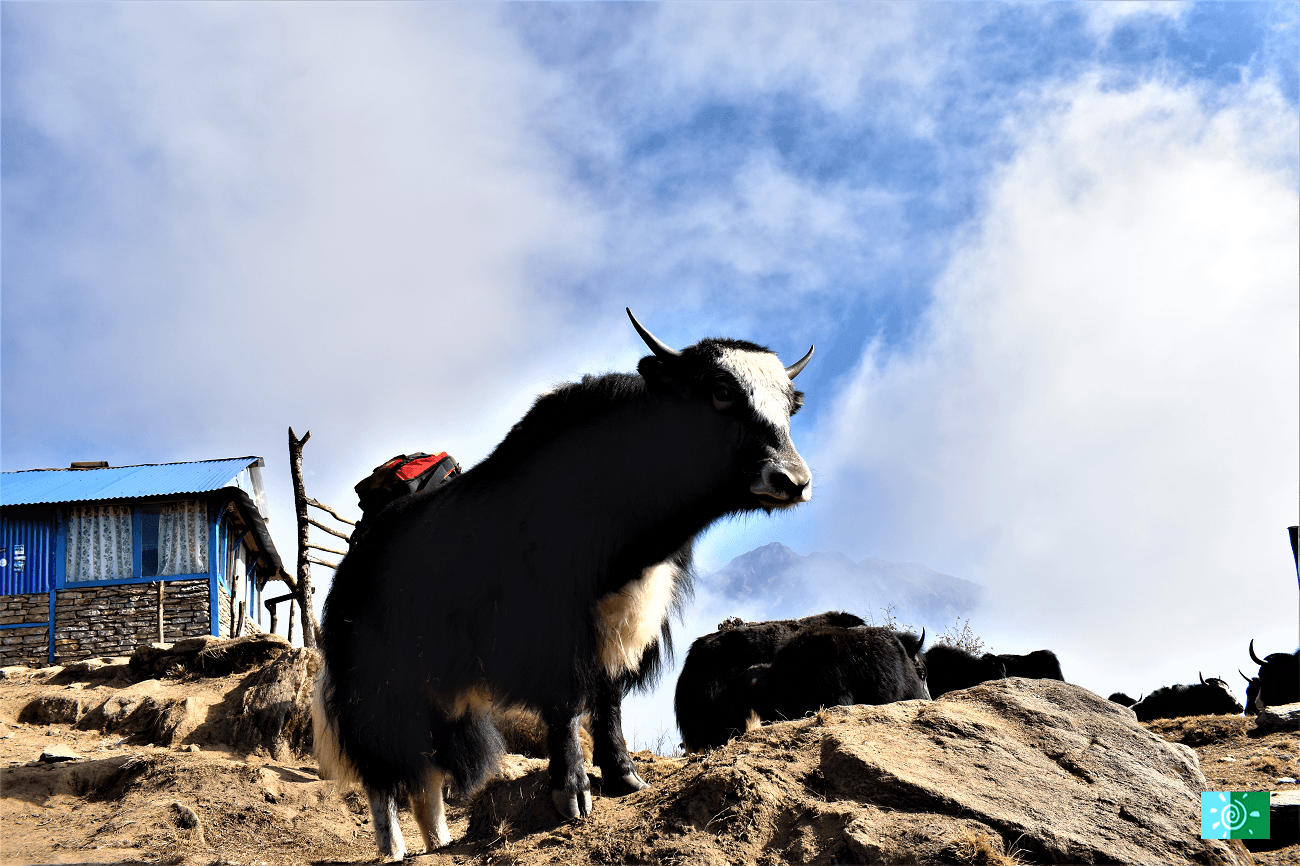
Before 2012, only yak herders and campers could access the Mardi Himal area. Since the trail officially opened, small teahouses and family run lodges have made the Mardi Himal Trek more comfortable and accessible. Yet, the trek still retains its wild, untouched character.

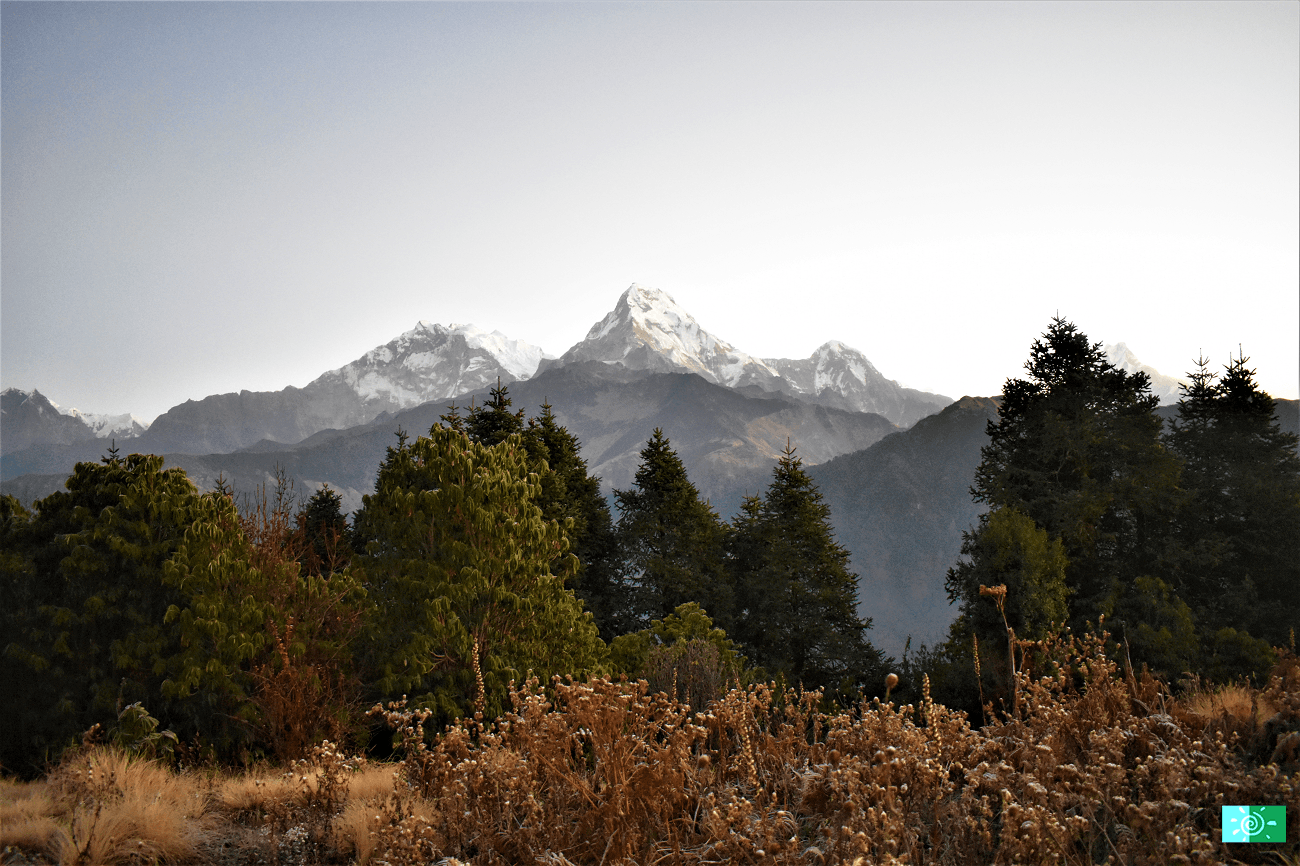
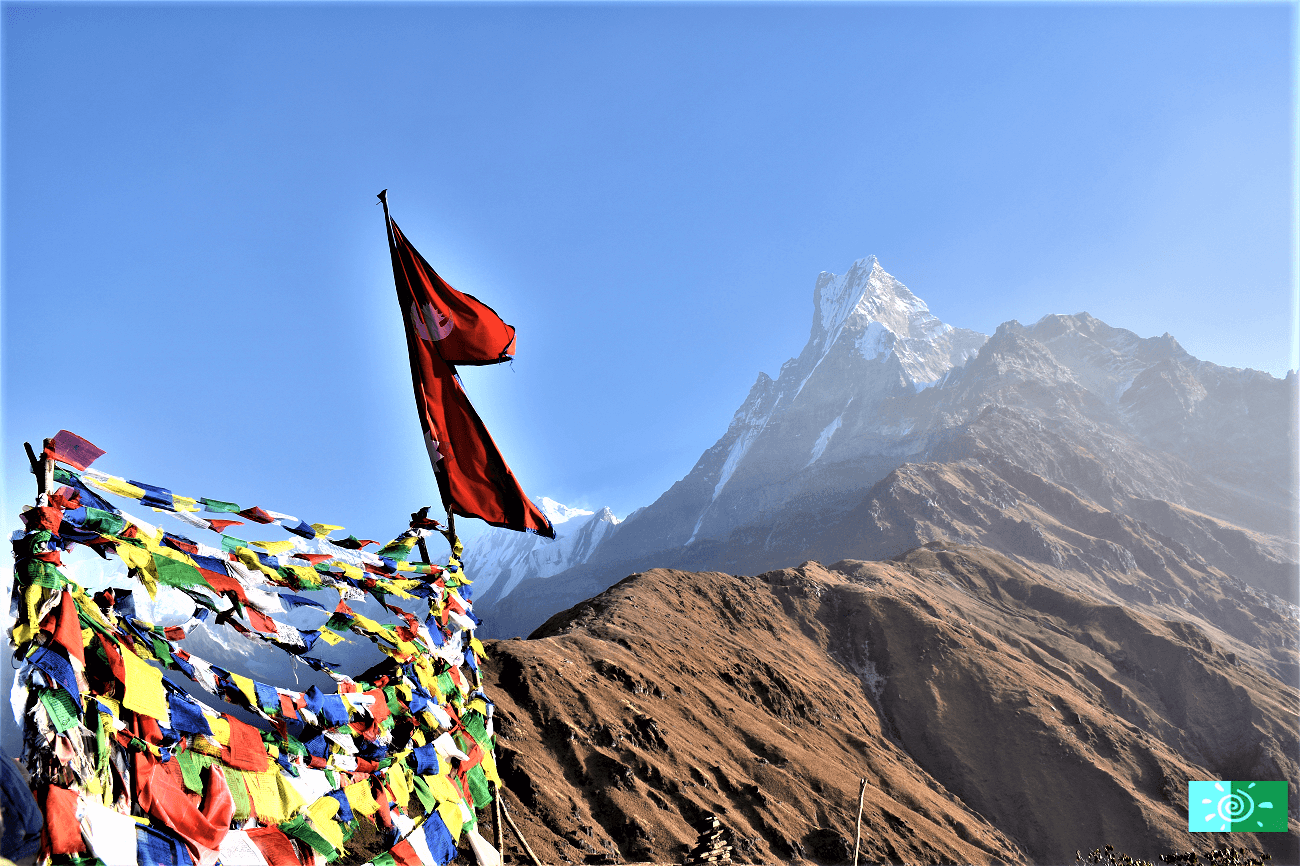
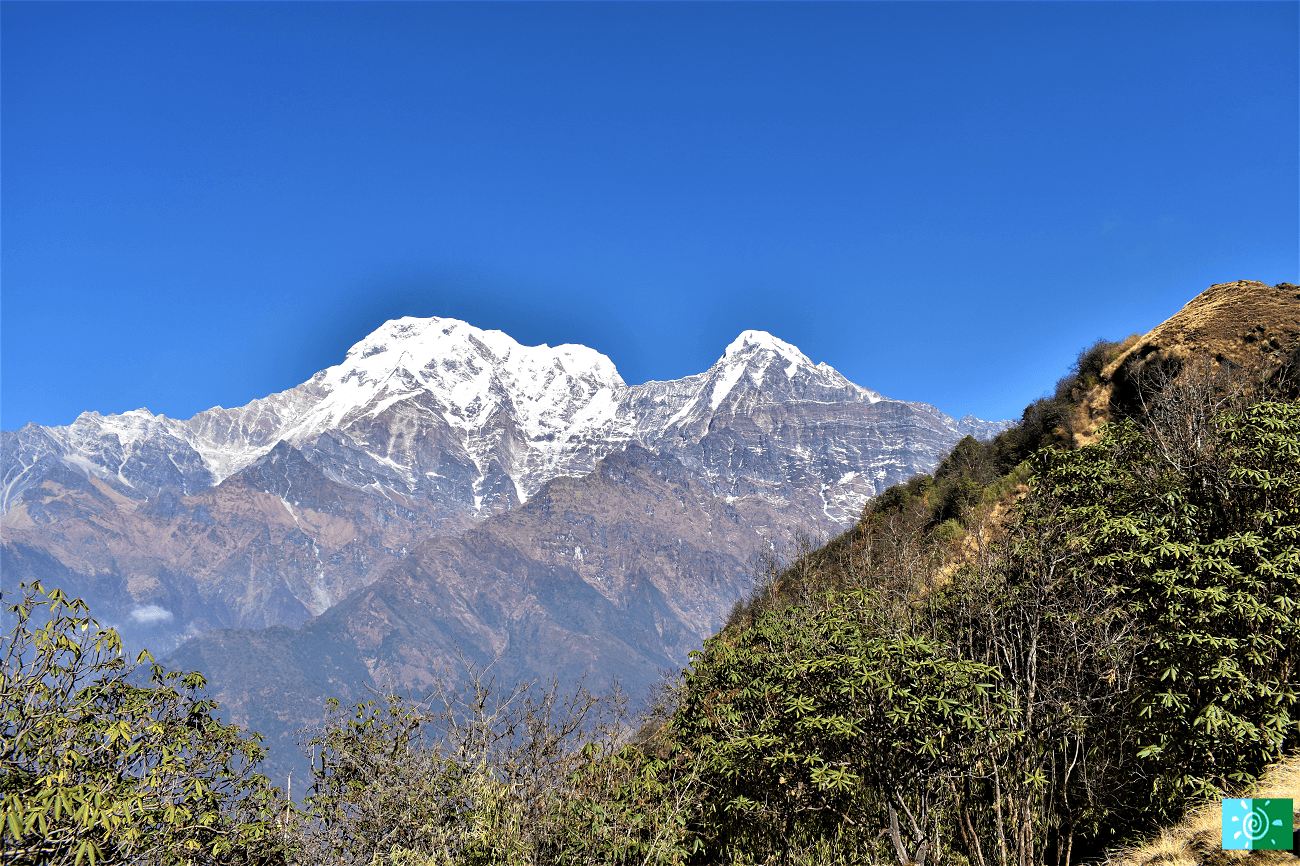
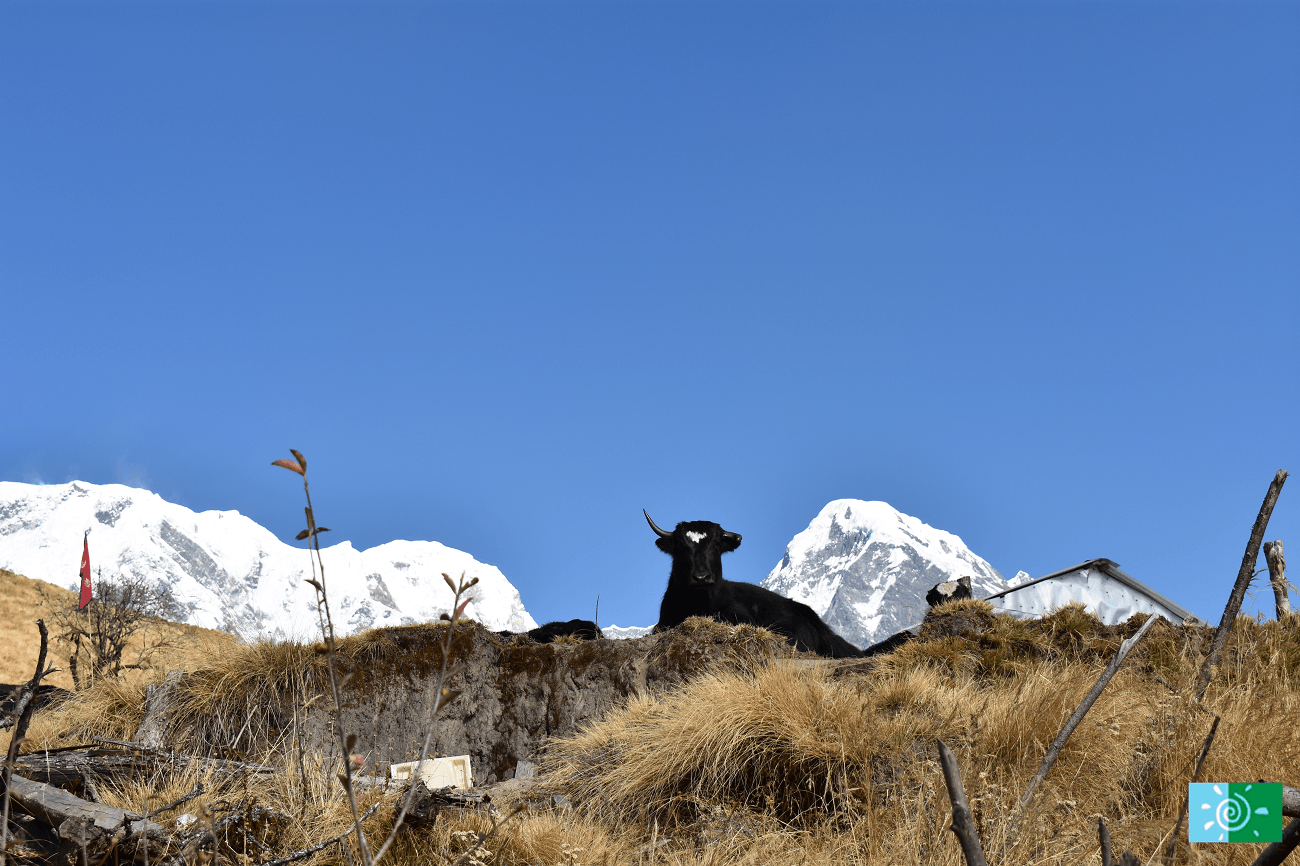
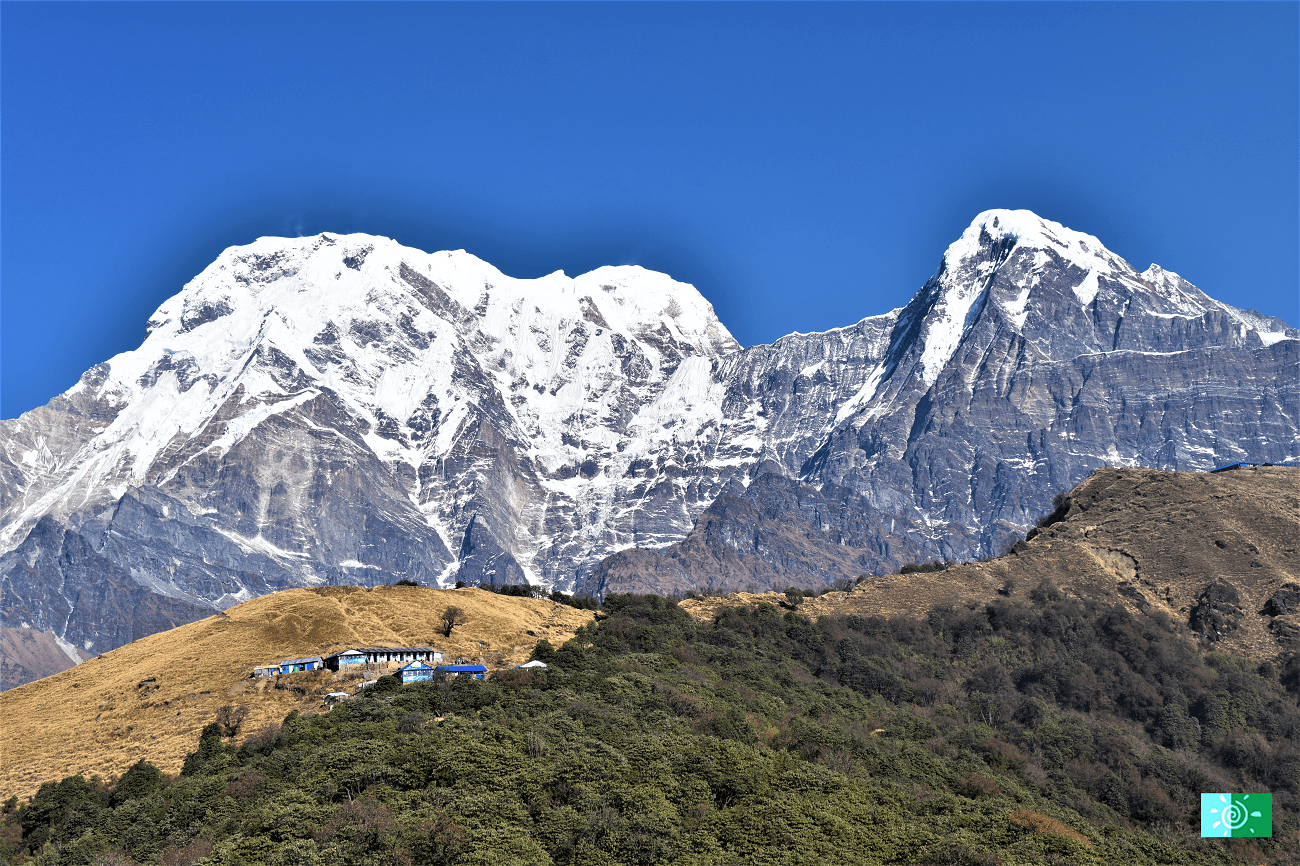
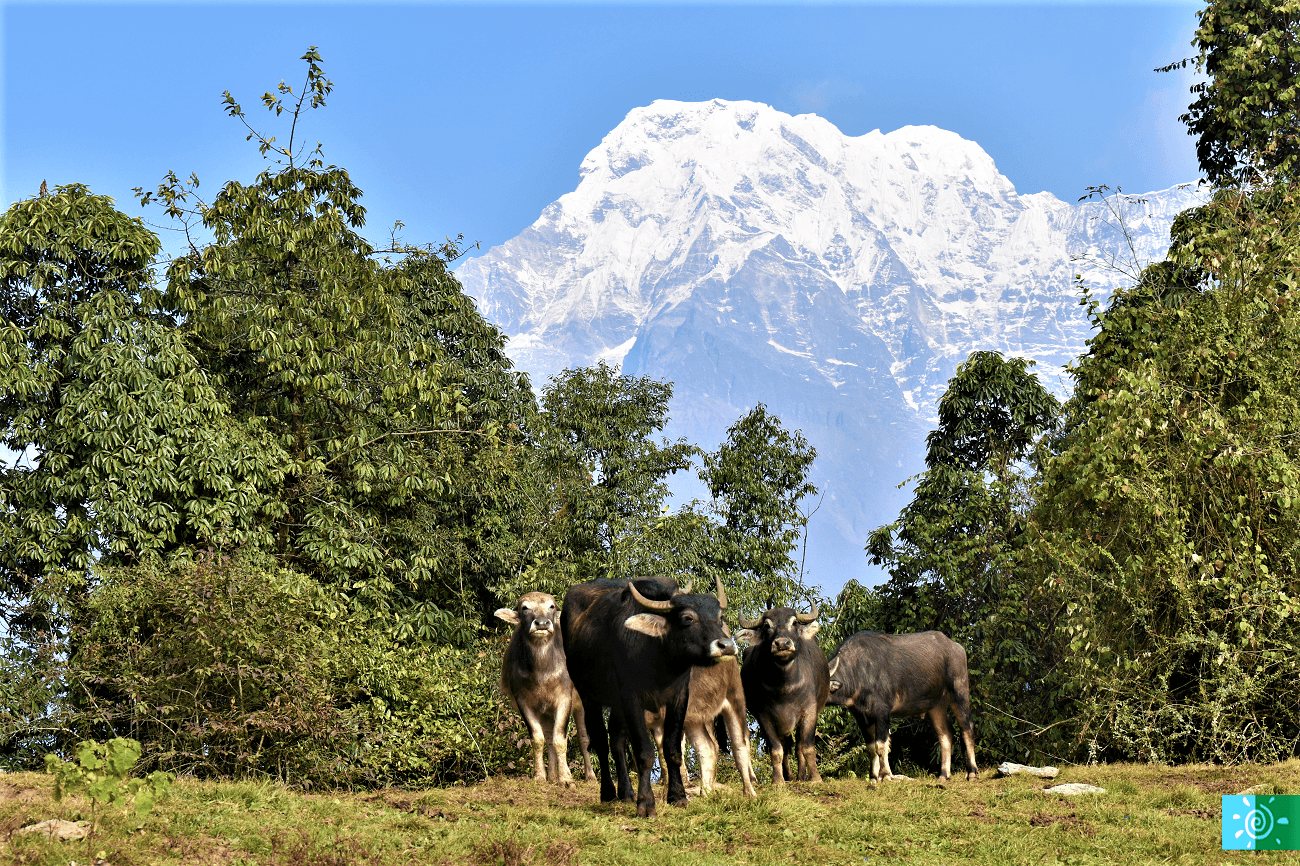
On the Mardi Himal Trek, you’ll hike through dense rhododendron forests, high ridges, and remote alpine pastures. The views are breathtaking, with clear sights of Annapurna South, Hiunchuli, Gangapurna, and Machhapuchhre. The trek culminates at Mardi Himal View Point, 4,200 meters above sea level, where you’ll experience the Himalayas up close.

The Mardi Himal Trek is more than a scenic hike, it offers an authentic glimpse into Nepali mountain life. You’ll pass through traditional Gurung and Magar villages, where warm hospitality is part of daily life. Staying in locally run teahouses adds a cultural and personal touch to your journey. Each day of the Mardi Himal Trek brings new interactions, from sharing meals to hearing local stories by the fire, creating an unforgettable Himalayan adventure.

Why Choose Nepal Sanctuary Treks for Your Mardi Himal Trek?

With Nepal Sanctuary Treks, your Mardi Himal Trek is fully customized to match your preferences, fitness level, and travel style. As a Travelife Certified company, we prioritize sustainable tourism and actively support local communities through eco-friendly practices and partnerships.

We keep group sizes small to provide personalized service. Our expert guides focus on your comfort, safety, and cultural experiences throughout the Mardi Himal Trek.

Most nights are spent in simple, locally owned teahouses, offering an authentic Himalayan experience while immersing you in Nepali mountain culture.

Discover why travelers choose Nepal Sanctuary Treks   for a memorable and safe Mardi Himal Trek adventure.

Note: The trekking hours, altitudes, and distances mentioned are approximate and meant for general guidance only.


Trip Itinerary

Day 01: Arrive at Kathmandu airport

Altitude above sea level: 1,302 m / 4,269 ft.
Driving Time: Approximately 30 minutes (depending on traffic)
Accommodation: Hotel Tibet or similar

Upon arrival at Tribhuvan International Airport in Kathmandu, you will be warmly welcomed by our representative holding a “Nepal Sanctuary Treks” placard.

You will then be transferred to your hotel in a private vehicle. After checking in and freshening up, our representative will meet you to provide a detailed briefing on your upcoming itinerary, along with important safety guidelines and hygiene practices to ensure a smooth and enjoyable trek.

Day 02: Cultural Introductory Tour and Trek preparation

Altitude above sea level: 1,302 m / 4,269 ft.
Tour Duration: Approximately 8 hours
Accommodation: Hotel Tibet or similar
Meals Included: Breakfast

9:00 AM – Guided Cultural Tour of Kathmandu Valley
Start your day with a guided cultural tour of Kathmandu Valley, exploring the city with expert guides who will share insights into its rich history and heritage.

Kathmandu Durbar Square
Visit Kathmandu Durbar Square (Hanuman Dhoka Durbar), a royal historical complex filled with temples, palaces, and shrines dating back to the 15th century. Highlights include Kumari Ghar, the residence of the living goddess, and Kasthamandap, an architectural marvel constructed from a single tree.

Swayambhunath (Monkey Temple)
Next, head to Swayambhunath, also known as the Monkey Temple, a sacred site for both Hinduism and Buddhism. Admire the striking white dome and golden spire while soaking in the serene atmosphere of incense, prayer wheels, and panoramic city views.

Boudhanath Stupa
In the afternoon, visit the massive Boudhanath Stupa, a UNESCO World Heritage Site and spiritual center of Tibetan culture. Witness colorful prayer flags fluttering in the wind, monks performing rituals, and devotees chanting “Om Mani Padme Hum.”

Pashupatinath Temple
Conclude your tour at Pashupatinath Temple, one of Hinduism’s most sacred sites, situated along the Bagmati River. Here, observe profound spiritual rituals, including the moving sight of open-air cremations, which hold deep cultural and religious significance. After this immersive experience, you will return to your hotel.

Day 03: Flight to Pokhara – Drive Phedi - Hike Pothana

Altitude above sea level: 1,890 m / 6,201 ft – Pothana
Flight Duration: Approx. 25 minutes
Driving Duration:  Approx. 1 hour
Hiking Duration: Approx. 4 hours (7.23 km / 4.5 mi)
Ascent: 918 m / 3,012 ft.
Descent: 103 m / 338 ft.
Accommodation: Tea House Lodge
Meals: Breakfast, Lunch, Dinner

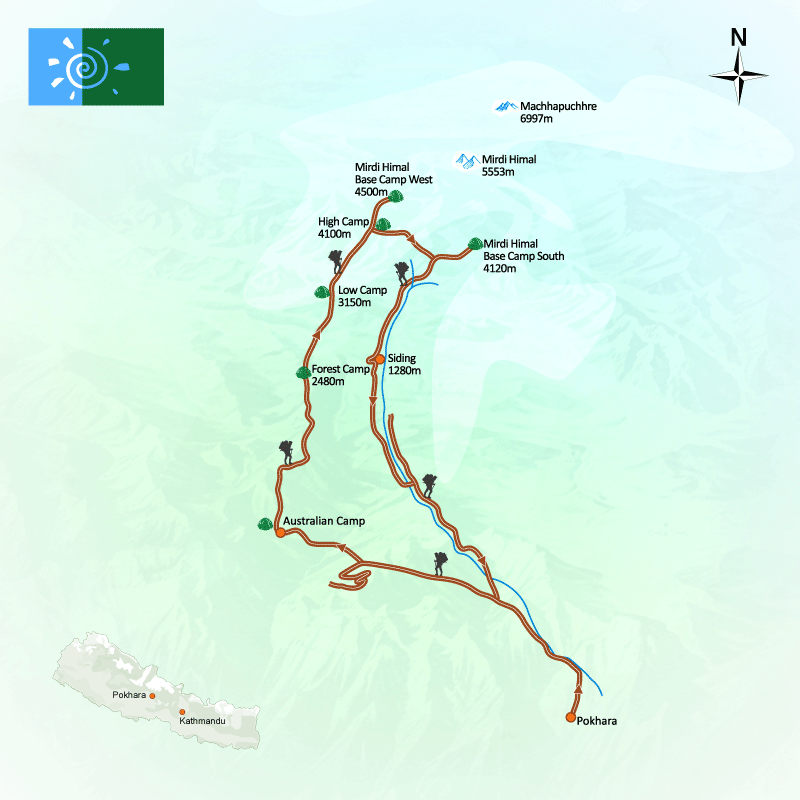
After a hearty breakfast, take a short scenic flight from Kathmandu to Pokhara. From Pokhara, drive to the trek’s starting point at Phedi. Begin your hike along stone stairways through lush forests of oak, magnolia, rhododendron, and pine.

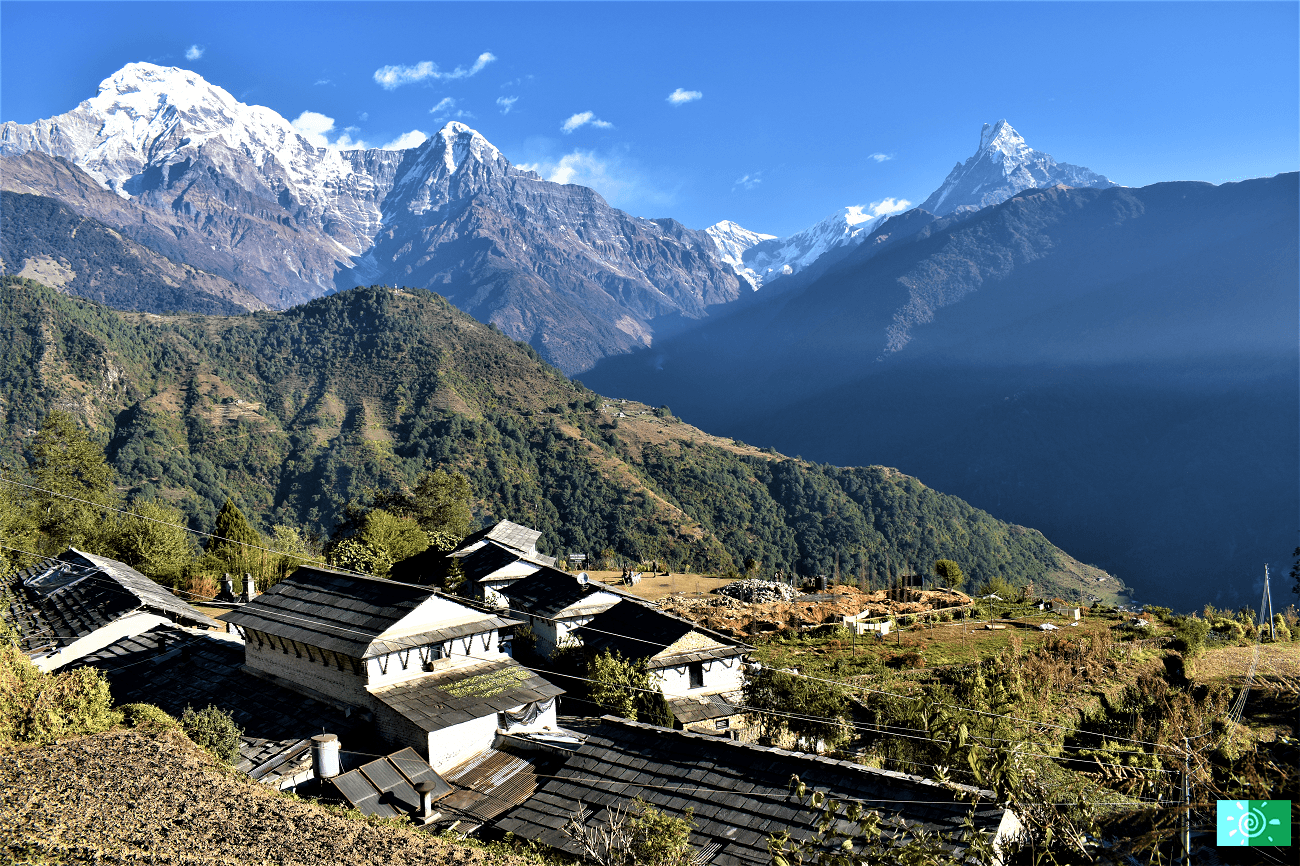
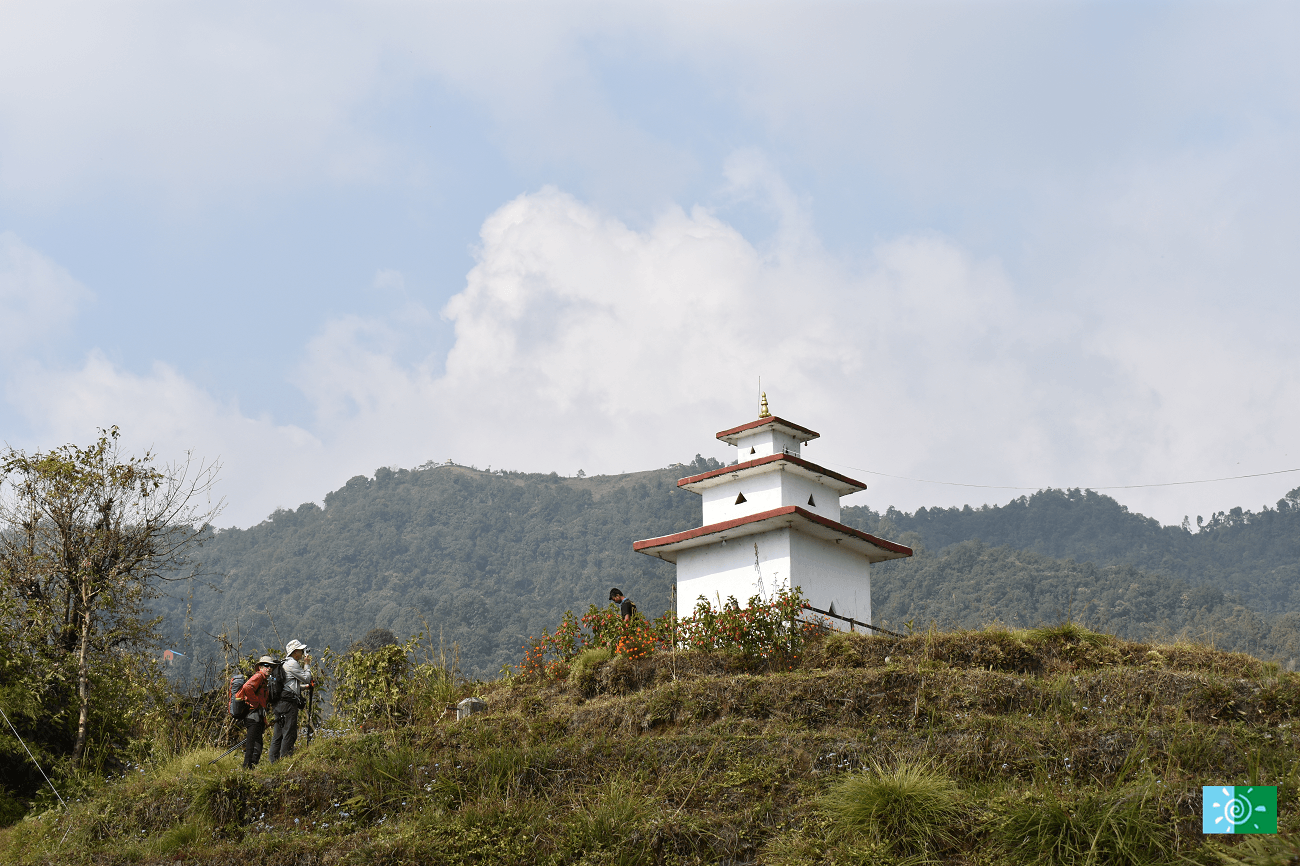
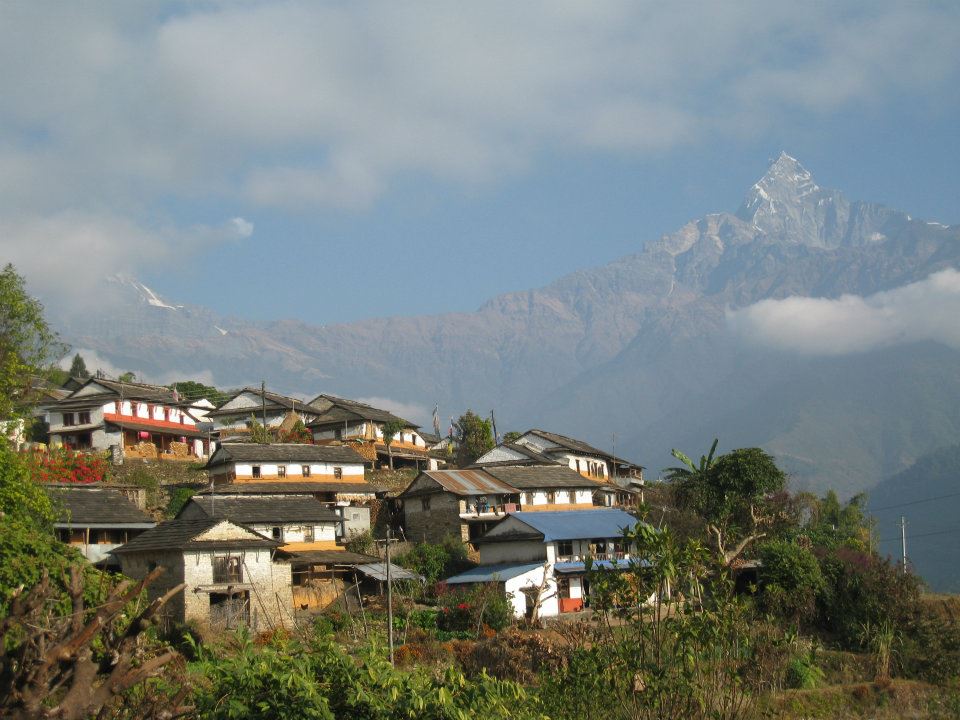
Reach Dhampus, a charming Gurung village offering stunning views of Machhapuchhre (Fishtail Mountain) and the Annapurna range. Enjoy the fresh mountain air and panoramic scenery here.

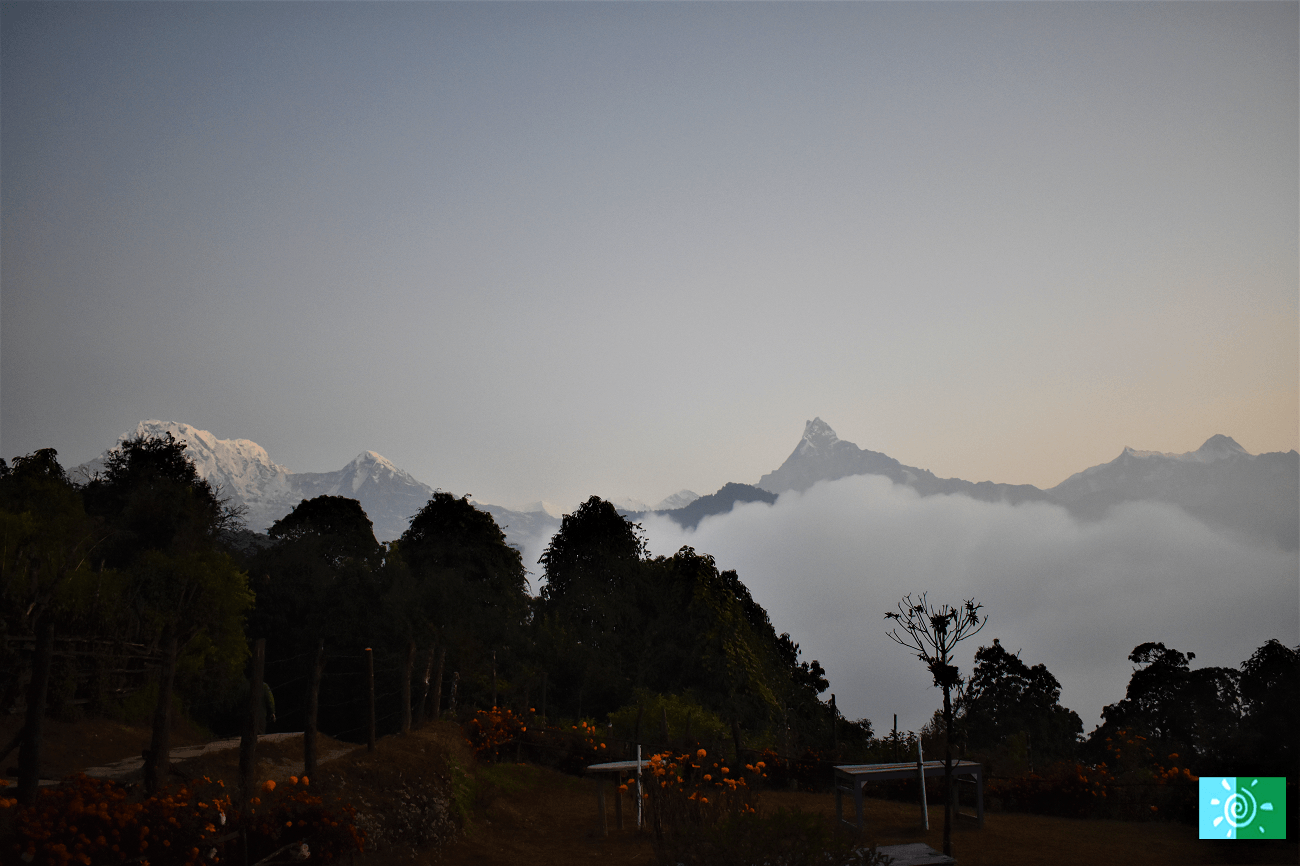
Continue ascending to the picturesque Pothana village. The village provides sweeping views of Machhapuchhre and surrounding Himalayan peaks. In spring, vibrant red rhododendron blossoms add color to the alpine landscape, creating an unforgettable experience.

Spend the night at a cozy tea house lodge in Pothana, soaking in the tranquil village atmosphere and breathtaking mountain vistas.

Day 04: Trek to Kokar (Forest Camp)

Altitude above sea level: 2,554 m / 8,379 ft. – Kokar
Hiking Duration: Approx. 6 hours (8.3 km / 5.1 mi)
Ascent: 700 m / 2,297 ft.
Descent: 150 m / 492 ft.
Accommodation: Tea House Lodge
Meals: Breakfast, Lunch, Dinner

Wake up refreshed to the soothing sounds of birds and the aroma of local breakfast and tea. Begin your morning by enjoying a stunning sunrise over the mountains from Pothana.

After breakfast, start your trek with a steep ascent through dense forests, accompanied by spectacular views of the Dhaulagiri and Annapurna ranges. Look out for exotic birds and wildlife along the trail.

Pause for lunch at Pritam Deurali (2,100m), where the trail branches off from the main Annapurna Sanctuary Trek. From here, the route becomes quieter with fewer trekkers.

After lunch, continue hiking to Forest Camp (Kokar). This peaceful village is nestled deep within thick forests, offering cool shade and fresh, organic mountain air. The name “Forest Camp” perfectly captures the serene atmosphere of this hidden gem.

Day 05: Trek to Low Camp

Altitude above sea level: 3,150 m / 10,335 ft. – Low Camp
Hiking Duration: Approximately 4–5 hours (5 km / 3.1 mi)
Ascent: 400 m / 1,312 ft.
Descent: 100 m / 328 ft.
Accommodation: Tea House Lodge
Meals: Breakfast, Lunch, and Dinner

Start your day with a hearty breakfast before continuing your trek toward Low Camp.

The trail passes through a lush cloud forest of rhododendron, oak, and maple, often cloaked in mist and moisture. The path climbs steadily but is gentler compared to other sections of the trek.

As you approach Low Camp, the forest begins to open, revealing natural gaps that frame your first breathtaking views of Machhapuchhre (Fishtail Mountain) and Annapurna South.

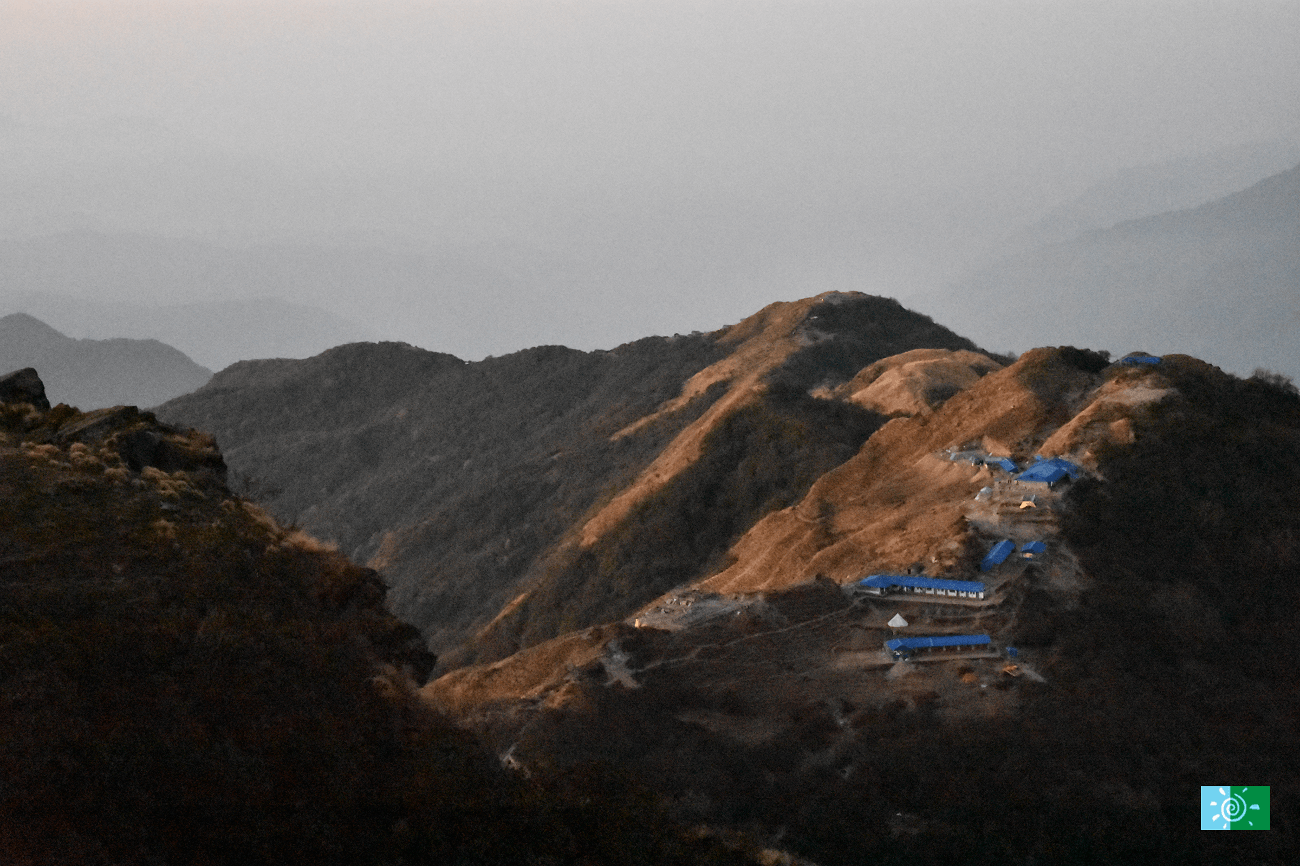
Low Camp itself is a small clearing at the treeline, with a few basic teahouses. It provides an ideal spot to rest, soak in the scenery, and prepare for the next stage of the Annapurna adventure.

Day 06: Trek to High Camp via Badal Danda

Altitude above sea level: 3,600 m / 11,811 ft.– High Camp
Hiking Duration: 4–5 hours (5.1 km / 3.2 mi)
Ascent: 527 m / 1,729 ft.
Descent: 50 m / 164 ft.
Accommodation: Tea House Lodge
Meals: Breakfast, Lunch, Dinner

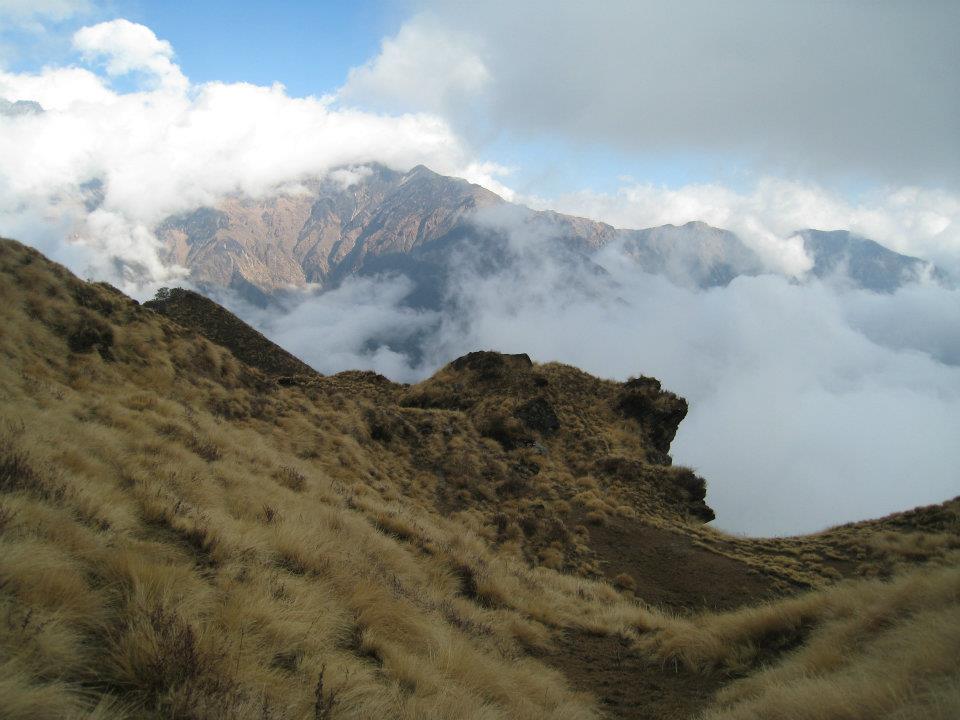
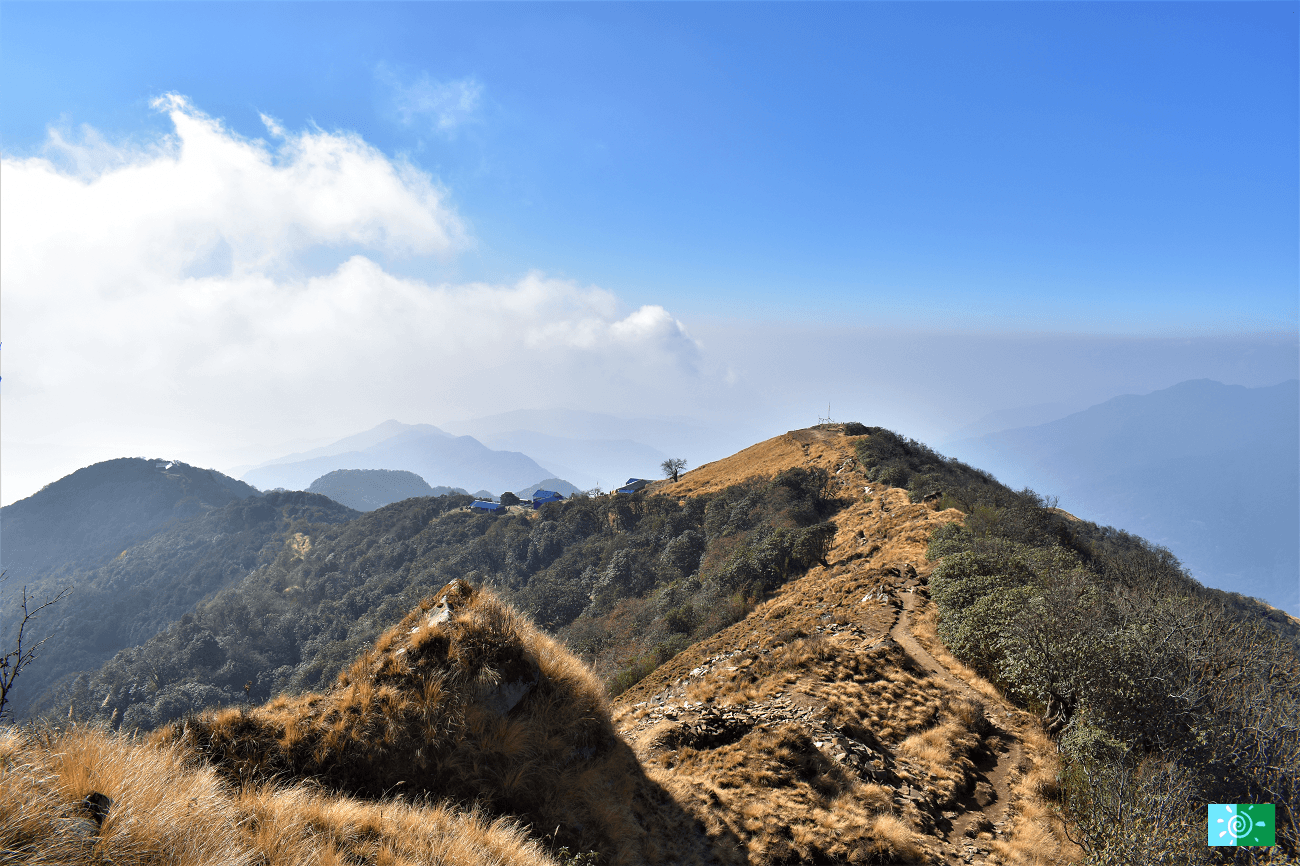
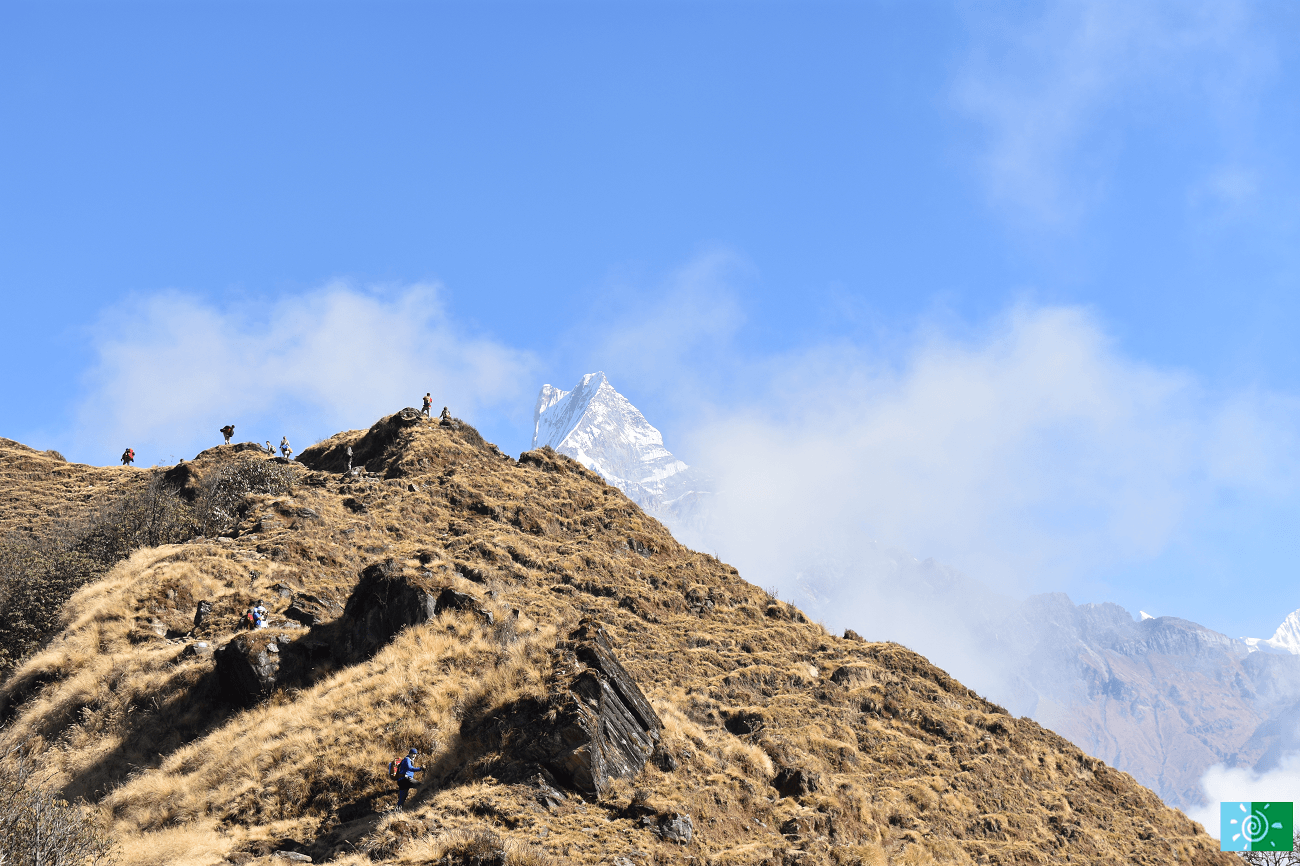
After a hearty breakfast, continue your Annapurna trek toward High Camp. The trail begins in the rhododendron forest and gradually opens onto grassy slopes and alpine scrubland.

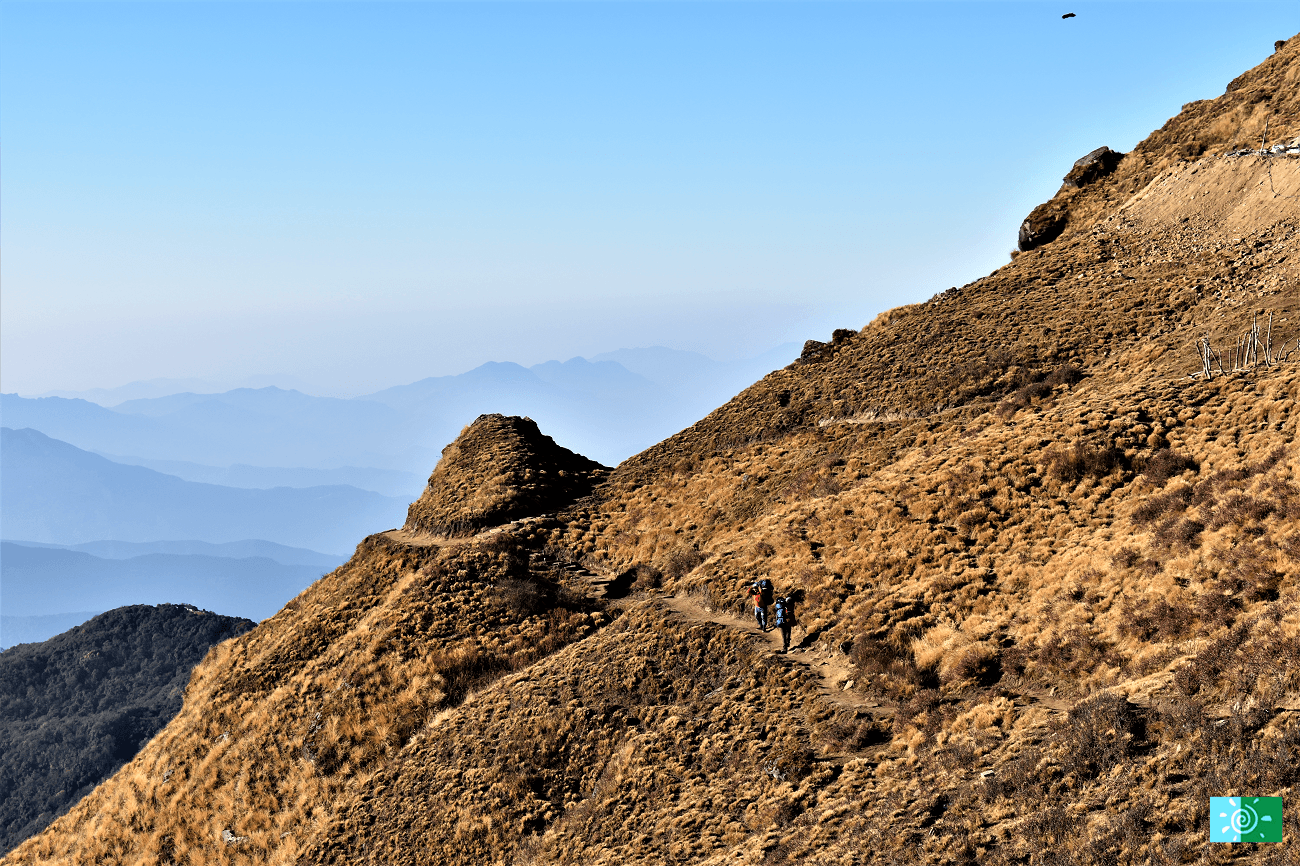
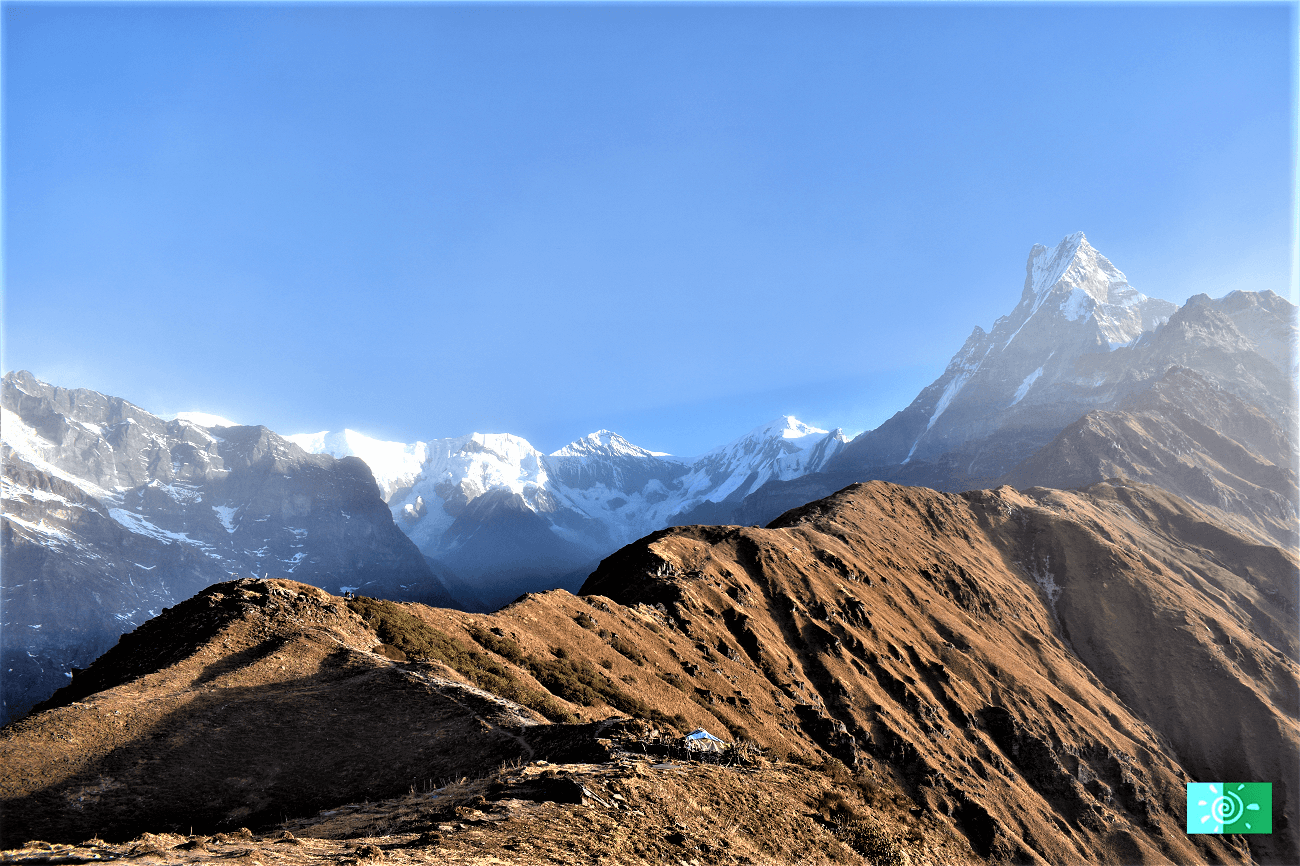
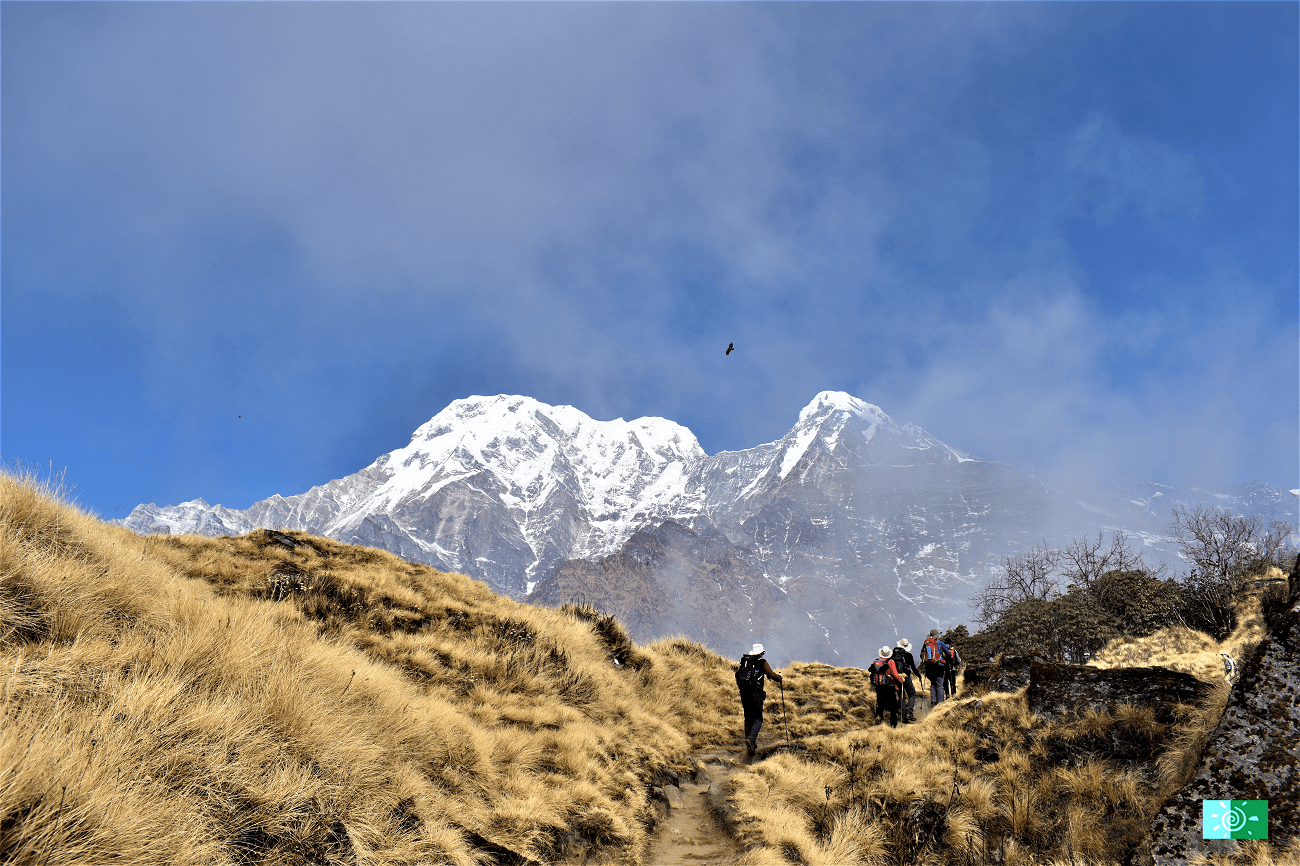
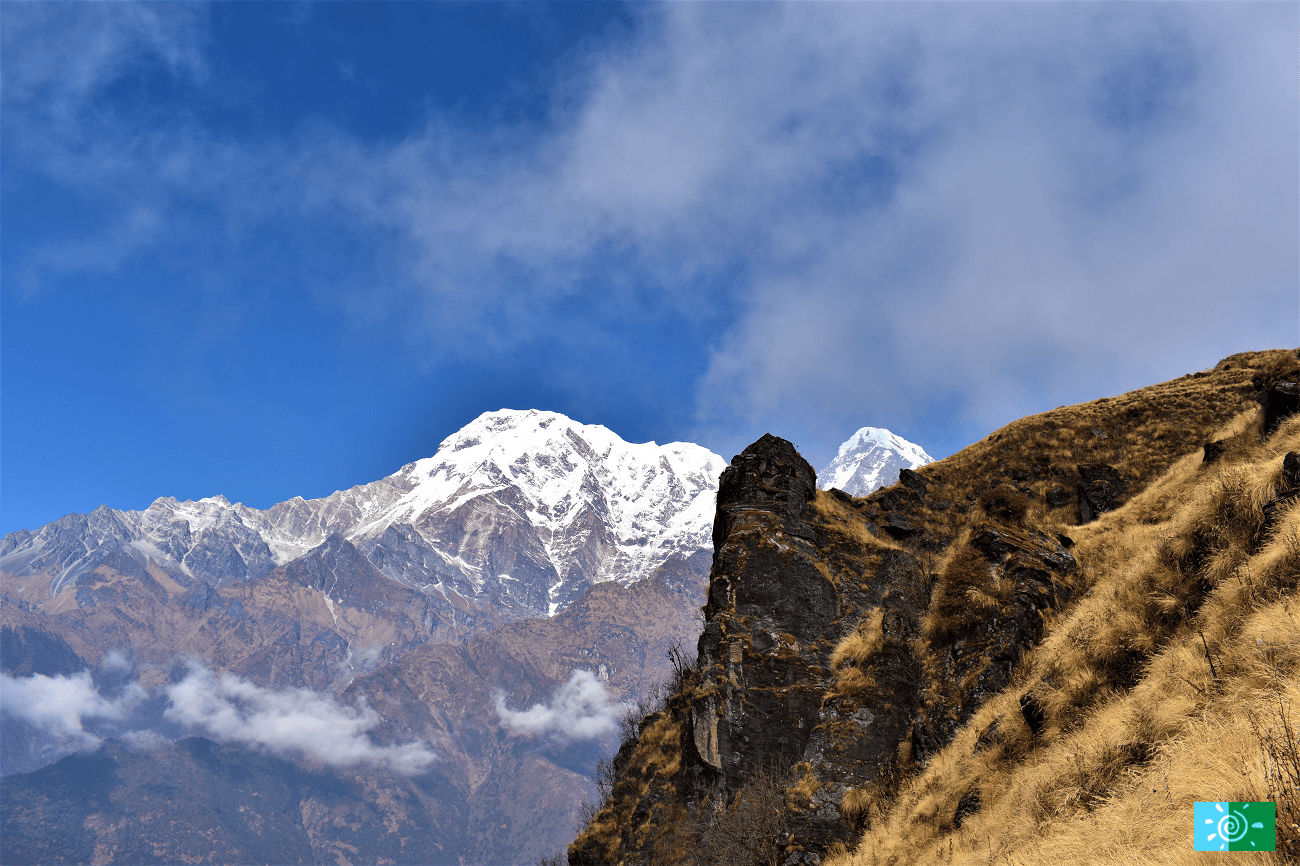
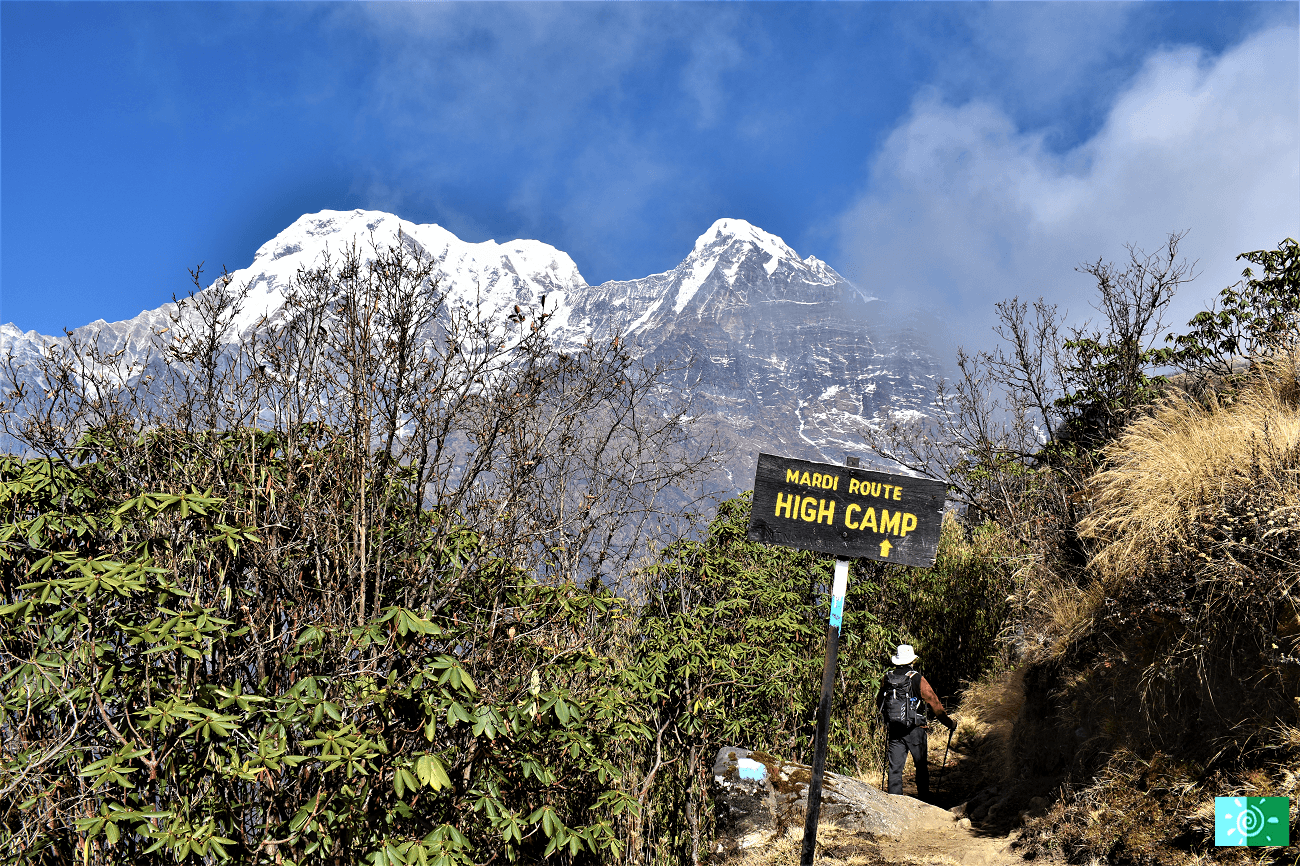
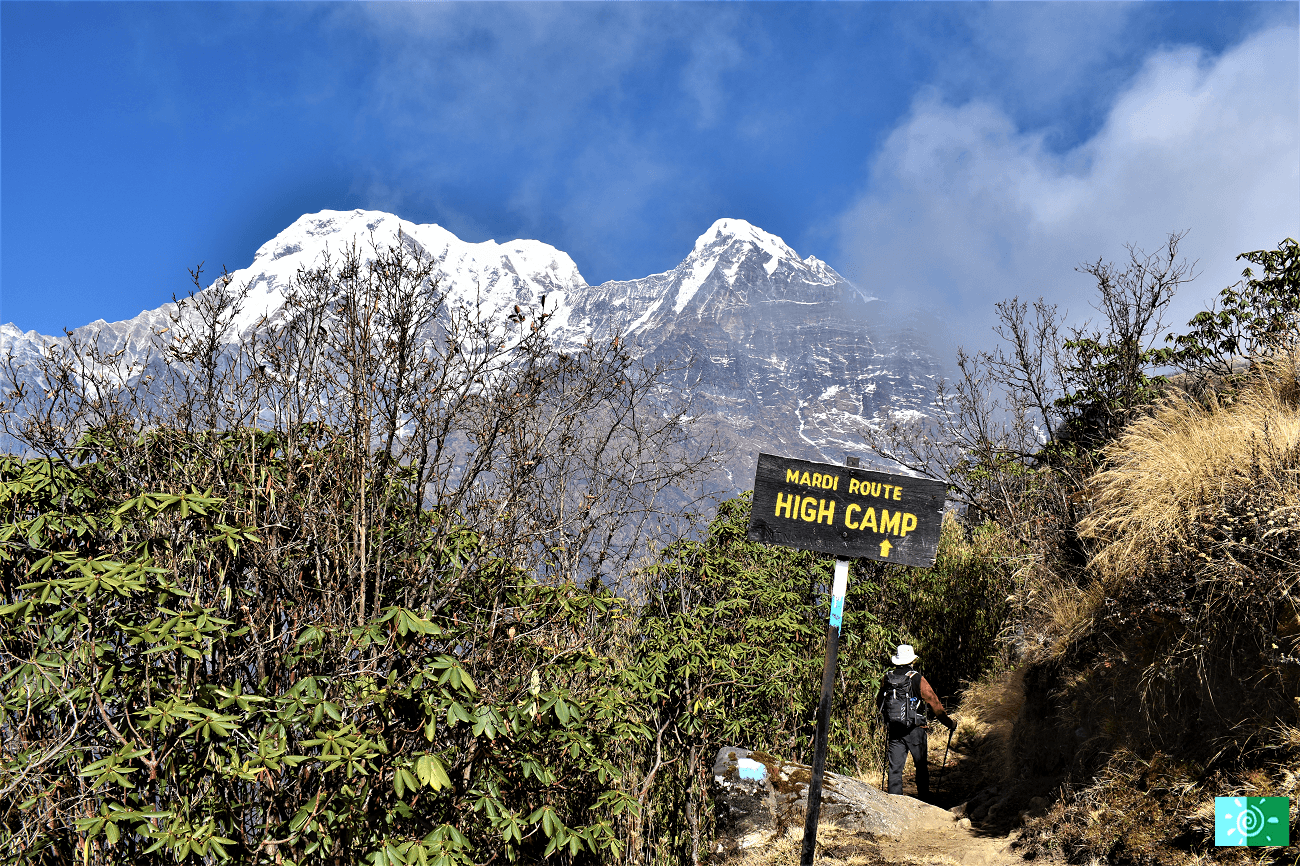
As you progress, the path becomes a narrow, exposed ridgeline, offering panoramic views of the Annapurna range. You will witness the majestic Annapurna South, Hiunchuli, and the iconic Machhapuchhre (Fishtail Mountain) up close.

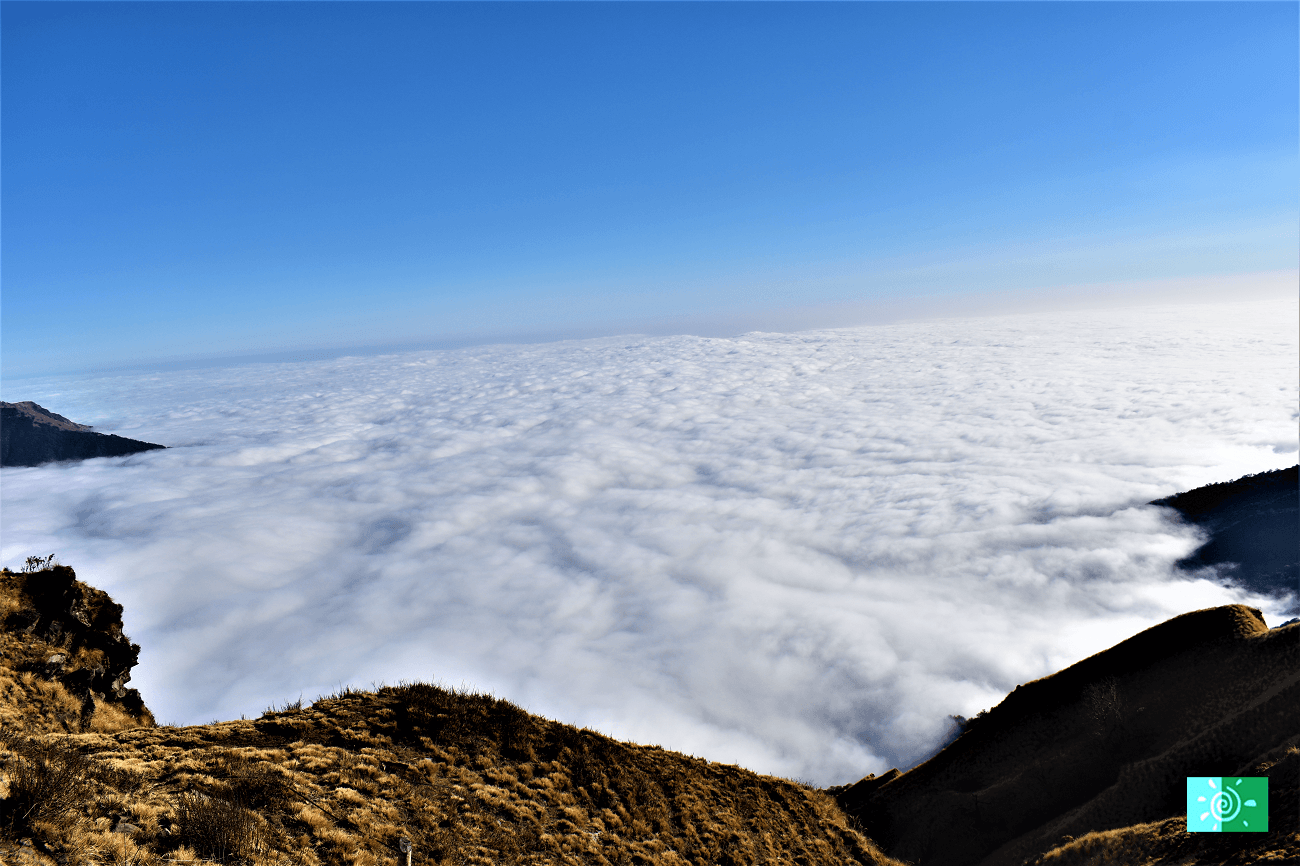
Along the way, stop at Badal Danda (Cloud Hill) at 3,210 m / 10,531 ft, where you can enjoy spectacular views often floating above the clouds.

The terrain can be rocky and steep in places, so steady footing is essential. High Camp is the last teahouse before the early morning hike to the Mardi viewpoint, making it an ideal place to rest, soak in the mountain scenery, and prepare for the final ascent.

Day 07: Hike to Upper viewpoint-High Camp-Trek back to Low Camp

Altitude above sea level:4,200 m / 13,780 ft. – Upper View Point
Hiking Duration: 7–8 hours (18 km / 11.5 mi)
Ascent: 831 m / 2,727 ft.
Descent: 1,350 m / 4,429 ft.
Accommodation: Tea House Lodge
Meals: Breakfast, Lunch, Dinner

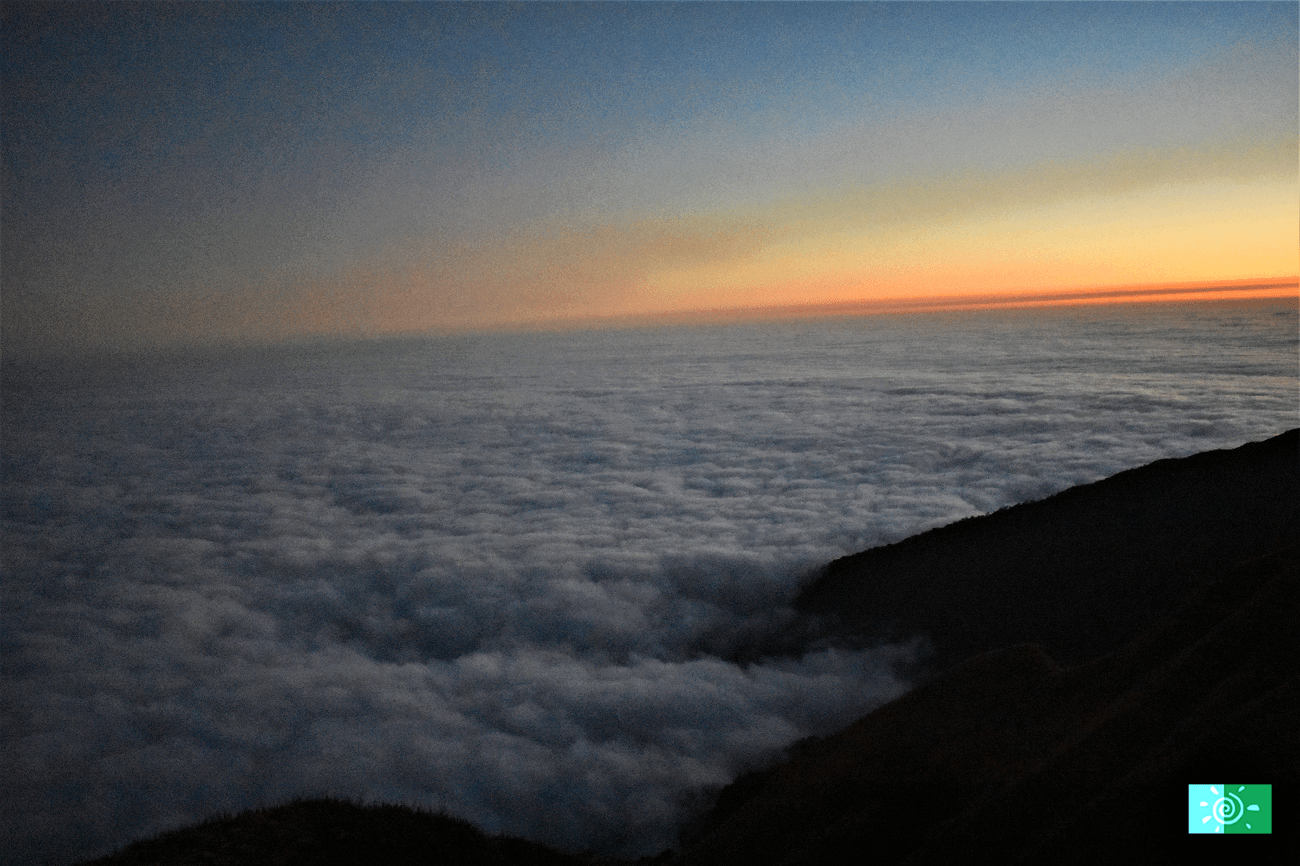
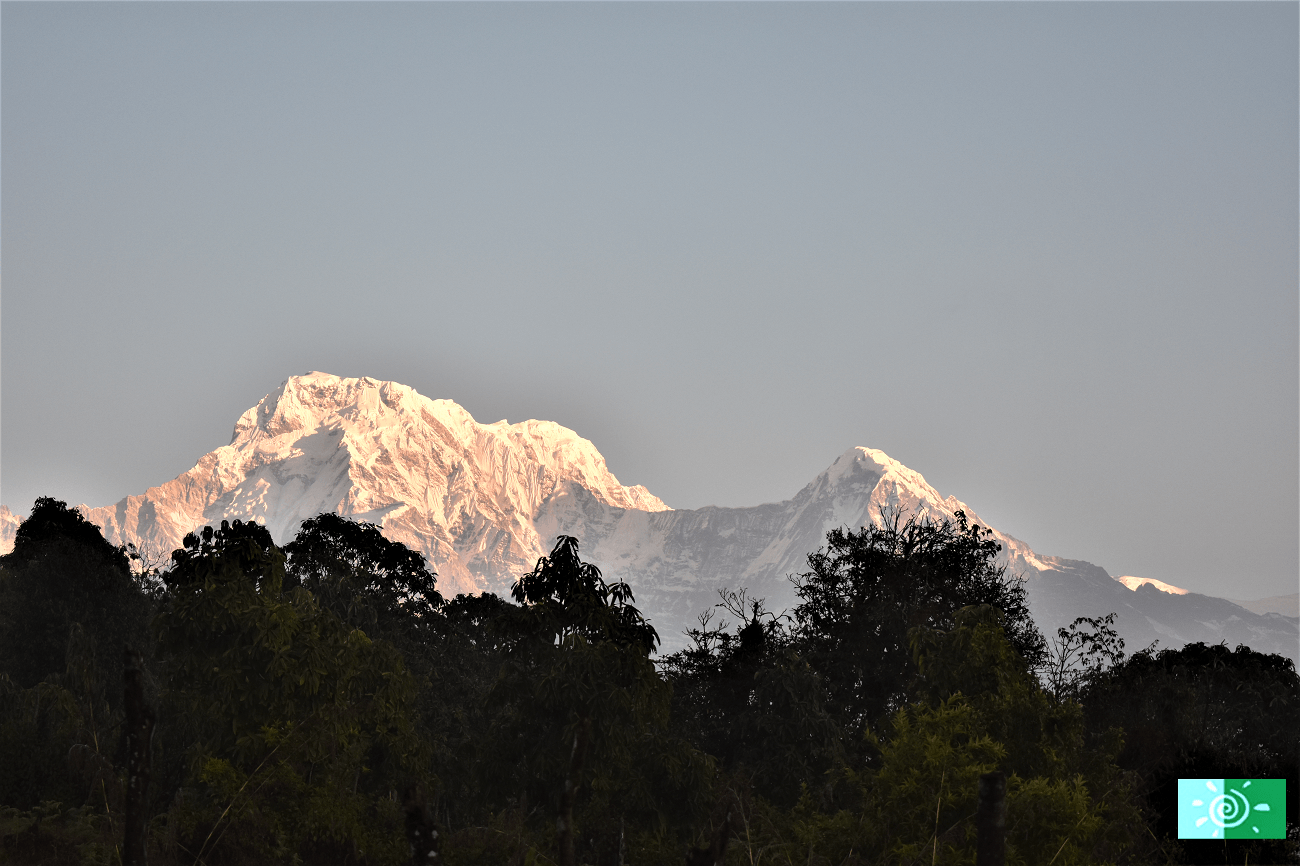
Wake up early to experience a breathtaking Himalayan sunrise, as golden light illuminates the snow-capped peaks surrounding you. The mountains along the ridge appear closer and more majestic than ever.

Start your ascent along a steep, narrow trail winding through alpine meadows toward the Upper View Point. Enjoy rolling hills behind you and the crisp, fresh mountain air along the way.

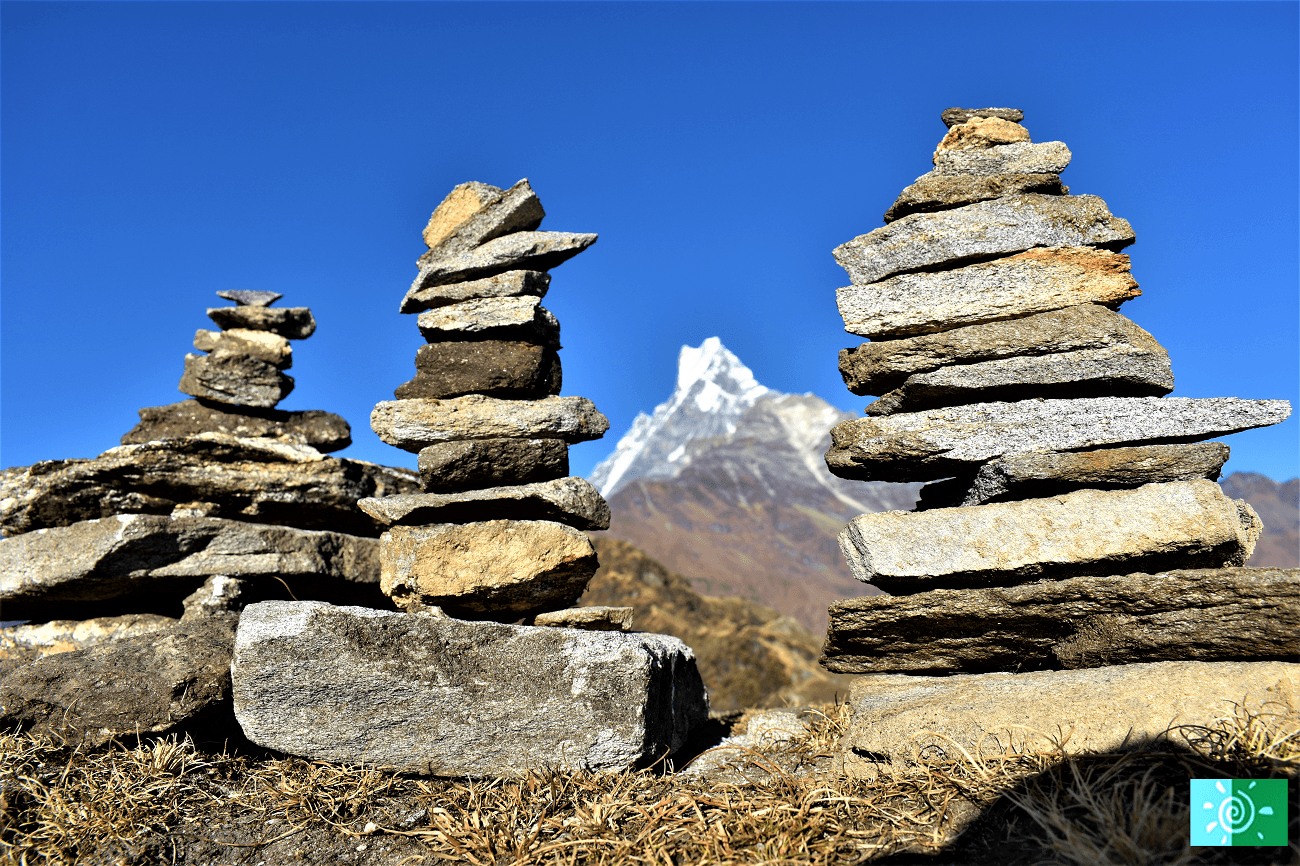
At the viewpoint, soak in panoramic vistas of the Annapurna Sanctuary, Mardi Himal, Annapurna I, Machhapuchhre (Fishtail Mountain), and Himchuli. Take a tea, capture stunning photographs, and take in the serene alpine beauty.

After admiring the views, descend back to High Camp for lunch. Then continue downhill to Low Camp, concluding a full and rewarding day of trekking in the heart of the Annapurna region.

Day 08: Trek to Siding village- Drive Pokhara

Altitude above sea level: 825 m / 2,707 ft.– Pokhara
Hiking Duration: Approximately 3–4 hours (6.1 km / 3.8 mi)
Ascent: 25 m / 82 ft.
Descent: 1,280 m / 4,199 ft.
Driving Duration: Approximately 3 hours
Accommodation: Mount Kailash Resort or similar
Meals: Breakfast, Lunch

After a hearty breakfast, begin your descent through shaded, dense forests toward Siding Village, located at 1,700 m. Leaving the grassy highlands behind, the trail gently winds downhill, offering scenic views of the surrounding hills and natural beauty.

Siding Village is a picturesque Gurung settlement, renowned for its peaceful atmosphere and warm hospitality. Nestled among lush hills, the village offers an authentic glimpse into traditional mountain life and local culture.

Upon reaching Siding, transfer by private vehicle to Pokhara. Check into your hotel and enjoy some leisure time exploring this vibrant city. You can stroll along Phewa Lake, visit local markets, or simply relax while soaking in the serene lakeside views.

Day 09:  Flight to Kathmandu

Altitude above sea level: 1,302 m / 4,272 ft. – Kathmandu
Flight Duration: Approximately 25 minutes
Accommodation: Hotel Tibet or similar
Meals: Breakfast

After breakfast, board a short flight back to Kathmandu. Upon arrival, check in to your hotel and enjoy some free time to relax. You can browse local shops for souvenirs or simply unwind and reflect on your unforgettable adventure.

Day 10: Final Departure

Meal: Breakfast

As your unforgettable journey comes to an end, it’s time to fly back home, cherishing all the incredible memories of Nepal. A representative from Nepal Sanctuary Treks will transfer you to Tribhuvan International Airport (TIA). Please make sure to check in 3 hours prior to your scheduled flight for a smooth departure.

Price Included

What's Included

  • Private Airport transfers,
  • Private transfer to/from trek point
  • Internal flight KTM-PKR-KTM
  • Guided Kathmandu sightseeing tour with entrance fees
  • 3 nights in Hotel Tibet or similar in Kathmandu with breakfast
  • 1-night in Mount Kailash Resort or similar in Pokhara with breakfast
  • Tea house lodge on full board during the trek
  • Trek Permits & National Park Fee,
  • Staff insurance on the trek,
  • Trek guide & porter/s
  • Duffel bag
  • Map

What's not Included

  • Lunch and Dinner in Kathmandu, Pokhara (approx. US$ 20 per day)
  • Beverages
  • Personal equipment,
  • Personal bills,
  • International airfare
  • Excess baggage beyond 15 kilos, including day pack
  • Visa fees
  • Insurance (for cancellation, accident, health, emergency evacuation and loss, theft of or damage to baggage and personal effects), Public Liability
  • Tips

Trip Important Notes

What to Pack for Mardi Himal Trek

Footwear:

  • Walking boots. A pair of water-repellent boots with ankle support.
  • Walking socks.
  • Yaktrax
  • Trainers or trail shoes. Can be used in and around the lodge in the afternoons/evenings.

Clothing:

  • Waterproof jacket and trousers (Gore-Tex or similar).
  • Trekking trousers.
  • Long sleeve shirts (not cotton).
  • Mid to heavyweight fleece.
  • Sleeveless or body warmer type fleece.
  • Thermals or base layer for top & bottom (merino wool or synthetic).
  • Fleece pants.
  • Medium weight down jacket (e.g.: Nuptse jacket by The North Face).

Hand wear:

  • Fleece gloves.
  • Warms mittens and/or gloves.

Headwear:

  • Wool or fleece hat.
  • Sun hat.
  • Bandana or scarf.
  • Head torch. Bring extra batteries.
  • Sunglasses.

Personal Equipment:

  • Day pack (you’ll need during the day, such as warm clothes, a jacket, a camera, water bottles, snacks, and a personal first aid kit. Keep your daypack under 5 kg. A porter will transport the rest of your personal gear in a duffel or kit bag, which should not exceed 15 kg per trekker. Clearly mark your bag to help identify it easily.)
  • Stuff sacks for keeping your gear dry and organized.
  • Water bottles (Nalgene wide-mouth bottles are the best).
  • Sunscreen and lip salve with a high SPF.
  • Water purification tablets (Aqua Tab, Chlorine dioxide).
  • Favourite snack food.
  • Trekking poles (optional).
  • Camera with spare batteries and memory cards.
  • Insurance certificate.
  • Flash Light
  • Earplugs (optional).
  • Hand sanitizer 
  • Face Mask
  • Spare cash for extra expenses like hot shower, boiled water, gadget charging during trek

Traveling:

  • Bring a small combination padlock to secure the bag.
  • Travel clothes. You will need casual clothing for air travel days and time spent in Kathmandu.
  • Toiletry bags include toilet paper, soap, towel, toothbrush, etc.
  • Quick dry towel

Personal first aid kit: Note: Nepal Sanctuary Treks provides a comprehensive group first aid kit, but please bring personal medications and other items you might use regularly.

Mardi Himal Trek Temperature Guide (By Season & Elevation)

Understanding the Mardi Himal Trek temperature is essential for planning your trip. Weather conditions vary significantly by season, month, and altitude, so here’s a complete breakdown.

Spring (March – May)

During spring, the Mardi Himal Trek weather is stable and ideal for trekking.

  • Daytime Temperature: 10°C to 20°C
  • Night Temperature: 0°C to -10°C
  • Best for clear skies and rhododendron blooms

Autumn (Mid-September – November)

Autumn is the best season for Mardi Himal Trek with perfect visibility.

  • Daytime Temperature: 12°C to 22°C
  • Night Temperature: 8°C to -10°C
  • Dry trails and panoramic mountain views

Winter (December – February)

Winter brings colder conditions and fewer crowds.

  • Daytime Temperature: 0°C to 12°C
  • Night Temperature: -5°C to -15°C
  • Snowfall common at higher elevations

Monsoon (June – August)

Monsoon season means rain, humidity, and lush greenery.

  • Daytime Temperature: 15°C to 25°C
  • Night Temperature: 8°C to 15°C
  • Slippery trails and limited mountain views

Mardi Himal Trek Temperature by Elevation

Lower Altitudes (1,500m – 2,500m)

  • Warm and comfortable during the day
  • Day Temperature: up to 20°C–35°C (especially around Forest Camp)
  • Nights are cool but rarely freezing

High Camp (3,580m)

  • Noticeably colder with strong winds
  • Day Temperature: 5°C to 17°C
  • Night Temperature: -2°C to -15°C

Mardi Himal Base Camp (4,500m)

  • Coldest point of the trek
  • Typically 5°C–10°C colder than High Camp
  • Winter nights can drop below -15°C

Mardi Himal Trek Accommodation

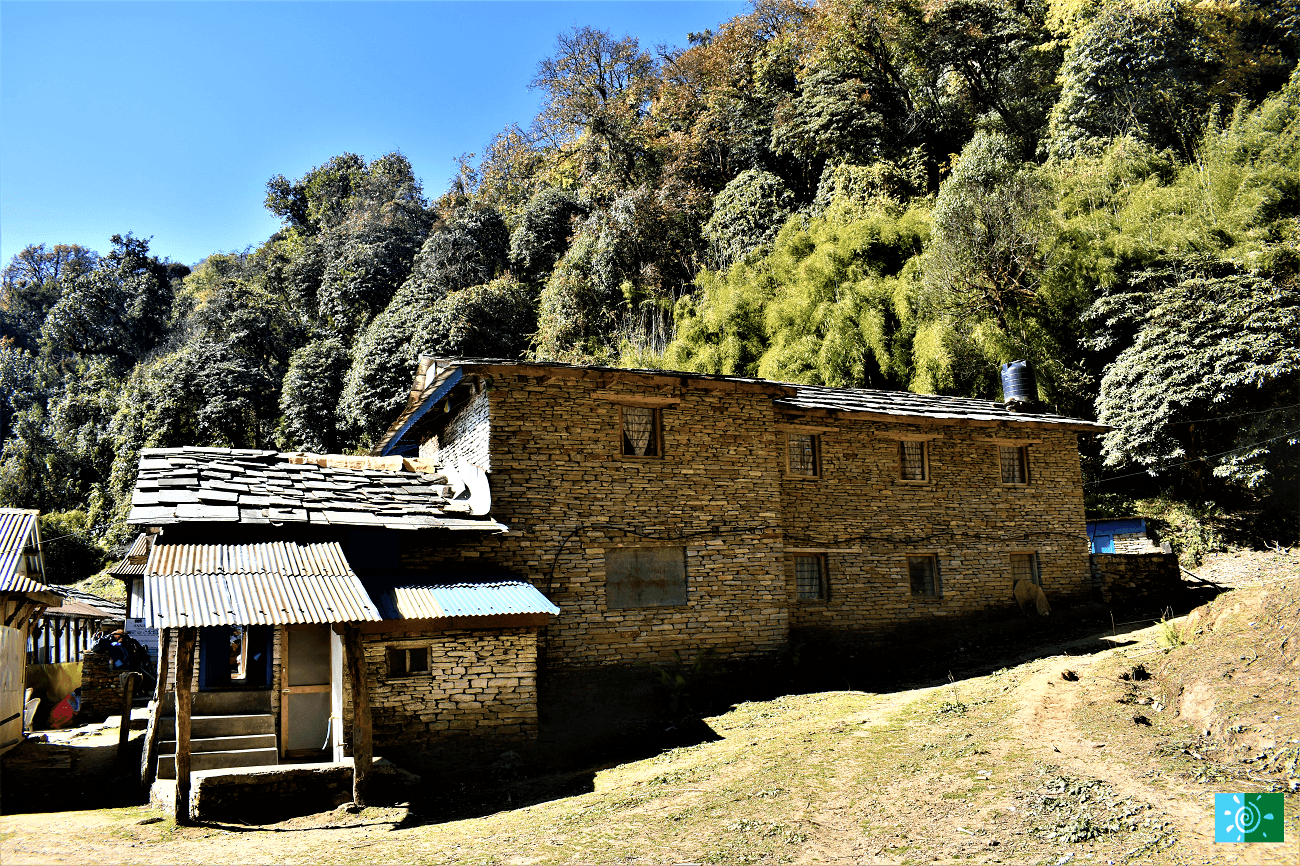
The Mardi Himal Trek accommodation mainly includes traditional teahouses that provide simple and basic facilities for trekkers.

Along the trail, these teahouses offer twin-sharing rooms with two single beds, along with a mattress, pillow, and blanket. As temperatures drop at higher altitudes, many trekkers choose to bring a sleeping bag for extra warmth and comfort.

Rooms and Bedding

Rooms in teahouses are clean but quite basic. While blankets are available, they may not be warm enough during cold nights, especially near High Camp.

Bathrooms and Toilets

Most lodges have shared bathrooms with traditional Asian-style squat toilets. In lower areas like Low Camp, some teahouses also provide Western-style toilets.

Hot Showers

You can find hot showers at lower elevations, particularly in Low Camp. However, as you move higher especially towards High Camp; hot shower facilities become limited or unavailable.

Dining Area and Heating

Teahouses usually have a cozy shared dining area where trekkers eat and relax. These spaces often include a stove or fireplace, which helps keep everyone warm in the cold mountain weather.

Mardi Himal Trek Electricity

Electricity on the Mardi Himal Trek varies depending on altitude and location.

In lower areas like Kande, Pothana, and Landruk, teahouses have a stable power supply from the national grid. Many lodges even provide charging outlets inside the rooms.

At higher places such as Forest Camp and High Camp, teahouses use solar power or small hydropower systems. Because of this, you can usually charge your devices only in the dining area.

Trekkers should expect to pay between NPR 100 to NPR 500 ($1–$4 USD) per device for charging. Prices typically increase with altitude due to limited energy resources.

Solar charging can be slow and unreliable, especially during cloudy or rainy weather. This makes power availability inconsistent at higher elevations.

Nepal mainly uses Type C (two-pin) and Type D (three-pin) sockets. Carrying a universal travel adapter is highly recommended for hassle-free charging.

Communication on the Mardi Himal Trek

Communication on the Mardi Himal Trek depends on mobile networks and paid Wi-Fi, but both become less reliable at higher altitudes.

Before starting your trek, buy a local SIM card like Nepal Telecom (NTC) or Ncell in Kathmandu or Pokhara. This will help you stay connected during the trek.

In lower areas such as Kande, Pothana, and Forest Camp, mobile coverage is usually good, and you may even get 3G or 4G internet.

As you go higher to places like High Camp and Badal Danda, the signal becomes weak or may stop completely. In these remote areas, NTC often works better than NCELL.

Wi-Fi on the Trek

Most teahouses provide Wi-Fi for an extra cost, usually between NPR 100 and NPR 500 per device. However, the connection is slow and works best for simple tasks like messaging or short emails.

Mardi Himal Trek Difficulty, Fitness & Preparation

The Mardi Himal Trek is moderate and suitable for beginners, but it still requires good physical fitness. You will encounter long uphill climbs and high-altitude sections throughout the trek.

In the lower part of the trail, you walk on stone staircases through forests. As you go higher, the route becomes more challenging with narrow ridges, rocky paths, and loose scree.

Fitness Level Required

You should be able to walk 5–7 hours uphill each day while carrying a light backpack. As a simple fitness check, try jogging 3 km in 25–30 minutes or climbing stairs with some weight.

Training Before the Trek

Start preparing at least 6–8 weeks in advance. Focus on:

  • Cardio exercises like walking, running, or cycling
  • Leg strength training such as squats and lunges
  • Practicing hikes with a backpack
  • Stretching, yoga, or mobility exercises to prevent injury

Mental Preparation

Mental strength is just as important as physical fitness. Listen to your body and take breaks when needed. Stay motivated by setting small daily goals.

Wear layered clothing to handle changing temperatures, and keep realistic expectations about food and accommodation. You can also practice yoga or meditation to improve focus and reduce stress.

ATMs on the Mardi Himal Trek

There are no ATMs along the Mardi Himal Trek route. You can only withdraw cash in major cities like Kathmandu and Pokhara before starting your trek.

The entire trek runs on cash. Teahouses, small shops, and local vendors accept only Nepali Rupees. Most places do not accept credit or debit cards, especially in remote villages.

Make sure you carry enough cash for your trek. You will need spare cash for services like hot showers, charging your devices, and buying boiled water.


Faqs

Why should I trek with Nepal Sanctuary Treks (NST)?

For over two decades, Nepal Sanctuary Treks has been crafting sustainable and bespoke trekking adventures in Nepal. Our deep knowledge of the region allows us to meticulously tailor itineraries to guest’s specific desires, ensuring a transformative journey. Committed to sustainability, our efforts are recognized by the prestigious Travelife Certified Award. Nepal Sanctuary Treks actively empowers local communities by supporting female-owned businesses and promoting girls’ education. Learn more


Can children do trek with their families in Nepal?

Yes, children can join our Nepal treks! Nepal Sanctuary Treks offers family-friendly itineraries with experienced guides. Personalized advice ensures a safe and enjoyable adventure for all ages.

How much weight do I have to carry or how much will my porter carry?

You can bring as much as clothes you want but extra luggage is not required for the trek, you can leave your extra luggage in Kathmandu or Pokhara’s hotel. For the trek you can carry enough clothes you require in your backpack or carry only the camera, water bottle few clothes etc in your backpack. The potter can carry your extra duffle bag clothes which can weigh up to  30kg. However the local domestic flights (Lukla, Jomsom, Juphal, Simikot) allows maximum of 15kg per person including carry-on baggage.

Where in Tribhuvan airport I will be paying my visa fee?  I’ve already completed the application online but I’m unclear where I make my payment at the airport.  

Since you completed the process online, you will receive a submission receipt with a barcode. Please print this receipt and bring it with you when you visit the visa fees collection counter. Make sure about the type of visa you will need (15 days, 30 days, or 90 days) and make the payment accordingly. We recommend you bring the exact amount in US currency of the current visa fee while paying at the visa counter.
Next, you should head to the Immigration Desk, taking along your online application form, payment receipts, and your passport. Hand over these documents to the immigration officer to initiate the visa processing procedure.
Do we have one guide and one porter assigned for each person ?

There will be one main guide and one porter for every two trekkers. If the group size is four or more, we will supply an additional guide.

How do Nepal Sanctuary Treks guides keep clients safe during treks?

Monitoring Health: Guides use oximeters to check clients’ oxygen levels daily, carry a first aid kit, and utilize the Lake Louise Form to monitor altitude sickness.

Communication: They are equipped with local SIM cards and satellite phones for continuous updates.

Emergency Response: In emergencies, they promptly notify the Kathmandu office and CIWEC clinic and are prepared to arrange critical support, including helicopter evacuations for severe medical issues.

What cultural considerations and etiquettes should I keep in mind while trekking?

Trekking etiquette in Nepal emphasizes the importance of responsible tourism: when trekking, practice respect for local culture by dressing modestly and asking permission before taking photos. Leave no trace, stick to marked trails, and adhere to local guidelines. Greet others with “Namaste,” acclimatize properly, and stay hydrated. Support the local economy by purchasing local goods. Enjoy your trek while making a positive difference in the communities you visit! For more information please refer to Responsible Travel

Can I rent or buy trekking equipment in Nepal?

Yes, you can rent or purchase trekking gear in Kathmandu or Pokhara, including items like sleeping bags, down jackets, and trekking poles. Make sure to check the quality and condition of rented equipment. For instance, sleeping bags are available for rent at rates ranging from USD 1 to USD 1.50 per day. For more information, please contact [email protected].

Do I need travel insurance covered while trekking/traveling in Nepal?

Travel insurance is compulsory for all our travelers and should be taken out at the time of booking.  We recommend that you take out insurance as soon as your booking is confirmed. The insurance must comprise medical coverage, helicopter rescue, and ambulance services.  Read more about Travel Insurance

Is there Electricity in Mardi Himal area?

During Mardi Himal Trek, teahouse lodges offer electricity or solar power for charging devices, though there might be extra charges. Bring a power bank and use a C-type socket. Save battery life by reducing screen brightness and disabling GPS and Wi-Fi. To prevent rapid battery drain in cold temperatures, keep your devices warm in your backpack or jacket pocket.

What are the emergency evacuation options in case of severe illness or injury?

In case of a medical emergency, helicopters can be used for evacuation from higher altitudes to Kathmandu with better medical facilities. Make sure you have adequate travel insurance that covers emergency evacuations.

How can travelers acquire SIM cards in Nepal for their mobile phones upon arrival at Kathmandu International Airport?

Both Ncell and NTC telecom companies provide free prepaid SIM cards to international travelers upon arrival at the airport. You can obtain them with a copy of your passport and a passport-sized photo.

Are there any specific dietary requirements for the meals provided during the trek?

Dietary requirements should be noted on the pre-trip form from Nepal Sanctuary Treks. Based on your information, we will tailor meals during the trek to accommodate any allergies or preferences.

Ask Our Travel Expert

Affiliations & Recommendations

Mardi Himal Trek