Trip Facts

icon-calendar
Trip Duration 12 Days
icon-meter
Trip Difficulty Moderate
icon-mountain
Maximum Altitude 3,660 m/12,008ft.
icon-season
Best Season To Visit March-May, October-December
icon-group
Average Group Size Min 2 pax

Trip Overview

Khopra Ridge Trek: A Hidden Gem in the Annapurna Region

The Khopra Ridge Trek  or Khopra Danda Trek offer a peaceful alternative to busier trails in the Annapurna region. This trek lets you explore pristine landscapes, stunning mountain views, and rich culture. Nepal Sanctuary Treks brings over 27 years of experience, providing a unique Trekking adventure that supports local communities and promotes sustainable tourism practices.

On the Khopra Ridge Trek, you’ll trek through diverse terrain, from lush forests to high alpine meadows. The route offers spectacular views of the Annapurna range and vibrant rice terraces. Each day brings a fresh perspective on the valley, making the Khopra Ridge Trek a truly unforgettable experience.

The Highlight: Khopra Ridge Views and Khayer Lake

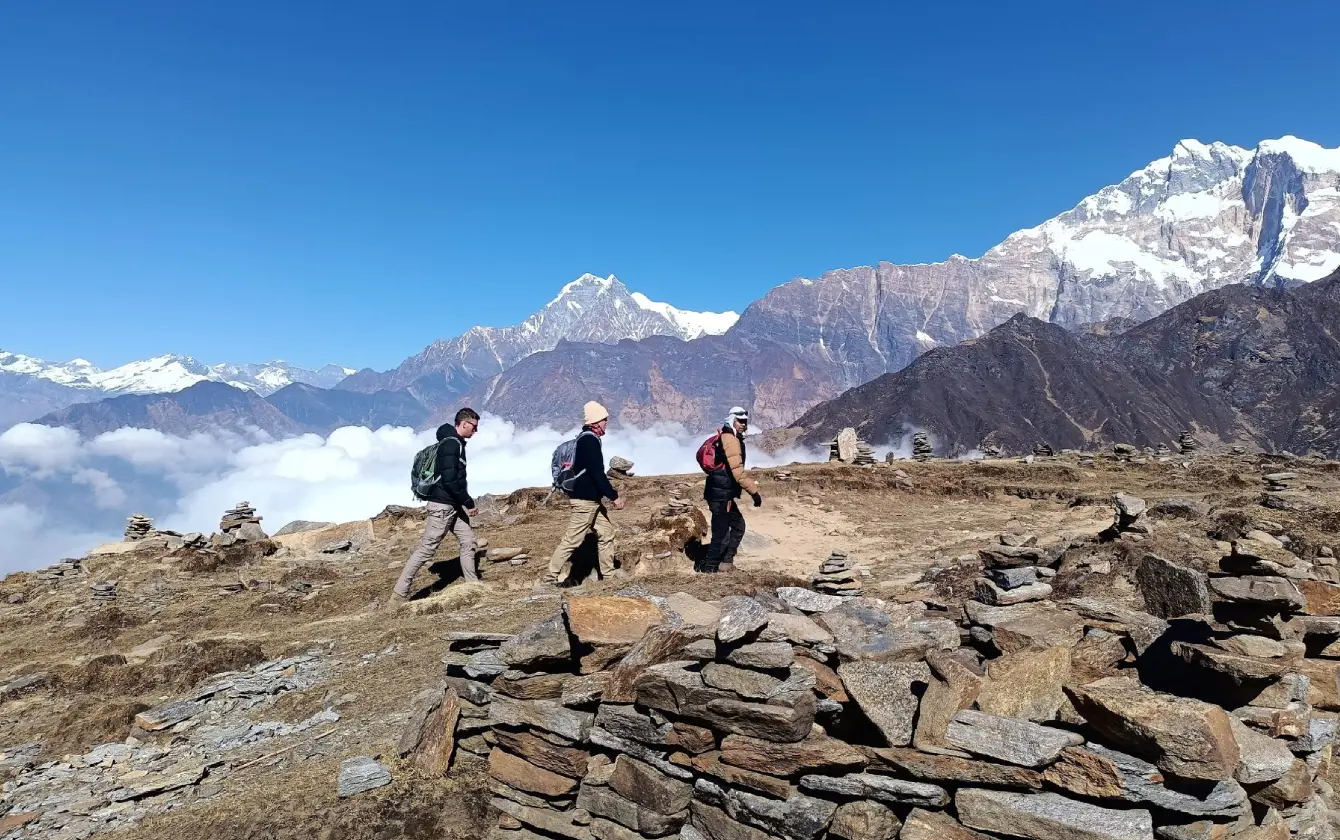
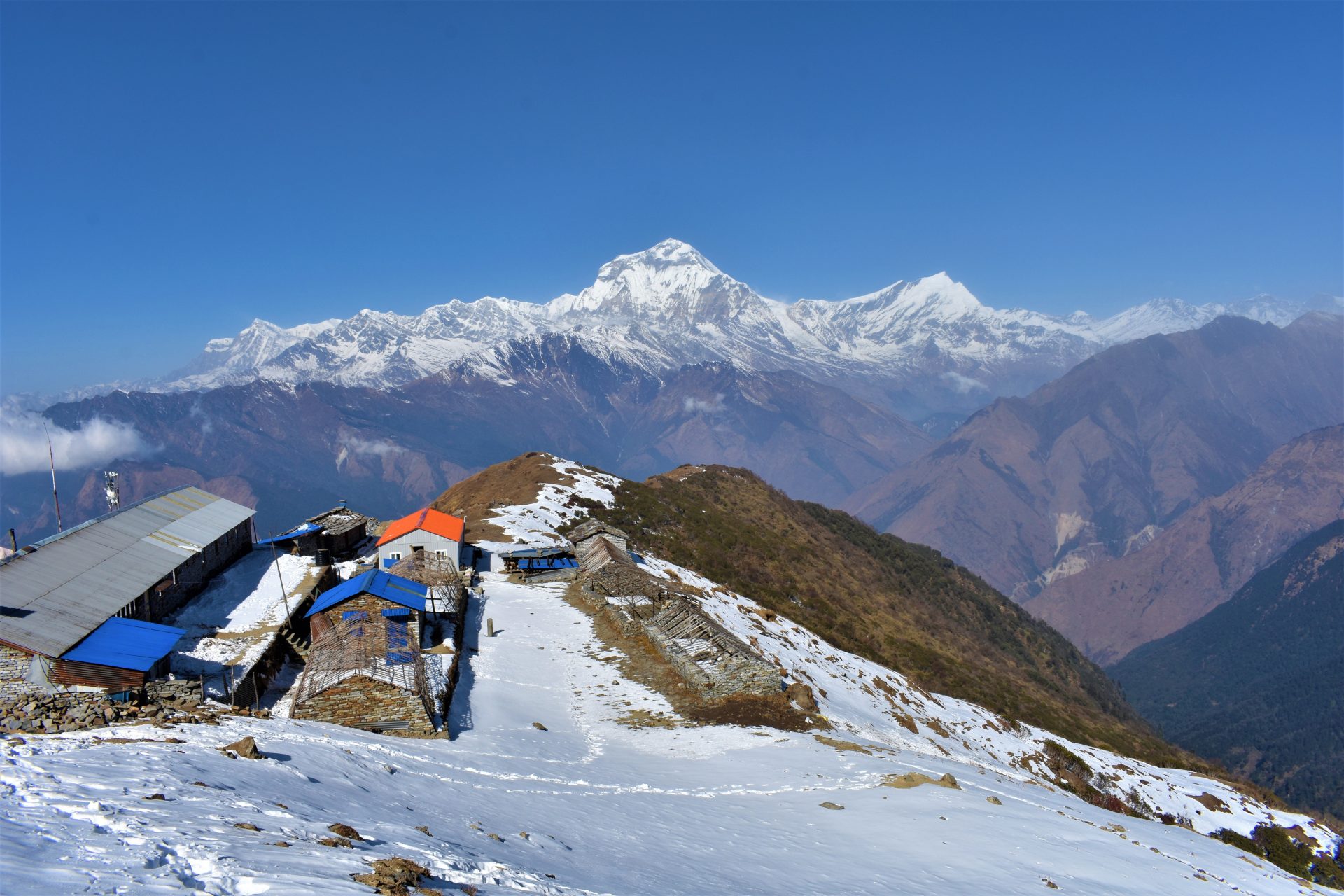
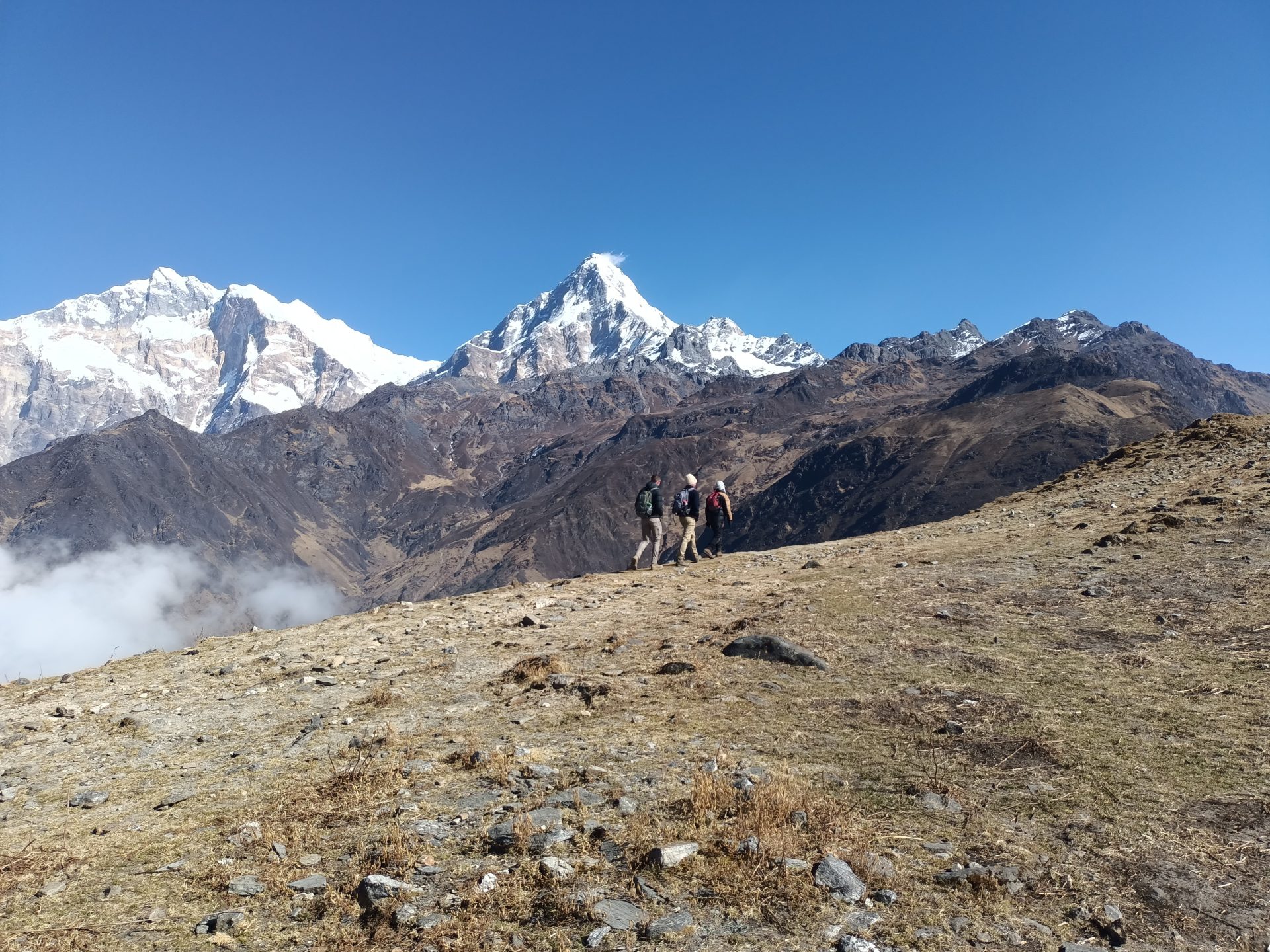
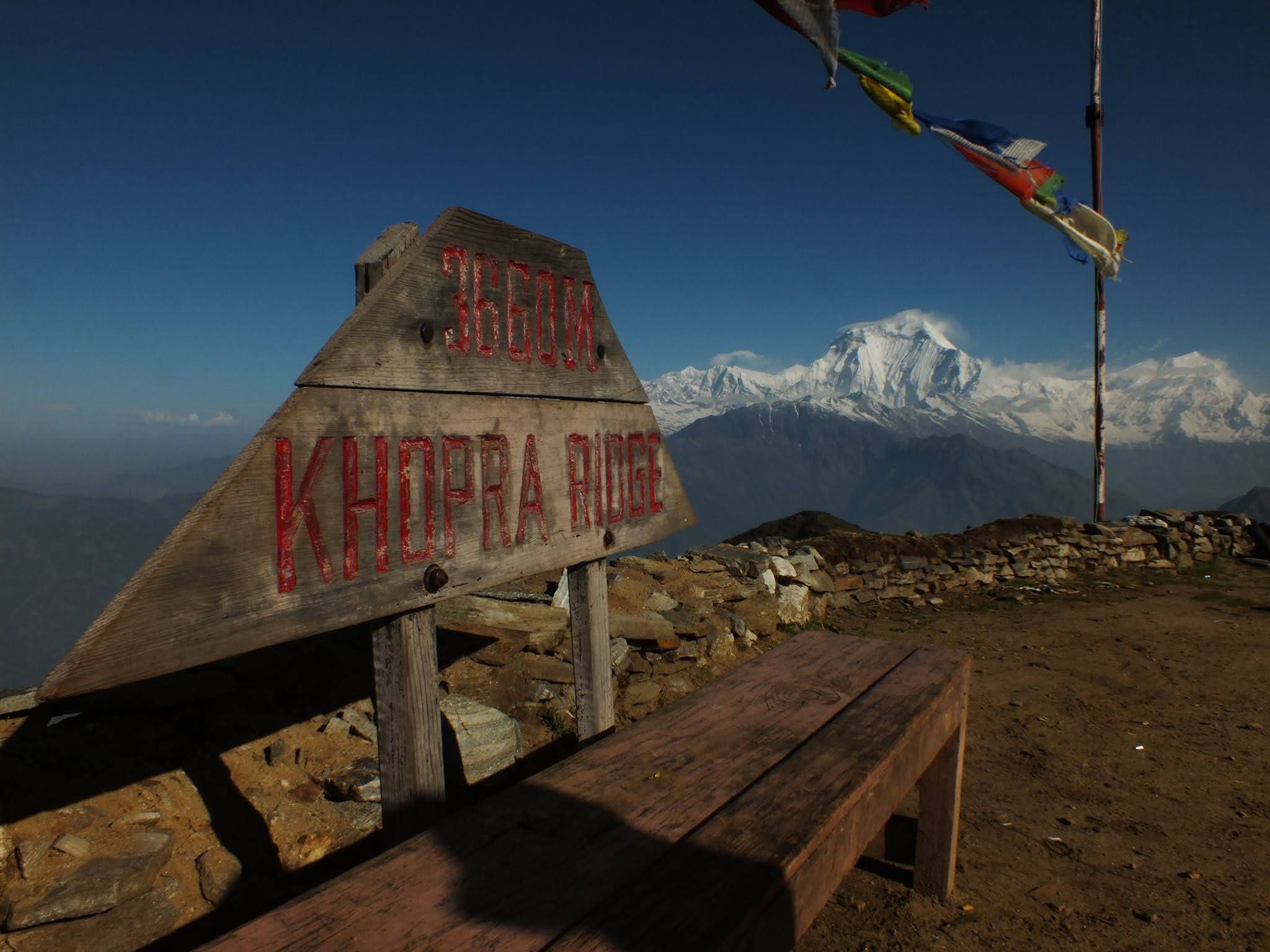
The Khopra Ridge Trek offers stunning panoramic views. From Khopra Ridge, you can see Dhaulagiri, Annapurna South, Machapuchhre, and Himalchuli. The sunrise over the snow-capped peaks creates a golden glow, making the landscape unforgettable. Enjoy sweeping vistas of lush valleys, terraced rice fields, and dense forests throughout your journey.

Khayar Lake is another highlight of the trek. This hidden glacial lake, deep in Annapurna Sanctuary, feels like a secret treasure. The peaceful surroundings make it an awe-inspiring stop on your adventure.

The Khopra Ridge Trek offers stunning panoramic views. From Khopra Ridge, you can see Dhaulagiri, Annapurna South, Machapuchhre, and Himalchuli. The sunrise over the snow-capped peaks creates a golden glow, making the landscape unforgettable. Enjoy sweeping vistas of lush valleys, terraced rice fields, and dense forests throughout your Khopra Ridge Trek journey.

Khayar Lake is another highlight of the Khopra Ridge Trek. This hidden glacial lake, deep in Annapurna Sanctuary, feels like a secret treasure. The peaceful surroundings make it an awe-inspiring stop on your adventure.

See our Annapurna Treks for more trekking options in the region.

Why Choose Nepal Sanctuary Treks for Your Khopra Ridge Trek?

With Nepal Sanctuary Treks, your Khopra Ridge Trek is fully customized. As a Travelife Certified Company, we are committed to sustainable tourism and supporting local communities.

Our focus is on both adventure and cultural immersion, ensuring a unique and enriching experience. Your Khopra Ridge Trek also supports local communities through stays in community lodges, promoting responsible tourism that benefits both you and the people of Nepal.

We focus on small group sizes and strict safety protocols, offering personalized care and attention. Our long-standing relationships with trusted suppliers ensure you have high-quality accommodations and reliable transportation during your Khopra Ridge Trek.

Read our Reviews | Contact Us for Custom Treks

Customizable Khopra Ridge Trek Itinerary

Explore the breathtaking Khopra Ridge Trek in Nepal’s Annapurna region. Book your Khopra Ridge Trek Itinerary with Nepal Sanctuary Treks today. This is only a sample Trek itinerary. We shall tailor-make the program according to your preferences and requirements.

Note: Below Khopra Ridge Trek’s hours, altitudes and distances are approximate, and absolutely for the general idea only.

Trip Itinerary

Day 01: Arrive at Kathmandu airport

Altitude above sea level: 1,302 m / 4,269 ft.
Driving Time: Approximately 30 minutes (depending on traffic)
Accommodation: Hotel Tibet or similar

Upon arrival at Tribhuvan International Airport in Kathmandu, you will be warmly welcomed by our representative holding a “Nepal Sanctuary Treks” placard.

You will then be transferred to your hotel in a private vehicle. After checking in and freshening up, our representative will meet you to provide a detailed briefing on your upcoming itinerary, along with important safety guidelines and hygiene practices to ensure a smooth and enjoyable trek.

Day 02: Cultural Introductory Tour and Trek Preparation

Altitude above sea level: 1,302 m / 4,269 ft.
Tour Duration: Approximately 8 hours
Accommodation: Hotel Tibet or similar
Meals Included: Breakfast

9:00 AM – Guided Cultural Tour of Kathmandu Valley
Start your day with a guided cultural tour of Kathmandu Valley, exploring the city with expert guides who will share insights into its rich history and heritage.

Kathmandu Durbar Square
Visit Kathmandu Durbar Square (Hanuman Dhoka Durbar), a royal historical complex filled with temples, palaces, and shrines dating back to the 15th century. Highlights include Kumari Ghar, the residence of the living goddess, and Kasthamandap, an architectural marvel constructed from a single tree.

Swayambhunath (Monkey Temple)
Next, head to Swayambhunath, also known as the Monkey Temple, a sacred site for both Hinduism and Buddhism. Admire the striking white dome and golden spire while soaking in the serene atmosphere of incense, prayer wheels, and panoramic city views.

Boudhanath Stupa
In the afternoon, visit the massive Boudhanath Stupa, a UNESCO World Heritage Site and spiritual center of Tibetan culture. Witness colorful prayer flags fluttering in the wind, monks performing rituals, and devotees chanting “Om Mani Padme Hum.”

Pashupatinath Temple
Conclude your tour at Pashupatinath Temple, one of Hinduism’s most sacred sites, situated along the Bagmati River. Here, observe profound spiritual rituals, including the moving sight of open-air cremations, which hold deep cultural and religious significance. After this immersive experience, you will return to your hotel.

Day 03: Flight to Pokhara – Drive Syauli Bazaar - Trek to Ghandruk

Altitude above sea level: 2,012 m / 6,601 ft.  Ghandruk Village
Flight Duration: 25 minutes
Driving Time: Approximately 2 hours
Hiking Duration: 3–4 hours 
Ascent: 294 m / 965 ft.
Descent: 10 m / 32 ft.
Accommodation: Tea House Lodge
Meals: Breakfast, Lunch, and Dinner

After breakfast, begin your journey with a scenic flight to Pokhara, followed by a short drive to Syauli bazaar (682 m / 2,240 ft.), the starting point of the trek. The trail winds through lush forests and terraced fields, offering spectacular views of Machhapuchhre Himal (6,696 m / 22,690 ft.) and the Modi River. Arrive at Ghandruk, a picturesque village rich in culture and traditional architecture. Explore its cobbled streets, visit the cultural museum, and soak in unforgettable sunrise and sunset views over the Annapurna Massif.

Day 04: Trek to Tadapani

Altitude above sea level: 2,590 m / 8,497 ft. Tadapani
Hiking Duration: Approximately 3–4 hours (9.33 km / 5.84 mi)
Ascent: 558 m / 1,830 ft.
Descent: 43 m / 140 ft.
Accommodation: Tea House Lodge
Meals: Breakfast, Lunch, and Dinner

After breakfast in Ghandruk, begin the trek uphill through Deurali, passing into a lush rhododendron forest. Continue to a small pass before arriving at Tadapani. In spring, the trail is adorned with vibrant rhododendron blossoms, adding bursts of color to the journey.

Tadapani is a tranquil village surrounded by rhododendron, magnolia, and oak forests. From here, enjoy spectacular views of Machhapuchhre (6,996 m / 22,953 ft) and Annapurna South (7,219 m / 23,684 ft). It’s an ideal spot to relax and take in the natural beauty of the Khopra Ridge region.

Day 05: Trek to Dobato

Altitude above sea level: 3,350 m / 10,990 ft. Dobato
Hiking Duration: Approximately 5–6 hours (8 km / 4.97 mi)
Ascent: 876 m / 2,879 ft.
Descent: 60 m / 197 ft.
Accommodation: Tea House Lodge
Meals: Breakfast, Lunch, and Dinner

After breakfast, start your trek toward Dobato. The trail continues to ascend, with stone steps guiding you through a dense rhododendron forest. In spring, the forest bursts with vibrant shades of pink and red, creating a spectacular scene.

As you follow the ridge, enjoy sweeping views of the surrounding peaks and the lush valleys below. Eventually, you will reach Dobato, where you will stay overnight. After a fulfilling day of trekking, the tea house offers a perfect spot to relax and soak in the serene surroundings.

After breakfast, start your trek toward Dobato. The trail continues to ascend, with stone steps guiding you through a dense rhododendron forest. In spring, the forest bursts with vibrant shades of pink and red, creating a spectacular scene.

As you follow the ridge, enjoy sweeping views of the surrounding peaks and the lush valleys below. Eventually, you will reach Dobato, where you will stay overnight. After a fulfilling day of trekking, the tea house offers a perfect spot to relax and soak in the serene surroundings.

Day 06: Sunrise hike to Mulde Peak -Trek to Upper Chistibung

Altitude above sea level: 3,150 m / 10,335 ft. Upper Chistibung
Hiking Duration: Approximately 4–5 hours (8 km / 4.97 mi)
Ascent: 378 m / 1,240 ft.
Descent: 770 m / 2,529 ft.
Accommodation: Community Lodge
Meals: Breakfast, Lunch, and Dinner

After breakfast, begin an early morning hike to Mulde Peak (3,637 m / 11,932 ft.) to catch the sunrise. From the summit, enjoy breathtaking 360-degree views of the Annapurna range, including Machhapuchhre, Annapurna South, Hiunchuli, and Annapurna III. Spring trekkers will be delighted by vibrant rhododendron blooms along the forested ridges, making it a perfect spot for photography.

Following the summit visit, descend through peaceful meadows and serene forests to reach the grazing fields of Lower Chistibung. Continue with a gentle uphill walk through another stretch of forest to arrive at Upper Chistibung, a seasonal settlement used by local herders.

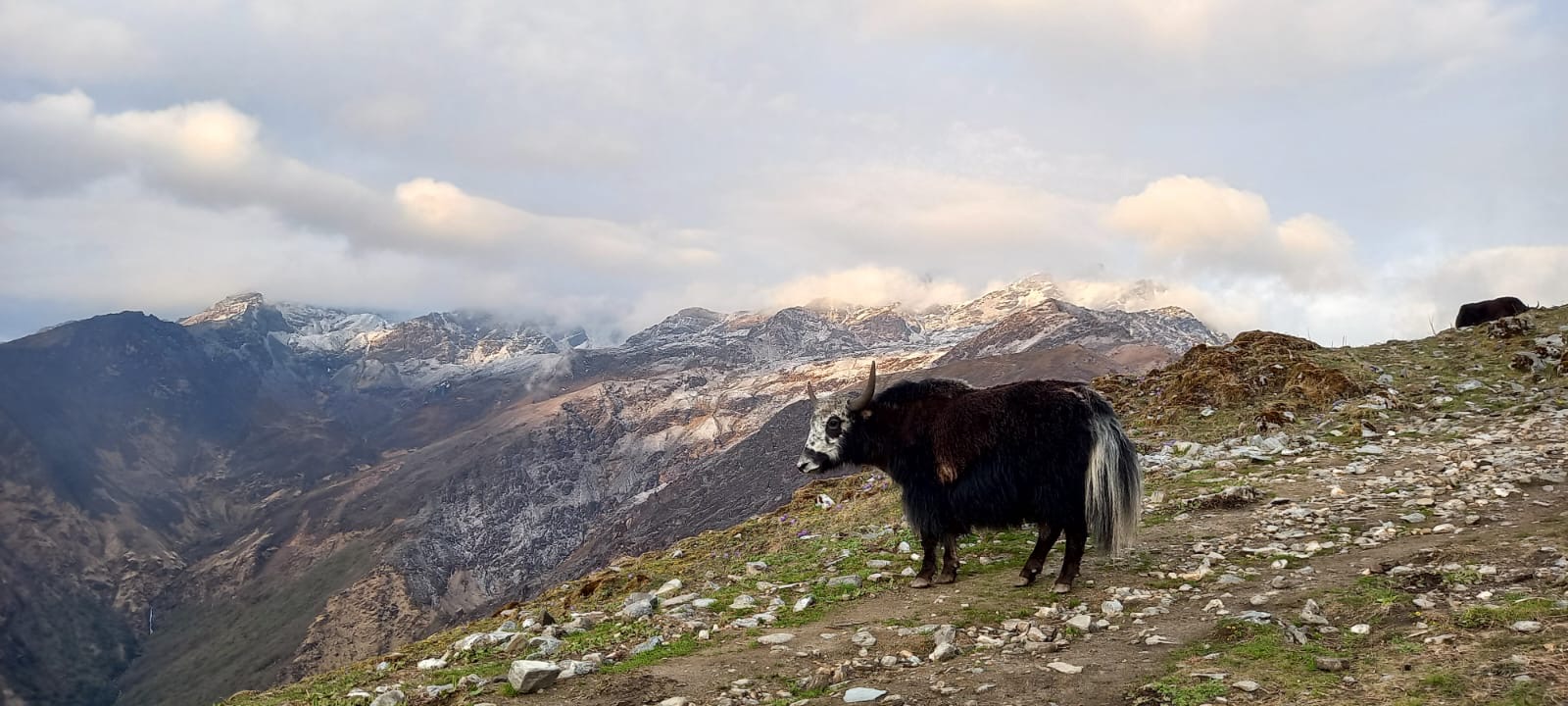
Keep an eye out for wildlife along the way; you may spot the Danphe (Nepal’s national bird) or Himalayan Thar grazing on the ridgelines. This hike combines stunning mountain panoramas, rich wildlife, and the tranquil beauty of the Himalayas, offering an unforgettable trekking experience.

Day 07: Trek to Khopra Ridge

Altitude above sea level: 3,660 m / 12,008 ft. Khopra Ridge
Hiking Duration: Approximately 3–4 hours (3.84 km / 2.39 mi)
Ascent: 638 m / 2,094 ft.
Descent: 6 m / 20 ft.
Accommodation: Community Lodge
Meals: Breakfast, Lunch, and Dinner

After a hearty breakfast, begin a gradual ascent through alpine meadows toward Khopra Ridge. Along the way, catch your first glimpse of Annapurna South, signaling your approach to the ridge.

Arrive at Khopra Ridge Lodge in time for lunch. From the lodge, take in sweeping views of Annapurna South, just 6 km (3.7 mi) away, with Fang and Nilgiri peaks rising majestically to the north.

In the afternoon, enjoy a short hike to a viewpoint overlooking the Kali Gandaki River in the deep valley below. From here, marvel at the breathtaking panorama of Dhaulagiri, Nilgiri, and the surrounding Himalayan peaks. For those interested, a hike towards Khayer Lake. It is a sacred site in the Annapurna region offers both spiritual significance and stunning scenery.

Day 08: Trek to Swanta Village

Altitude above sea level: 2,214 m / 7,267 ft.  Swanta Village
Hiking Duration: Approximately 5–6 hours (9.6 km / 5.9 mi)
Descent: 1,390 m / 4,560 ft.
Accommodation: Community Lodge
Meals: Breakfast, Lunch, and Dinner

After breakfast, begin the descent from Upper Chistibung, retracing your path through the hillside. Walk through dense green oak forests, which contrast beautifully with the brown oak trees seen earlier. Pass Chistibung Lodge, cross a wooden bridge, and continue through bamboo forests, navigating both gentle ascents and descents along the way.

Upon arriving at Swanta Village, the scenery opens up to reveal traditional homes nestled among rice and potato fields. In the afternoon and evening, explore the village at your own pace. Don’t miss a visit to Swanta Primary School, a community-supported school run by two dedicated teachers, giving you a glimpse into local life and culture.

Day 09: Trek to Ulleri

Altitude above sea level: 2,050 m / 6,726 ft. Ulleri
Hiking Duration: Approximately 5–6 hours (9 km / 5.6 mi)
Ascent: 150 m / 492 ft.
Descent: 300 m / 984 ft.
Accommodation: Community Lodge
Meals: Breakfast, Lunch, and Dinner

After a hearty breakfast, begin your descent through village fields toward a small river, passing by a traditional watermill along the way.

Cross a suspension bridge and then climb up to Chittre, where you reconnect with the main trail to Ghorepani. From Ghorepani, follow a steep trail descending through rhododendron forests, eventually arriving at Ulleri, a charming village nestled in the hills.

Day 10: Trek to Birethathi –Drive Pokhara

Altitude above sea level: 895 m / 2,936 ft.  Pokhara
Hiking Duration: Approximately 6 hours (7.8 km / 4.9 mi)
Descent: 56 m / 187 ft.
Driving Duration: Approximately 1.5 hours – Birethathi to Pokhara
Accommodation: Mount Kailash Resort or similar
Meals: Breakfast and Lunch

After breakfast, begin a downhill hike through hills, villages, farmlands, and ethnic settlements, making your way toward Birethathi. Upon reaching Birethathi, meet your private jeep for a scenic drive back to Pokhara.

After checking in at your hotel, enjoy some leisure time to explore the city.

Day 11: Flight back to Kathmandu

Altitude: 1,302 m/4,268 ft. Kathmandu
Flight Duration:Approximately 25 minutes 
Accommodation: Hotel Tibet or similar
Meals: Breakfast

After breakfast, take a short flight back to Kathmandu. Upon arrival, check in to your hotel and enjoy some free time to relax. You can shop for souvenirs or unwind after your unforgettable adventure.

Day 12: Final Departure

Meal: Breakfast

As your unforgettable journey comes to an end, it’s time to fly back home, cherishing all the incredible memories of Nepal. A representative from Nepal Sanctuary Treks will transfer you to Tribhuvan International Airport (TIA). Please make sure to check in 3 hours prior to your scheduled flight for a smooth departure.

Price Included

What's Included

  • Private Airport transfers,
  • Internal flight: Kathmandu-Pokhara-Kathmandu
  • Transfer to from trek point,
  • 3 nights Hotel Tibet or similar in Kathmandu & 1 night Mount Kailash Resort or similar with breakfast,
  • Tea house lodge accommodation during trek on full board,
  • Guided Kathmandu Sightseeing tour with entrance fees
  • Annapurna Conservation Fees,
  • Staff insurance on the trek,
  • Trek guide & porter
  • Duffel bag
  • Map
  • First aid kit supplies

What's not Included

  • Additional tours and meals that are not mentioned,
  • Beverages,
  • Personal equipment,
  • Personal bills,
  • International airfare
  • Excess baggage beyond 15 kilos, including day pack
  • Visa fee: US$ 30 for 15 days, US$ 50 for 30 days, and US$125 for 90 days of multiple entries
  • Insurance (for cancellation, accident, health, emergency evacuation and loss, theft of or damage to baggage and personal effects), liability insurance
  • Tips

Trip Important Notes

What to Pack for Khopra Ridge Trek: Full Equipment & Clothing Guide

Footwear:

  • Walking boots. A pair of water-repellent boots with ankle support.
  • Walking socks.
  • Yaktrax
  • Trainers or trail shoes. Can be used in and around the lodge in the afternoons/evenings.

Clothing:

  • Waterproof jacket and trousers (Gore-Tex or similar).
  • Trekking trousers.
  • Long sleeve shirts (not cotton).
  • Mid to heavyweight fleece.
  • Sleeveless or body warmer type fleece.
  • Thermals or base layer for top & bottom (merino wool or synthetic).
  • Fleece pants.
  • Medium weight down jacket (e.g.: Nuptse jacket by The North Face).

Hand wear:

  • Fleece gloves.
  • Warms mittens and/or gloves.

Headwear:

  • Wool or fleece hat.
  • Sun hat.
  • Bandana or scarf.
  • Head torch. Bring extra batteries.
  • Sunglasses.

Personal Equipment:

  • Day pack (you’ll need during the day, such as warm clothes, a jacket, a camera, water bottles, snacks, and a personal first aid kit. Keep your daypack under 5 kg. A porter will transport the rest of your personal gear in a duffel or kit bag, which should not exceed 15 kg per trekker. Clearly mark your bag to help identify it easily.)
  • Stuff sacks for keeping your gear dry and organized.
  • Water bottles (Nalgene wide-mouth bottles are the best).
  • Sunscreen and lip salve with a high SPF.
  • Water purification tablets (Aqua Tab, Chlorine dioxide).
  • Favourite snack food.
  • Trekking poles (optional).
  • Insurance certificate.
  • Flash Light
  • Earplugs (optional).
  • Hand sanitizer 
  • Face Mask
  • Spare cash for extra expenses like hot shower, boiled water, gadget charging during trek

Traveling:

  • Bring a small combination padlock to secure the bag.
  • Travel clothes. You will need casual clothing for air travel days and time spent in Kathmandu.
  • Toiletry bags include toilet paper, soap, towel, toothbrush, etc.
  • Quick dry towel

Personal first aid kit: Note: Nepal Sanctuary Treks provides a comprehensive group first aid kit, but please bring personal medications and other items you might use regularly.

Khopra Ridge Trek Temperature by Season: What to Expect Year-Round

Khopra Ridge Trek temperatures vary by season, so timing your trek is important. In spring from March to May, expect mild days between 8°C and 15°C, with colder nights dropping to -5°C to 5°C. The monsoon season from June to August brings warmer conditions, with daytime temperatures of 15°C to 25°C and nights between 5°C and 15°C. Autumn from September to November offers stable weather, with pleasant daytime temperatures of 10°C to 20°C and cooler nights from -5°C to 10°C. In winter from December to February, it gets much colder, with daytime temperatures of 0°C to 10°C and night temperatures falling to -15°C to -5°C.

Altitude also affects temperatures along the trek. Lower villages like Ghandruk and Swanta stay warmer, often reaching 20°C to 25°C during spring and autumn. In contrast, higher areas such as Khayer Lake at 4,665 meters are significantly colder, typically 5°C to 10°C lower than Khopra Ridge, with strong wind chill even on sunny days.

Teahouse Accommodation on Khopra Ridge Trek: What to Expect

Accommodation on the Khopra Ridge Trek mainly consists of teahouses and community lodges. These stays are simple but clean, safe, and comfortable. By staying here, you directly support local communities, especially in areas with community-run lodges.

Teahouses are available along most of the trail. However, Khopra Ridge at 3,660 meters has only a few lodges, and there are no accommodation options near Khayer Lake at 4,665 meters, which trekkers visit as a day hike.

Rooms are basic and usually twin-sharing, with some dormitory-style options at higher altitudes. Lodges provide mattresses and blankets, while bathrooms are shared and may be either Western-style or squat toilets.

Most teahouses offer hot showers for an extra fee of NPR 150 to 500, typically using a bucket of boiled water.

Typical day in Teahouse Lodge Trek

A typical day on the Teahouse Lodge Trek includes three meals. Mornings start with packing your overnight gear before breakfast, while porters set off early. Trekking usually begins around 8 a.m. at a relaxed pace, allowing time to enjoy the scenery, take photos, and visit local villages. Lunch is served at a teahouse along the trail between 11 a.m. and noon.

After lunch, trekking resumes around 1 p.m., with most days ending at the lodge by mid-afternoon. Upon arrival, you receive a hot drink and biscuits. Dinner usually has two courses, starting with soup and followed by a main dish such as dal bhat, momos, or Sherpa stew, with local specialties recommended. After dinner, the trek leader provides a briefing on the next day’s itinerary.

Electricity on the Khopra Ridge Trek

Most teahouses and lodges provide electricity, though it becomes less reliable at higher altitudes like Khopra Ridge. Power comes from hydropower and solar panels, but solar is less effective in cloudy weather. Lodges usually offer communal charging stations in dining halls rather than private rooms, often for a fee of NPR 100–500 ($1–$4 USD) per device. During peak season, outlets can be crowded, and cold temperatures drain batteries quickly.

To stay powered, carry a high-capacity power bank and a headlamp with spare batteries. Bring a C-type plug adapter, as most lodges have circular pins. Save battery life by lowering screen brightness, turning off GPS and Wi-Fi, and avoiding unnecessary screen use. Cold weather can drain or damage devices, so keep unused gadgets wrapped warmly inside your backpack or in the pocket of your down jacket.

Communication on the Khopra Ridge Trek

Communication on the Khopra Ridge Trek is generally reliable, thanks to the high-speed wireless initiative led by Mahabir Pun. However, signals can be patchy at higher elevations or during bad weather. For the best coverage, buy a local SIM card in Kathmandu or Pokhara. Nepal Telecom (NTC) provides the widest reach, including 3G at higher altitudes, while Ncell offers fast 4G in lower villages like Ghorepani but weakens on steeper ridges.

Blackout zones are common in dense forests between camps. Most teahouses provide Wi-Fi for NPR 150–200 per device, though some, like Khopra Danda’s main lodge, offer free access. Wi-Fi is sufficient for messaging and light social media, but not for streaming or large uploads. To stay prepared, download maps and essential apps offline, as signals can be weak in forested or remote areas.

Khopra Ridge Trek Difficulty & Fitness Guide: Prepare for the Trek

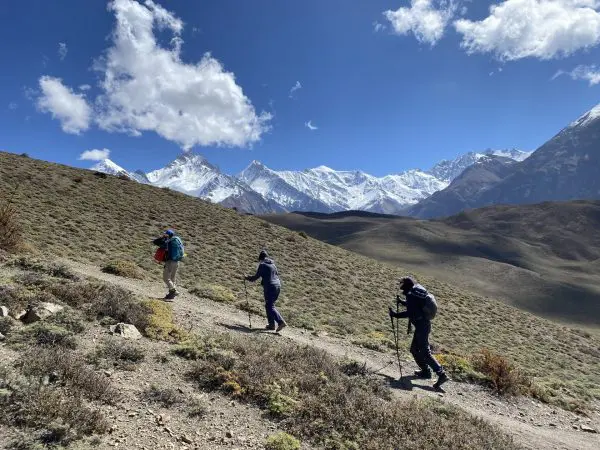
The Khopra Ridge Trek is moderately challenging and suitable for beginners with basic fitness. Trekkers walk 5–7 hours daily over forests, meadows, and ridges, reaching Khopra Danda (3,660 m / 12,008 ft.). An optional hike to Khayer Lake (4,665 m / 15,305 ft.) adds a steep ascent and descent in one day but is not required.

Basic fitness and light cardio, plus practice on hills or stairs, help build stamina. Mental preparation is important: listen to your body, rest when needed, set realistic expectations, and use yoga or meditation to stay focused. Dress in layers, stay hydrated, and eat well to maintain energy for a safe and rewarding trek.

Khopra Ridge Trek ATMs

There are no reliable ATMs along the Khopra Ridge Trek. You can access cash only in major cities like Kathmandu and Pokhara. The trek is entirely cash-based, as teahouses, shops, and vendors accept only Nepali Rupees, and credit cards are rarely accepted in smaller villages. Carry enough cash to cover extra expenses such as hot showers, device charging, and boiled water.


 

Reviews

Tamara Shrader 

Tulsi, Hebi and Man helped make our time in Nepal wonderful. Hebi was an excellent guide on our Khopra Ridge trek, keeping us well paced as we gained altitude...

Tamara Shrader

Faqs

Why choose Kopra Ridge trek?

Khopra Ridge Trek is a newly discovered short trekking route in the Annapurna region; it is an alternative to Ghorepaani Poonhill trek. Although Khopra Ridge is in the heart of the Annapurna region, it remains rural and unknown to trekkers. The trek includes experiencing traditional village culture, wildlife, panoramic mountain views, and a range of landscapes from forest to high alpine, it is a classic trek. The trek passes through a different trail away from the crowded Annapurna trail.

Why should I trek with Nepal Sanctuary Treks (NST)?

For over two decades, Nepal Sanctuary Treks has been crafting sustainable and bespoke trekking adventures in Nepal. Our deep knowledge of the region allows us to meticulously tailor itineraries to guest’s specific desires, ensuring a transformative journey. Committed to sustainability, our efforts are recognized by the prestigious Travelife Certified Award. Nepal Sanctuary Treks actively empowers local communities by supporting female-owned businesses and promoting girls’ education. Learn more


Can children do trek with their families in Nepal?

Yes, children can join our Nepal treks! Nepal Sanctuary Treks offers family-friendly itineraries with experienced guides. Personalized advice ensures a safe and enjoyable adventure for all ages.

Do I need travel insurance covered while trekking/traveling in Nepal?

Travel insurance is compulsory for all our travelers and should be taken out at the time of booking.  We recommend that you take out insurance as soon as your booking is confirmed. The insurance must comprise medical coverage, helicopter rescue, and ambulance services.  Read more about Travel Insurance

How much weight do I have to carry or how much will my porter carry?

You can bring as much as clothes you want but extra luggage is not required for the trek, you can leave your extra luggage in Kathmandu or Pokhara’s hotel. For the trek you can carry enough clothes you require in your backpack or carry only the camera, water bottle few clothes etc in your backpack. The potter can carry your extra duffle bag clothes which can weigh up to  30kg. However the local domestic flights (Lukla, Jomsom, Juphal, Simikot) allows maximum of 15kg per person including carry-on baggage.

What medical facilities are there on Kopra Ridge trek?

In case of an emergency, you need to get evacuated by helicopter to Kathmandu, you need to take proper care of your health. Anyway, you will find small clinics along the trek. However, you need to bring your medicine (if any) and a first aid box will be provided by Nepal Sanctuary Treks, also your guide will be trained for first aid in case of emergency.

For further inquiries, you can contact Nepal Sanctuary Treks at: [email protected] or [email protected]

Where in Tribhuvan airport I will be paying my visa fee?  I’ve already completed the application online but I’m unclear where I make my payment at the airport.  

Since you completed the process online, you will receive a submission receipt with a barcode. Please print this receipt and bring it with you when you visit the visa fees collection counter. Make sure about the type of visa you will need (15 days, 30 days, or 90 days) and make the payment accordingly. We recommend you bring the exact amount in US currency of the current visa fee while paying at the visa counter.

Next, you should head to the Immigration Desk, taking along your online application form, payment receipts, and your passport. Hand over these documents to the immigration officer to initiate the visa processing procedure.

Do I have a porter for the trek?

Porter for the trek services are included to make your journey easier and more comfortable. Keep your daypack under 5 kg with essentials like warm clothes, water, snacks, and a first-aid kit. Porters carry up to 15 kg in a labeled duffel bag.

Contact us for more information.

Does the Khopra Ridge Trek require technical climbing skills?

Khopra Ridge Trek Preparation helps trekkers stay safe and enjoy a rewarding Himalayan adventure. This moderately challenging trek suits beginners with basic fitness. Trekkers walk 5–7 hours daily through forests, meadows, stone steps, and ridges, reaching the highest overnight stop at Khopra Danda (3,660 m / 12,008 ft).

Proper acclimatization helps you manage altitude. You can choose to hike to Khayer Lake (4,665 m / 15,305 ft.), which tests stamina with a steep one-day ascent and descent, but this hike is optional.The trek does not require technical skills, but you should do light cardio and practice on hills or stairs before the journey to build leg strength and endurance.

Mental preparation is equally important: listen to your body, rest when needed, and set small goals to stay motivated. Dress in layers to adjust to changing temperatures and set realistic expectations for facilities and food.

Practicing yoga or meditation can improve focus and reduce stress, while proper rest, hydration, and a balanced diet keep your energy high. By combining physical training, mental readiness, and self-care, you can confidently enjoy a safe, fulfilling, and unforgettable Himalayan trek.

Can I rent or buy trekking equipment in Nepal?

Yes, you can rent or purchase trekking gear in Kathmandu or Pokhara, including items like sleeping bags, down jackets, and trekking poles. Make sure to check the quality and condition of rented equipment. For instance, sleeping bags are available for rent at rates ranging from USD 1 to USD 1.50 per day. For more information, please contact [email protected].

Do hotels and lodges provide safe drinking water?

Most trekking lodges offer filtered or bottled water, but using a reusable bottle helps reduce plastic waste. Always treat water on the trail with tablets like Aqua Tabs, Katadyn Micropur, or Chlorine Dioxide. Some teahouses provide boiled water, but tablets are safest. Mix with drink powders if the taste is strong.

Ask Our Travel Expert

Affiliations & Recommendations

Khopra Ridge Trek