Trip Facts


Trip Overview
Everest Lodge Comfort Trek – Luxury Trekking in the Everest Region of Nepal
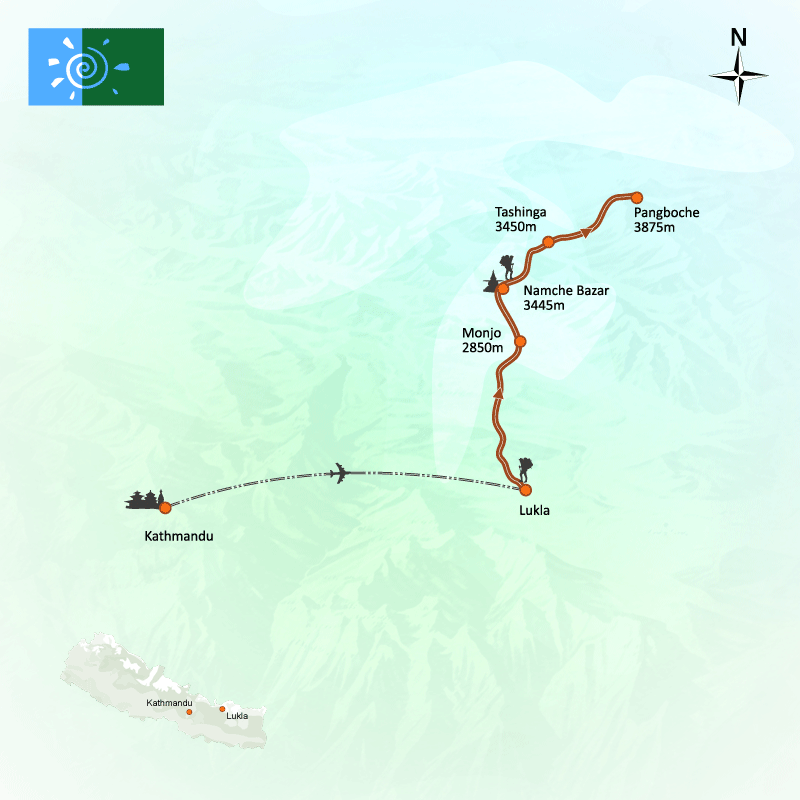
The Everest Lodge Comfort Trek offers a perfect blend of adventure, comfort, and culture in Nepal’s famous Khumbu region. This luxury Everest trek follows scenic Everest trekking trails while providing upgraded mountain lodge accommodation for a more relaxing Himalayan journey.
This carefully designed Everest trekking itinerary takes you through traditional Sherpa villages, ancient monasteries, and breathtaking alpine landscapes. Along the way, you will enjoy an authentic Sherpa cultural experience and stunning mountain scenery.
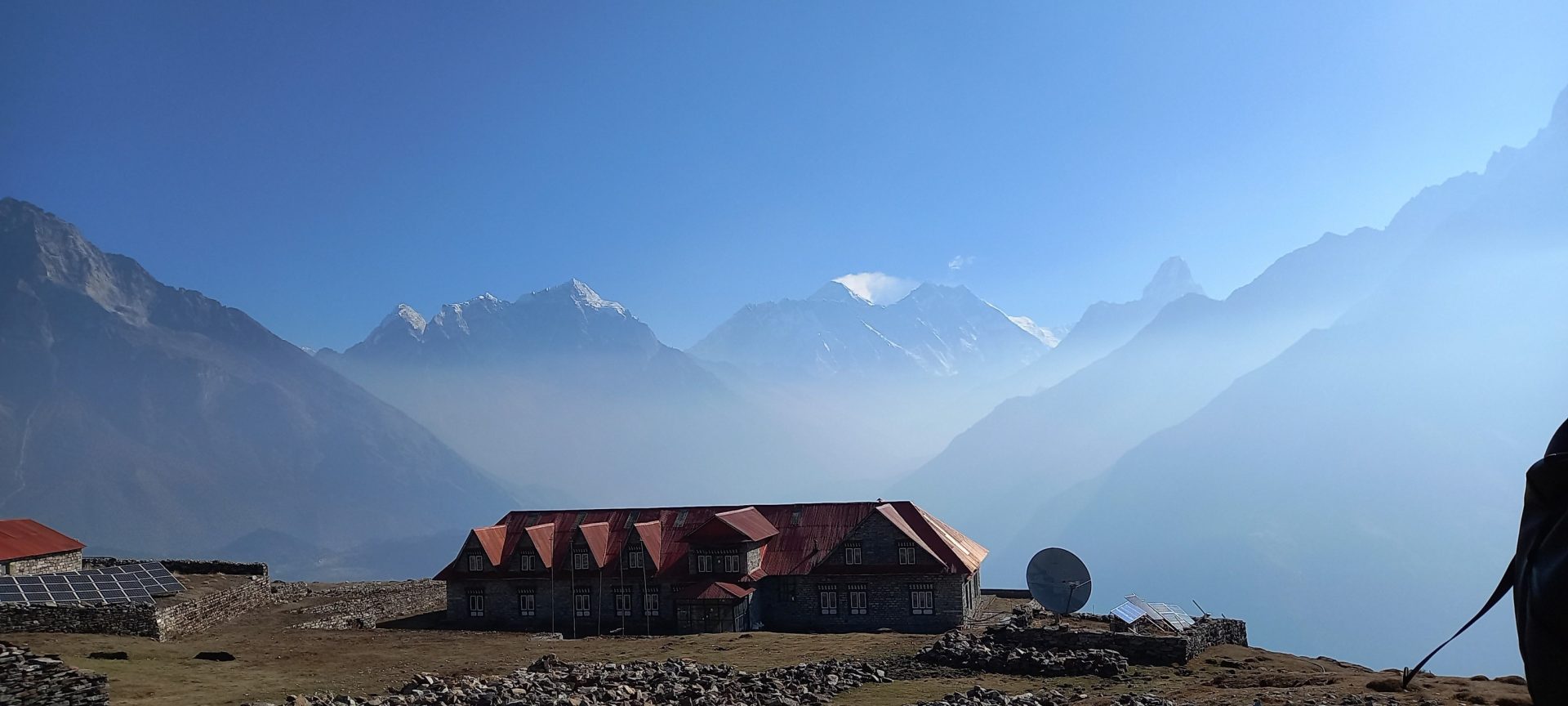
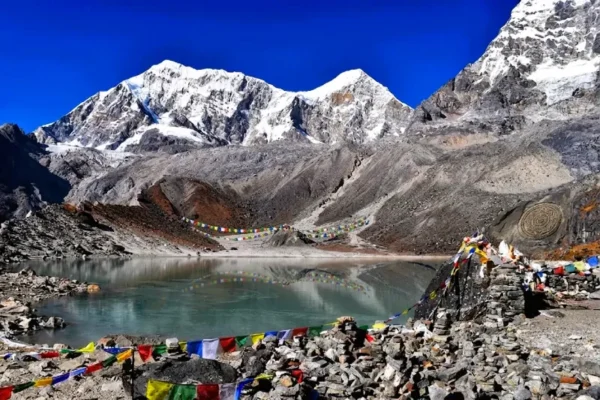
A major highlight of the trek is reaching Ama Dablam Base Camp at 4,600 meters. From here, trekkers enjoy close-up views of the majestic Ama Dablam along with panoramic vistas of world-famous Himalayan peaks, including Mount Everest, Lhotse, Cho Oyu, Nuptse, and Thamserku. These unforgettable mountain views make this trek one of the best luxury trekking experiences in the Everest region.
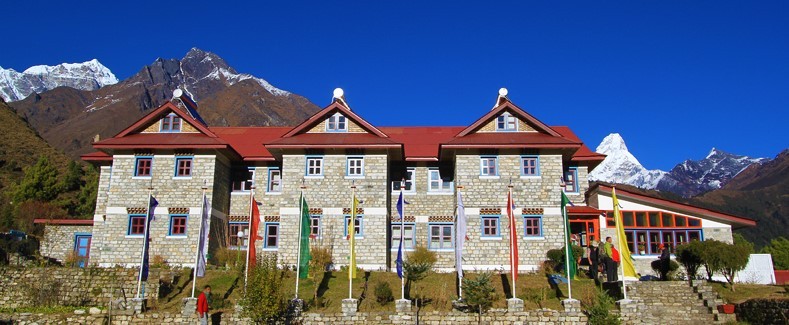
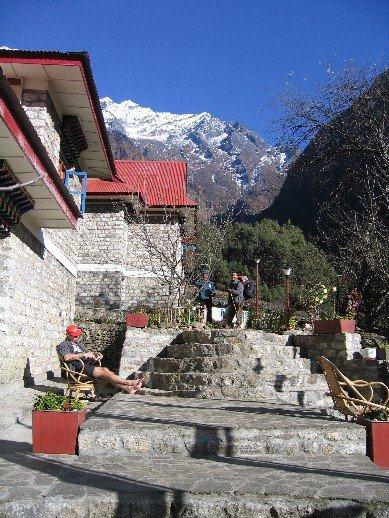
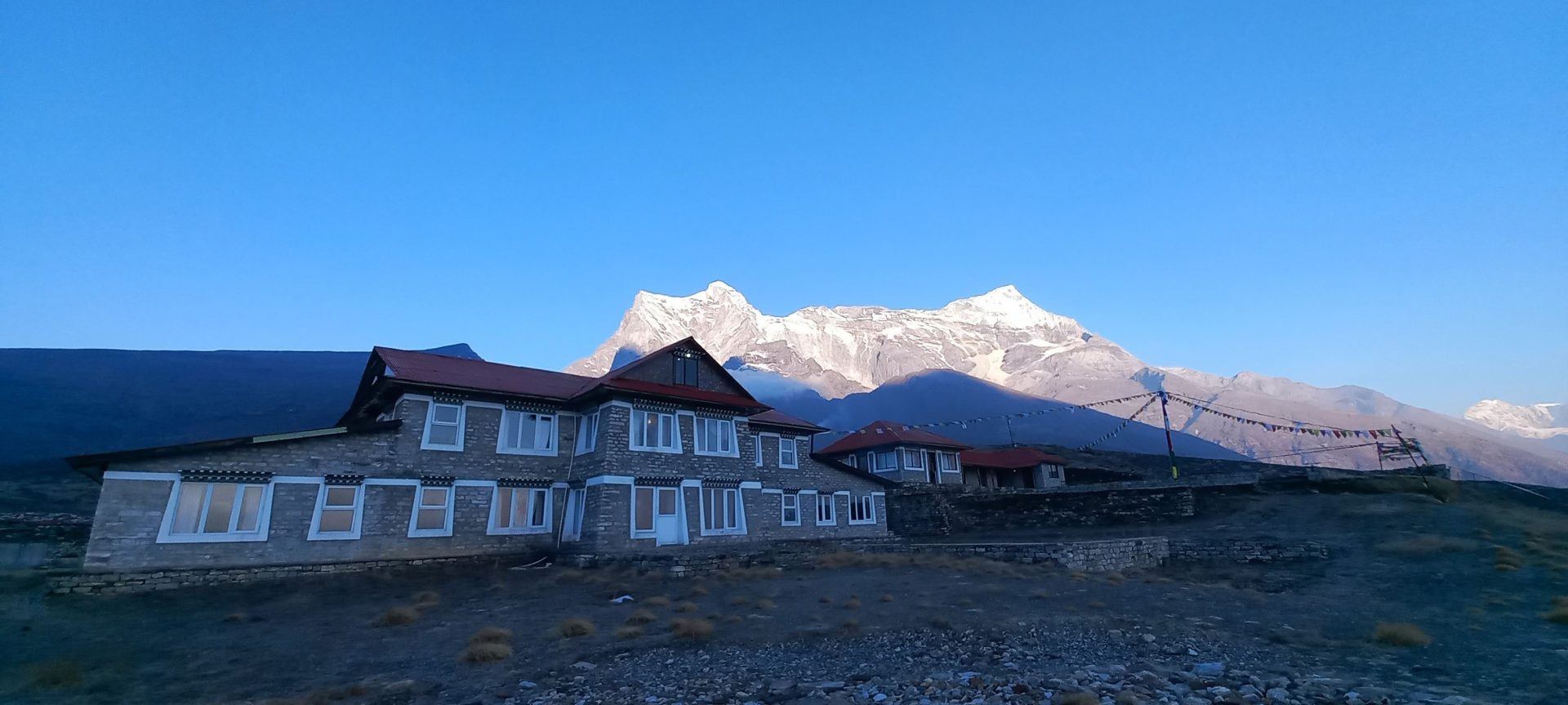
The route follows historic Everest trekking paths once used by legendary mountaineers. Each evening, you stay in carefully selected comfort lodges with cozy rooms, warm hospitality, en-suite facilities, and freshly prepared meals. These upgraded lodges help you relax and recover after each day of trekking.
The Everest Lodge Comfort Trek is ideal for travelers looking for a short luxury trek in Nepal without compromising comfort or Himalayan views. If you want a higher-altitude adventure, you can also explore the Everest Base Camp Comfort Trek. For a classic teahouse trekking experience, the Ama Dablam Base Camp and Everest Base Camp Trek is another excellent option.
The route follows established Everest trekking trails in Nepal used by early mountaineers. Nights are spent in handpicked comfort lodges that provide en-suite rooms, warm hospitality, and quality meals, ensuring better rest during the trek.
Why Choose Nepal Sanctuary Treks for Your Everest Lodge Comfort Trek?
With more than 27 years of Himalayan trekking expertise, Nepal Sanctuary Treks creates personalized Everest Lodge Comfort Trek experiences tailored to your travel style, fitness level, and schedule. Our experienced trekking guides prioritize safety while sharing deep knowledge of Sherpa culture, local traditions, and the rich history of the Everest region.
We operate small-group Everest Lodge Comfort Treks to provide better service, flexibility, and a more enjoyable trekking experience. By working with trusted local partners and following strict trekking safety standards, we ensure every journey across the Khumbu region remains safe, smooth, and rewarding.
As a Travelife Certified trekking company in Nepal, we are committed to responsible and sustainable tourism. Choosing our luxury Everest trekking package helps support local communities, preserve cultural heritage, and protect the fragile Himalayan environment for future generations.
This Everest Lodge Comfort Trek itinerary is a sample program only. We can fully customize the trek according to your interests, timeframe, and personal preferences.
Read our Reviews | Contact Us for Custom Treks
Note: Below trekking hours, altitudes and distances are approximate, and absolutely for the general idea only.
 Altitude:
4,600 m/15,092ft.
Altitude:
4,600 m/15,092ft.
 Difficulty:
Moderate
Difficulty:
Moderate