Trip Facts

icon-calendar
Trip Duration 11 Days
icon-meter
Trip Difficulty Moderate
icon-mountain
Maximum Altitude 3,850 m /12,631 ft.
icon-season
Best Season To Visit March-May, Mid September-Mid December
icon-group
Average Group Size Min. 2 pax

Trip Overview

The Ruby Valley Trek, tucked between Manaslu and Langtang National Park., is one of Nepal’s most rewarding and least-traveled trekking routes. This hidden Himalayan gem offers raw natural beauty, rich biodiversity, and authentic cultural encounters.

As you hike through this off-the-beaten-path trail, you’ll explore traditional mountain villages, stay in cozy homestays, and savor organic, locally prepared meals. The journey provides a genuine glimpse into rural Nepali life, far from commercial trekking crowds.

The Ruby Valley  Trek also showcases Nepal’s ecological diversity. Trekkers walk through forests filled with wildflowers, medicinal herbs, and may even spot rare wildlife like red pandas and Himalayan tahrs. The region is famous for its natural deposits of rubies and crystals, adding a unique twist to the trek.

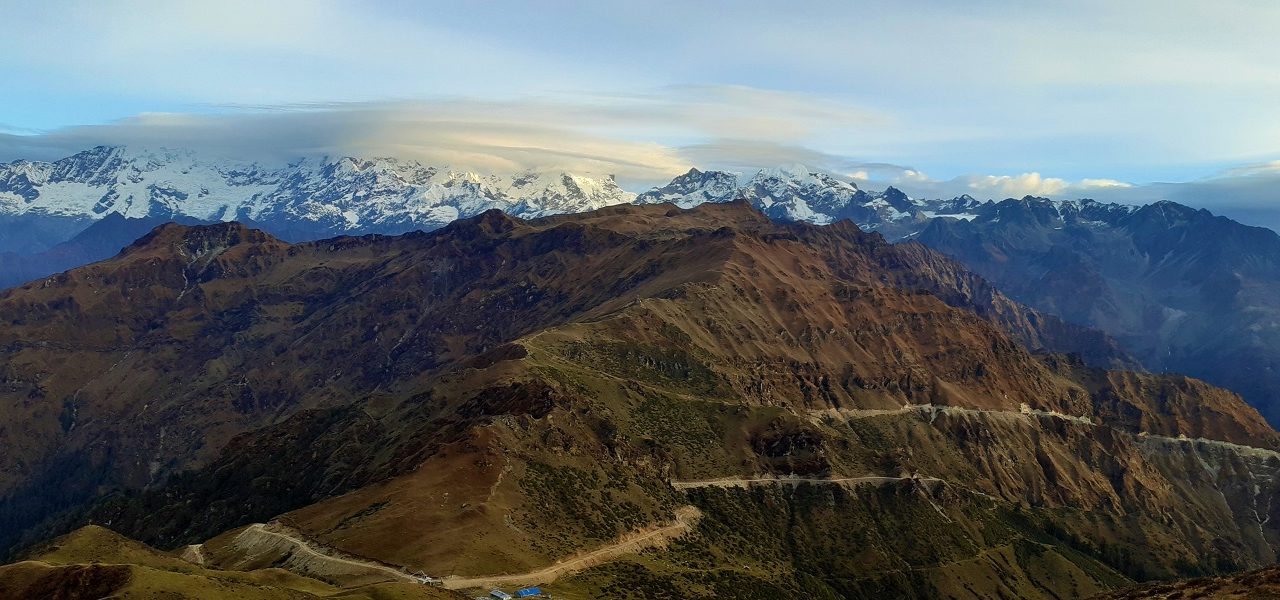
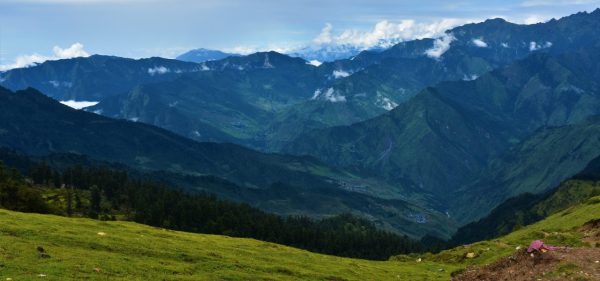
The trail winds past cascading waterfalls, terraced hillsides, vibrant rhododendron forests, and scenic pastures. Along the way, you’ll enjoy panoramic views of snow-capped Himalayan giants, including Ganesh Himal (Yangra Peak), Manaslu, Langtang, Paldor, and Lapsang Karbo.

One of the highlights of the Ruby Valley Trek is the ascent to Pangsang La Pass (3,842 m) — the highest point of the route. From the summit, you’re rewarded with sweeping views of the Ganesh Himal range and beyond .

Why Choose Ruby Valley Trek with Nepal Sanctuary Treks?

At Nepal Sanctuary Treks, we provide a personalized Ruby Valley Trek experience. With over 26 years of expertise in the field, we craft custom Ruby Valley Trek itineraries to suit your pace and preferences. Our experienced guides bring invaluable knowledge, offering insights into the rich local culture while ensuring your safety throughout the journey. They have trekked the Ruby Valley Trek many times and knows the region inside out.

We focus on small group sizes and rigorous safety protocols, providing you with personalized attention and safety. Our long-standing partnerships with trusted suppliers ensure you have carefully selected accommodations and reliable transportation during your Ruby Valley Trek.

As a Travelife Certified company, we are dedicated to promoting sustainable and eco-friendly travel. When you choose Ruby Valley Trek you support local communities and help minimize environmental impacts, making responsible tourism a key part of your adventure. Your safety, comfort, and unforgettable experience are our top priorities.

Contact us today to plan your tailored Ruby Valley Trek.

This is a sample Ruby Valley Trek itinerary. The program can be customized to suit your needs, preferences, and pace, ensuring a trekking experience that matches your interests and comfort level.

Note: below trekking hours, altitudes and distances are approximate, and absolutely for the general idea only.

Trip Itinerary

Day 01: Arrive at Kathmandu Airport

Altitude Above Sea Level: 1,302 m / 4,269 ft.
Driving Time: Approximately 30 minutes, depending on traffic conditions
Accommodation: Hotel Tibet or similar

Upon arrival at Tribhuvan International Airport in Kathmandu, you will be warmly welcomed by our representative, holding a “Nepal Sanctuary Treks” sign outside the terminal.

You will then be transferred to your hotel in a private vehicle. After checking in and freshening up, our representative will meet you for a detailed briefing on the upcoming itinerary, including important safety guidelines and hygiene practices to ensure a smooth and enjoyable trek.

Day 02: Cultural Introductory Tour and Trek Preparation

Altitude Above Sea Level: 1,302 m / 4,272 ft. – Kathmandu
Accommodation: Hotel Tibet or similar
Meal: Breakfast
It’s also a spare day in case of bad weather in Lukla if we could not fly on the scheduled date and time, or we can organize a guided day tour in or around Kathmandu.

9:00 AM: Guided Cultural Tour of Kathmandu Valley
Start your day with a guided cultural tour around Kathmandu Valley. Explore the vibrant Kathmandu with our expert guides, who will share insights into the area’s rich history.

Kathmandu Durbar Square
Visit Kathmandu Durbar Square (Hanuman Dhoka Durbar), a historical royal complex with temples, palaces, and shrines dating back to the 15th century. Key attractions include Kumari Ghar (the house of the living goddess) and Kasthamandap, built from a single tree.

Swayambhunath (Monkey Temple)
Next, head to Swayambhunath, the Monkey Temple, a sacred site for both Hinduism and Buddhism. Admire the stunning white dome and golden spire, while soaking in the serene atmosphere filled with incense and prayer wheels.

PM: Boudhanath Stupa
Visit the massive Boudhanath Stupa, a UNESCO World Heritage Site. It’s a spiritual center for Tibetan culture, surrounded by prayer flags, monks, and devotees chanting ‘Om Mani Padme Hum’.

Pashupatinath Temple
Conclude your tour at the Pashupatinath Temple, one of the most sacred Hindu temples, located along the Bagmati River. Here, you can witness profound spiritual rituals, including the moving sight of open-air cremations, which hold deep cultural significance. After immersing yourself in this sacred experience, you will transfer back to your hotel.

Day 03: Drive to Syabrubesi

Altitude Above Sea Level: 1,420 m/ 4,659 ft.-Syabrubesi
Drive Duration: Approx. 7 hours
Accommodation: Teahouse Lodge
Meals : Breakfast, Lunch, and Dinner

After an early breakfast, we begin our scenic drive to Syabrubesi, the starting point of the Langtang Valley trek. This drive offers stunning views of terraced hillsides, lush forests, and distant Himalayan peaks. As we navigate the winding mountain roads, we’ll pass through charming rural villages and observe locals going about their daily farming activities.

The drive is both adventurous and visually rewarding, with countless opportunities for photography and taking in Nepal’s diverse landscapes. Get ready for a memorable day of travel into the heart of the Himalayas.

Day 04: Trek to Gatlang

Altitude Above Sea Level: 2,240 m / 7,350 ft. – Gatlang
Hiking Duration: Approximately 6–7 hours (10.6 km / 6.59 mi)
Ascent: 1,180 m / 3,871 ft.
Descent: 319 m / 1,047 ft.
Accommodation: Homestay
Meals: Breakfast, Lunch, and Dinner

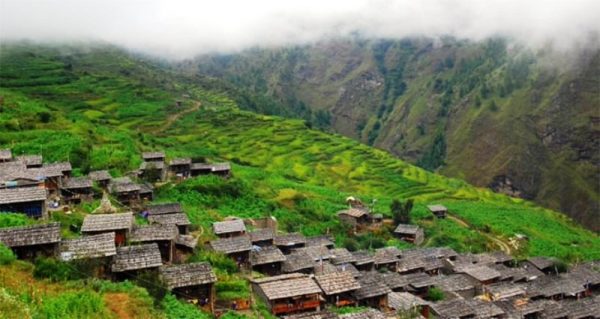
Start your day with a hearty breakfast before embarking on a steep uphill hike of about two hours to reach Bahundanda. From there, the trail eases into a gentler path, passing terraced farmlands, traditional villages, vibrant rhododendron and bamboo forests, grassy meadows, and breathtaking mountain panoramas, eventually leading to the charming village of Gatlang.

Perched on a hillside, Gatlang impresses with its authentic stone houses and rich local culture. On clear days, trekkers are rewarded with spectacular views of Langtang Lirung Peak to the east , a highlight not to be missed by adventure seekers and nature lovers.

Day 05: Trek to Somdang via Khurpa Pass

Altitude Above Sea Level: 3,258 m / 10,692 ft. – Somdang
Hiking Duration: Approximately 6–7 hours (16 km / 9.96 mi)
Ascent: 1,674 m / 5,492 ft.
Descent: 763 m / 2,503 ft.
Accommodation: Homestay
Meals: Breakfast, Lunch, and Dinner

Begin your day with a hearty breakfast before setting off on a mostly flat trail, followed by a steady 40-minute climb to the sacred Parvati Kunda Lake (2,240 m / 7,350 ft). This lake holds religious significance, as locals gather here annually to perform rituals during Janai Purnima.

Continue trekking through enchanting pine and oak forests to reach Yurikharka. The trail then ascends to Khurpa Danda Pass (3,610 m / 11,841 ft.), offering breathtaking panoramic views of the Annapurna and Langtang ranges. After soaking in the scenery, descend steeply toward the Somdang River and enter a picturesque valley. Along the way, pass the impressive Chukarma Waterfall before arriving at Somdang village in the afternoon.

Day 06: Rest day at Somdang

Accommodation: Homestay
Meals: Breakfast, Lunch, and Dinner

After enjoying a hearty breakfast, spend the day exploring the charming Somdang village. Nestled in a stunning location, Somdang offers panoramic views of the Ganesh and Jugal mountain ranges. You can also take an exciting hike to the nearby lead and zinc Lari mine, renowned for its rare and valuable rubies. From this vantage point, enjoy mesmerizing views of Paldor Peak along with other majestic peaks in the Ganesh Himal range.

Day 07: Trek to Pangsang La Pass

Altitude Above Sea Level: 3,850 m / 12,631 ft.-Pangsang La Pass
Hiking Duration: Approximately 3–4 hours (9 km / 5.6 mi)
Ascent: 580 m / 1,903 ft.
Accommodation: Tea House Lodge
Meals: Breakfast, Lunch, and Dinner

After a hearty breakfast, begin today’s trek toward Pangsang La Pass. Starting from Somdang, you’ll ascend through scenic landscapes, passing dense forests before reaching Pangsang Kharka, a beautiful alpine meadow. This spot offers breathtaking panoramic views of the majestic Manaslu and Ganesh Himal mountain ranges.

The area around Pangsang La Pass is also renowned for its rich variety of medicinal herbs. Historically, local communities collected these valuable herbs and traded them in Tibet in exchange for essential goods like salt, clothing, and food.

Day 08: Trek to Tipling

Altitude Above Sea Level: 1,890 m / 6,200 ft.-Tipling
Hiking Duration: Approximately 3–4 hours (10 km / 6.2 mi)
Descent: 1,600 m / 5,249 ft.
Accommodation: Homestay
Meals: Breakfast, Lunch, and Dinner

After a hearty breakfast, begin your descent to Tipling, a traditional Tamang village renowned for its deep-rooted Shamanism and Tantrism practices. Spend a relaxing afternoon exploring two Tibetan Gompas and Catholic churches in the village. Immerse yourself in the vibrant local culture, especially during the Mane Jatra festival in winter. If visiting during Janai Purnima, you may also witness Jhakri or Bombo (witchdoctors) performing traditional rituals.

Day 09: Trek to Chalise

Altitude Above Sea Level: 1,674 m / 5,495 ft. – Chalise
Hiking Duration: Approximately 3–4 hours (7 km / 4.3 mi)
Ascent: 200 m / 656 ft.
Descent: 400 m / 1,312 ft.
Accommodation: Homestay
Meals: Breakfast, Lunch, and Dinner

After breakfast, begin today’s trail with a descent through tranquil forests and small settlements toward the Adha Khola (river). Cross the river via a bridge, then follow a short, gentle climb to reach the sister villages of Shertung and, finally, Chalise Gaon.

Day 10: Trek to Dhundure

Altitude Above Sea Level: 900 m / 2,953 ft. – Dhundure
Hiking Duration: Approximately 6–7 hours (10 km / 6.2 mi)
Ascent: 50 m / 164 ft.
Descent: 600 m / 1,968 ft.
Accommodation: Tea House Lodge
Meals: Breakfast, Lunch, and Dinner

After breakfast, begin the trek from Chalise Gaon toward the area near Dhundure (Dondure Khola). The trail primarily involves a significant and steady descent, dropping substantially in elevation as you leave the mountain villages behind and make your way toward the lower valley floor.

Day 11: Drive back to Kathmandu

Altitude Above Sea Level: 1,302 m / 4,272 ft.
Driving Duration: Approximately 7 hours
Accommodation: Hotel Tibet or similar
Meals: Breakfast and Lunch

After breakfast, depart by vehicle for Dhading Besi. Enjoy a lunch break there before continuing your drive onward to Kathmandu, concluding the journey.

Day 12: Final Departure

Meal: Breakfast

As your unforgettable journey comes to an end, it’s time to fly back home, cherishing all the incredible memories of Nepal. A representative from Nepal Sanctuary Treks will transfer you to Tribhuvan International Airport (TIA). Please make sure to check in 3 hours prior to your scheduled flight for a smooth departure.

Price Included

What's Included

  • Private Airport transfer
  • Private transfer to/from a trek
  • Guided Kathmandu sightseeing tour with entrance fees
  • 3 nights in Hotel Tibet or similar in Kathmandu with breakfast
  • Tea house and homestay during the trek on full board
  • Trek Permits & National Park Fee,
  • Staff insurance on the trek,
  • Trek guide & porter
  • Map
  • Duffel bag

What's not Included

  • Lunch and Dinner in Kathmandu (approx. US$ 20 per day)
  • Beverages
  • Personal equipment,
  • Personal bills,
  • International airfare
  • Visa fee: US$ 30 for 15 days and US$ 50 for 30 days and US$125 for 90 days for multiple entries
  • Insurance (for cancellation, accident, health, emergency evacuation and loss, theft of or damage to baggage and personal effects),
  • Tips

Trip Important Notes

Ruby Valley Trek Difficulty Level and Fitness Requirements

The Ruby Valley Trek is rated as a moderate trek, making it suitable for those with a reasonable level of physical fitness and some prior trekking experience. It’s perfect for adventurers who seek a bit of a challenge while enjoying stunning Himalayan scenery and authentic cultural encounters.

This 7 to 9-day trek covers varied terrain, including dense forests, terraced farmlands, and rugged mountain ridges. Certain sections feature steep and uneven trails, which may be tough for first-time trekkers. You should be prepared to hike 5 to 7 hours daily at high elevations.

With proper training and preparation, even beginners can complete the Ruby Valley Trek. Activities such as hiking, swimming, cycling, or jogging several weeks before your trek can help improve your stamina and endurance for this incredible journey.

Ruby Valley Trek Temperature

The Ruby Valley Trek has different temperatures throughout the year. In autumn (September to November), daytime temperatures range from 10°C to 20°C, and nights are colder at 0°C to 10°C.

Winter (December to February) is very cold, with daytime highs of -5°C to 12°C and nights dropping to -10°C to 0°C. Spring (March to May) is milder, with daytime temperatures of 10°C to 25°C and nighttime temperatures of 5°C to 16°C.

The monsoon season (June to August) is warmer and wetter, with daytime temperatures of 15°C to 28°C and nights between 10°C and 19°C. Temperature is affected by altitude, dropping about 6°C for every 1,000 meters gained.

Sun exposure can make daytime trekking feel warmer, but it gets very cold after sunset or in shaded valleys. Some passes, like Pangsang La, may be extremely cold or even impassable in winter due to snow.

Ruby Valley Trek Packing List

Footwear:

  • Walking boots. A pair of water-repellent boots with ankle support.
  • Walking socks.
  • Yaktrax
  • Trainers or trail shoes. Can be used in and around the lodge in the afternoons/evenings.

Clothing:

  • Waterproof jacket and trousers (Gore-Tex or similar).
  • Trekking trousers.
  • Long sleeve shirts (not cotton).
  • Mid to heavyweight fleece.
  • Sleeveless or body warmer type fleece.
  • Thermals or base layer for top & bottom (merino wool or synthetic).
  • Fleece pants.
  • Medium weight down jacket (e.g.: Nuptse jacket by The North Face).

Hand wear:

  • Fleece gloves.
  • Warms mittens and/or gloves.

Headwear:

  • Wool or fleece hat.
  • Sun hat.
  • Bandana or scarf.
  • Head torch. Bring extra batteries.
  • Sunglasses.

Personal Equipment:

  • Day pack (you’ll need during the day, such as warm clothes, a jacket, a camera, water bottles, snacks, and a personal first aid kit. Keep your daypack under 5 kg. A porter will transport the rest of your personal gear in a duffel or kit bag, which should not exceed 15 kg per trekker. Clearly mark your bag to help identify it easily.)
  • Stuff sacks for keeping your gear dry and organized.
  • Water bottles (Nalgene wide-mouth bottles are the best).
  • Sunscreen and lip salve with a high SPF.
  • Water purification tablets (Aqua Tab, Chlorine dioxide).
  • Favourite snack food.
  • Trekking poles (optional).
  • Sleeping bag ( available for rental in Kathmandu approx.@ US$1.5/day)
  • Camera with spare batteries and memory cards.
  • Insurance certificate.
  • Flash Light
  • Earplugs (optional).
  • Hand sanitizer
  • Face Mask
  • Spare cash for extra expenses like hot shower, boiled water, gadget charging during trek

Traveling:

  • Bring a small combination padlock to secure the bag.
  • Travel clothes. You will need casual clothing for air travel days and time spent in Kathmandu.
  • Toiletry bags include toilet paper, soap, towel, toothbrush, etc.
  • Quick dry towel

Personal first aid kit: Note: Nepal Sanctuary Treks provides a comprehensive group first aid kit, but please bring personal medications and other items you might use regularly.

Accommodation and Meals during Ruby Valley Trek

Accommodation on the Ruby Valley Trek is a mix of basic teahouses, lodges, and homestays. Since this is a remote, off-the-beaten-path route, facilities are simpler than in popular trekking areas like Annapurna or Everest. Homestays, common in villages such as Darkha, Jharlang, Borang, Sertung, Chalish, and Gatlang, provide an authentic cultural experience with local Tamang and Gurung families.

Teahouses and lodges in larger villages like Syabrubesi, Gatlang, and Somdang offer simple rooms with basic amenities. Rooms usually include a bed, mattress, pillow, and blanket, though bringing a sleeping bag is recommended, especially at higher altitudes.

Bathrooms are generally shared squat-style toilets. Hot showers are often available for an extra fee of around $2–$4 USD.

Teahouses also feature a communal dining hall, which is often heated by a wood-burning stove in the evenings. This hall serves as the main social space and is usually the only place to charge devices for an additional fee.

Food on the Ruby Valley Trek is simple, hearty, and locally sourced, primarily served in homestays and lodges. Menus are smaller than on popular trekking routes, focusing on traditional Nepali dishes with some Tibetan and basic international options.

Breakfast and dinner are usually provided at your lodge, while lunch is eaten at trail-side restaurants.  Breakfast typically includes porridge, pancakes, Tibetan bread, chapati, and eggs, while lunch and dinner often feature fried noodles (chow mein), noodle soup (thukpa), pasta, vegetable momos, potato dishes, and fried rice with vegetables and eggs.

The staple dal bhat (rice with lentil soup and vegetable curry) and other local dishes are highly recommended.

To avoid stomach issues, it is best to skip meat dishes, use hand sanitizer when handling money, and pay separately for items not included in the set menu.

Electricity during Ruby Valley Trek

Most villages on the Ruby Valley Trek have electricity, but reliability drops at higher altitudes. Lower villages like Syabrubesi, Gatlang, and Sertung are connected to the grid, while places like Somdang and Pangsang La Pass rely on solar power, so charging can be tricky in cloudy or snowy weather.

Homestays and teahouses usually have central charging points, not in-room sockets, with a small fee of NPR 150 to 500 ($1 to $4 USD). Nepal uses Type C and Type D/M plugs, so bring a universal adapter.

Cold temperatures drain batteries fast, so carry a high-capacity power bank and a headlamp with spare batteries. Save power by lowering screen brightness, switching off GPS and Wi-Fi, and keep devices warm in your backpack or jacket pockets when not in use.

Communication on Ruby Valley Trek

Communication on the Ruby Valley Trek is possible through mobile networks and Wi-Fi at teahouses, although connectivity is more limited than on popular trekking routes. Nepal Telecom (NTC) provides the most reliable coverage in remote areas and most lower- and mid-elevation villages, while Ncell works better in urban areas but is patchy at higher altitudes.

It is recommended to purchase an NTC SIM card with a data package in Kathmandu, which requires a passport and photo.

Network availability depends on location and weather, and some high-altitude areas, such as Pangsang La Pass, may have no signal. Many teahouses and homestays offer Wi-Fi for a fee of $1 to $5 USD per hour, but speeds are generally slow and suitable only for basic messaging or email. Both Wi-Fi and charging often rely on solar power, which can be inconsistent on cloudy days.


Faqs

Where in Tribhuvan airport I will be paying my visa fee?  I’ve already completed the application online but I’m unclear where I make my payment at the airport.  

Since you completed the process online, you will receive a submission receipt with a barcode. Please print this receipt and bring it with you when you visit the visa fees collection counter. Make sure about the type of visa you will need (15 days, 30 days, or 90 days) and make the payment accordingly. We recommend you bring the exact amount in US currency of the current visa fee while paying at the visa counter.

Next, you should head to the Immigration Desk, taking along your online application form, payment receipts, and your passport. Hand over these documents to the immigration officer to initiate the visa processing procedure.

Do I have a porter for the trek?

Porter for the trek services are included to make your journey easier and more comfortable. Keep your daypack under 5 kg with essentials like warm clothes, water, snacks, and a first-aid kit. Porters carry up to 15 kg in a labeled duffel bag.

Contact us for more information.

Do we have one guide and one porter assigned for each person ?

There will be one main guide and one porter for every two trekkers. If the group size is four or more, we will supply an additional guide.

Can I rent or buy trekking equipment in Nepal?

Yes, you can rent or purchase trekking gear in Kathmandu or Pokhara, including items like sleeping bags, down jackets, and trekking poles. Make sure to check the quality and condition of rented equipment. For instance, sleeping bags are available for rent at rates ranging from USD 1 to USD 1.50 per day. For more information, please contact [email protected].

Are there any specific dietary requirements for the meals provided during the trek?

Dietary requirements should be noted on the pre-trip form from Nepal Sanctuary Treks. Based on your information, we will tailor meals during the trek to accommodate any allergies or preferences.

How do Nepal Sanctuary Treks guides keep clients safe during treks?

Monitoring Health: Guides use oximeters to check clients’ oxygen levels daily, carry a first aid kit, and utilize the Lake Louise Form to monitor altitude sickness.

Communication: They are equipped with local SIM cards and satellite phones for continuous updates.

Emergency Response: In emergencies, they promptly notify the Kathmandu office and CIWEC clinic and are prepared to arrange critical support, including helicopter evacuations for severe medical issues.

Ask Our Travel Expert

Affiliations & Recommendations

Ruby Valley Trek