What to Pack for Mardi Himal Trek
Footwear:
- Walking boots. A pair of water-repellent boots with ankle support.
- Walking socks.
- Yaktrax
- Trainers or trail shoes. Can be used in and around the lodge in the afternoons/evenings.
Clothing:
- Waterproof jacket and trousers (Gore-Tex or similar).
- Trekking trousers.
- Long sleeve shirts (not cotton).
- Mid to heavyweight fleece.
- Sleeveless or body warmer type fleece.
- Thermals or base layer for top & bottom (merino wool or synthetic).
- Fleece pants.
- Medium weight down jacket (e.g.: Nuptse jacket by The North Face).
Hand wear:
- Fleece gloves.
- Warms mittens and/or gloves.
Headwear:
- Wool or fleece hat.
- Sun hat.
- Bandana or scarf.
- Head torch. Bring extra batteries.
- Sunglasses.
Personal Equipment:
- Day pack (you’ll need during the day, such as warm clothes, a jacket, a camera, water bottles, snacks, and a personal first aid kit. Keep your daypack under 5 kg. A porter will transport the rest of your personal gear in a duffel or kit bag, which should not exceed 15 kg per trekker. Clearly mark your bag to help identify it easily.)
- Stuff sacks for keeping your gear dry and organized.
- Water bottles (Nalgene wide-mouth bottles are the best).
- Sunscreen and lip salve with a high SPF.
- Water purification tablets (Aqua Tab, Chlorine dioxide).
- Favourite snack food.
- Trekking poles (optional).
- Camera with spare batteries and memory cards.
- Insurance certificate.
- Flash Light
- Earplugs (optional).
- Hand sanitizer
- Face Mask
- Spare cash for extra expenses like hot shower, boiled water, gadget charging during trek
Traveling:
- Bring a small combination padlock to secure the bag.
- Travel clothes. You will need casual clothing for air travel days and time spent in Kathmandu.
- Toiletry bags include toilet paper, soap, towel, toothbrush, etc.
- Quick dry towel
Personal first aid kit: Note: Nepal Sanctuary Treks provides a comprehensive group first aid kit, but please bring personal medications and other items you might use regularly.
Mardi Himal Trek Temperature Guide (By Season & Elevation)
Understanding the Mardi Himal Trek temperature is essential for planning your trip. Weather conditions vary significantly by season, month, and altitude, so here’s a complete breakdown.
Spring (March – May)
During spring, the Mardi Himal Trek weather is stable and ideal for trekking.
- Daytime Temperature: 10°C to 20°C
- Night Temperature: 0°C to -10°C
- Best for clear skies and rhododendron blooms
Autumn (Mid-September – November)
Autumn is the best season for Mardi Himal Trek with perfect visibility.
- Daytime Temperature: 12°C to 22°C
- Night Temperature: 8°C to -10°C
- Dry trails and panoramic mountain views
Winter (December – February)
Winter brings colder conditions and fewer crowds.
- Daytime Temperature: 0°C to 12°C
- Night Temperature: -5°C to -15°C
- Snowfall common at higher elevations
Monsoon (June – August)
Monsoon season means rain, humidity, and lush greenery.
- Daytime Temperature: 15°C to 25°C
- Night Temperature: 8°C to 15°C
- Slippery trails and limited mountain views
Mardi Himal Trek Temperature by Elevation
Lower Altitudes (1,500m – 2,500m)
- Warm and comfortable during the day
- Day Temperature: up to 20°C–35°C (especially around Forest Camp)
- Nights are cool but rarely freezing
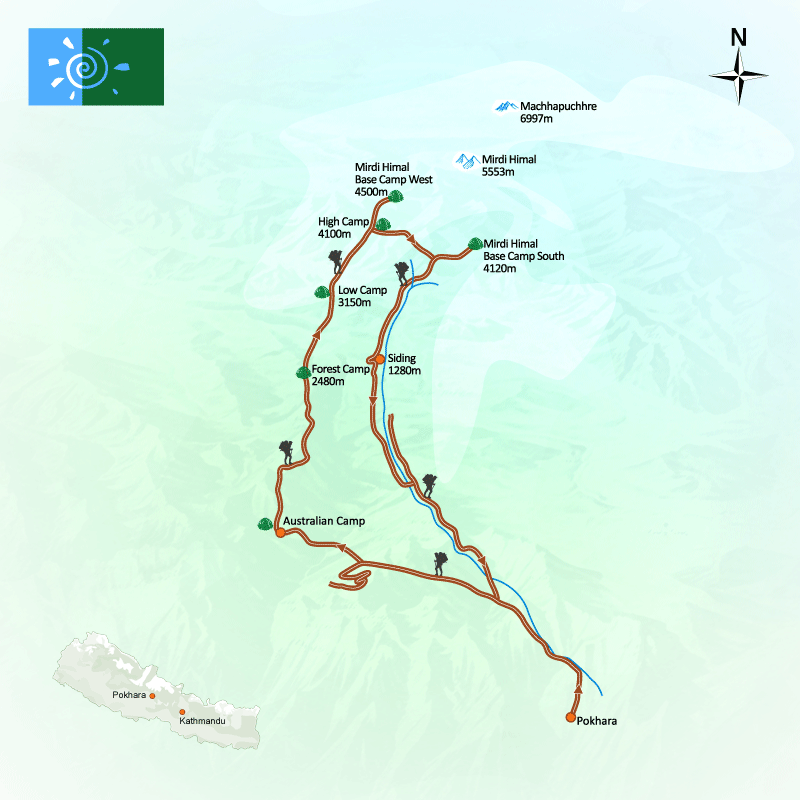
High Camp (3,580m)
- Noticeably colder with strong winds
- Day Temperature: 5°C to 17°C
- Night Temperature: -2°C to -15°C
Mardi Himal Base Camp (4,500m)
- Coldest point of the trek
- Typically 5°C–10°C colder than High Camp
- Winter nights can drop below -15°C
Mardi Himal Trek Accommodation
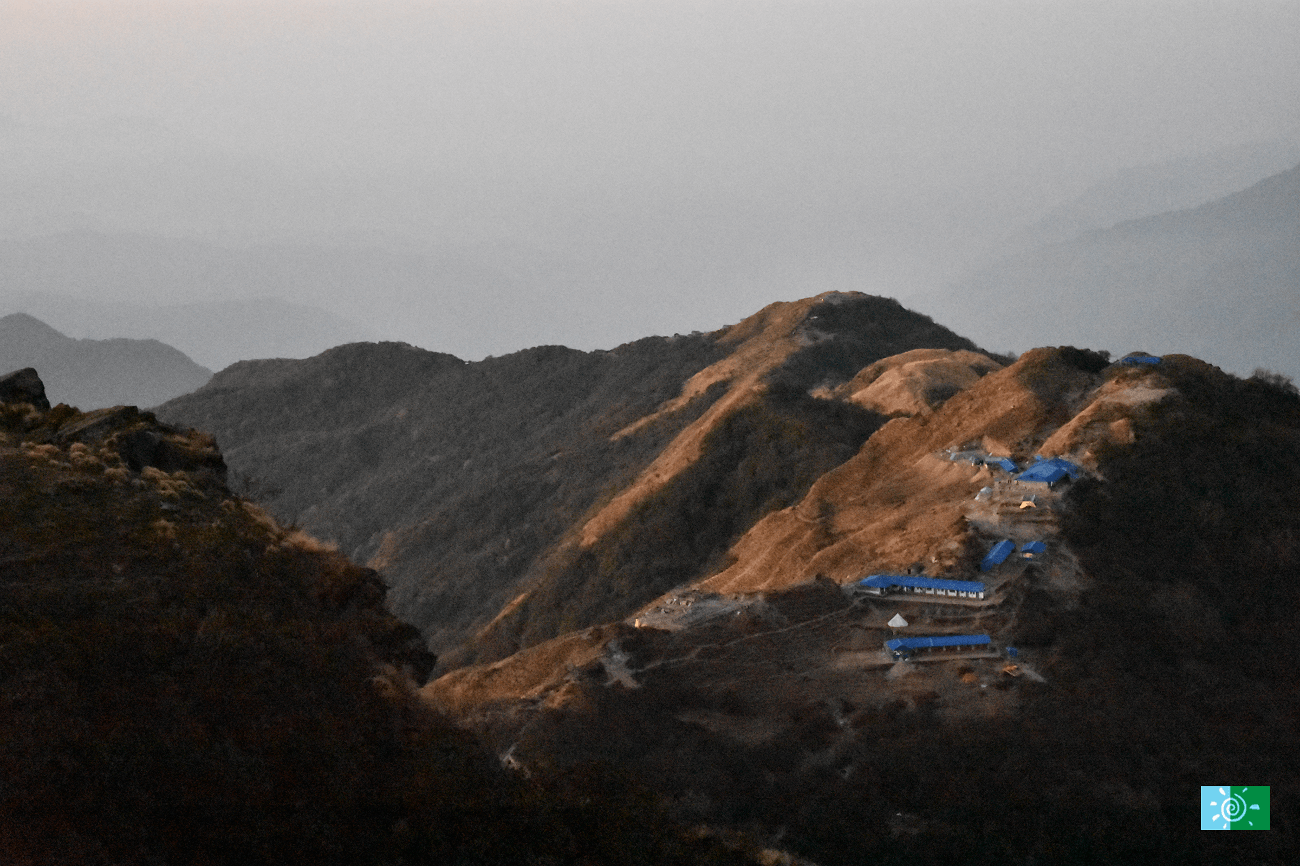
The Mardi Himal Trek accommodation mainly includes traditional teahouses that provide simple and basic facilities for trekkers.
Along the trail, these teahouses offer twin-sharing rooms with two single beds, along with a mattress, pillow, and blanket. As temperatures drop at higher altitudes, many trekkers choose to bring a sleeping bag for extra warmth and comfort.
Rooms and Bedding
Rooms in teahouses are clean but quite basic. While blankets are available, they may not be warm enough during cold nights, especially near High Camp.
Bathrooms and Toilets
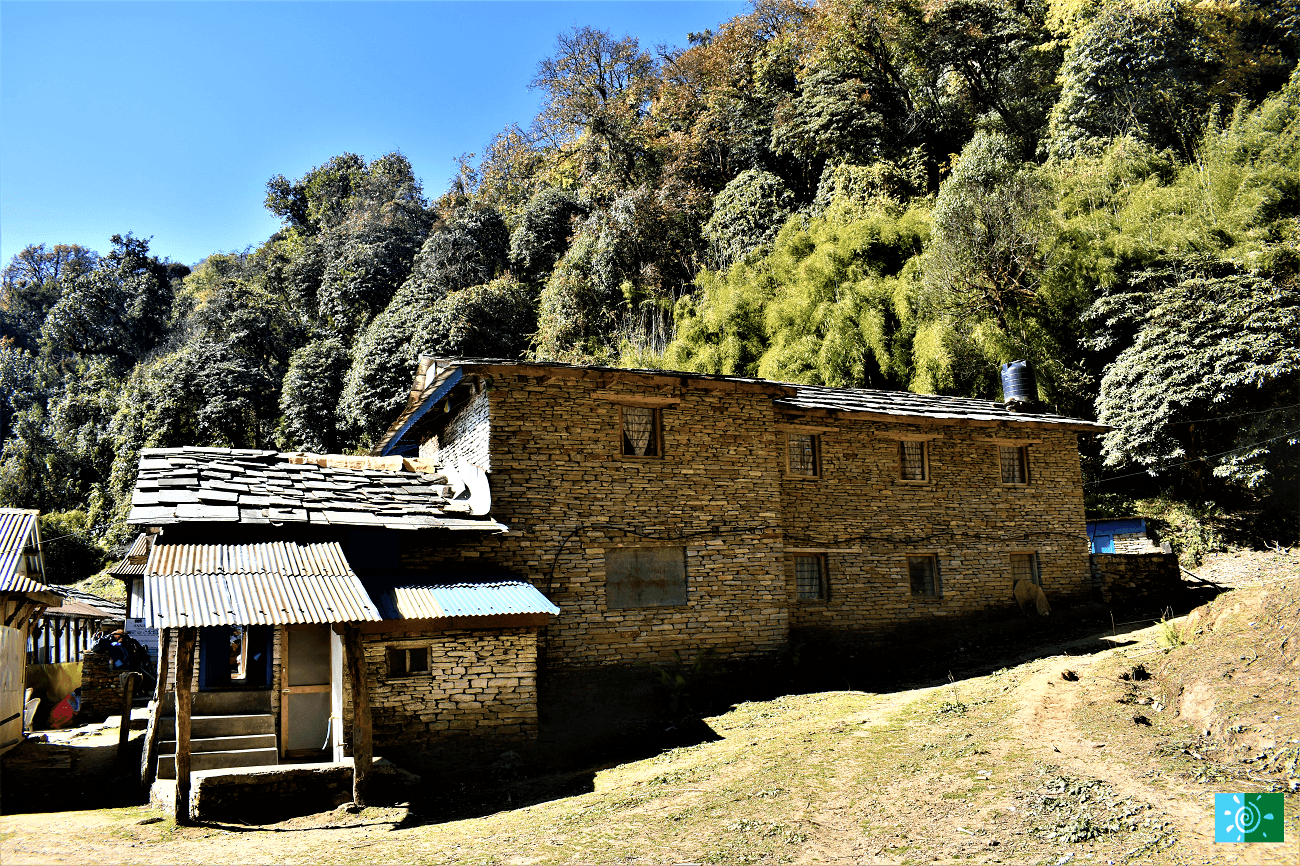
Most lodges have shared bathrooms with traditional Asian-style squat toilets. In lower areas like Low Camp, some teahouses also provide Western-style toilets.
Hot Showers
You can find hot showers at lower elevations, particularly in Low Camp. However, as you move higher especially towards High Camp; hot shower facilities become limited or unavailable.
Dining Area and Heating
Teahouses usually have a cozy shared dining area where trekkers eat and relax. These spaces often include a stove or fireplace, which helps keep everyone warm in the cold mountain weather.
Upper Mustang Trek Cost
The Upper Mustang Trek is one of the most premium trekking experiences in Nepal due to its restricted area permit requirements, remote location, and unique cultural preservation zone. On average, the total cost of the Upper Mustang Trek ranges from USD 2,500 to USD 4,500 per person, depending on itinerary length, group size, and service level.
A standard package generally includes accommodation in Kathmandu and during the trek, meals, licensed guide, porter services, transportation (flight or jeep), permits, and all government taxes.
Key cost components include:
- Domestic flight or jeep (Kathmandu–Pokhara–Jomsom)
- Licensed trekking guide (USD 30–40/day)
- Porter services (USD 20–30/day)
- Meals and accommodation in teahouses
- Restricted Area Permit fees
- ACAP permit
Because Upper Mustang is a remote “Forbidden Kingdom” region, logistics and permits significantly increase the overall trekking cost compared to other Annapurna region treks.
Upper Mustang Trek Permit Cost
Upper Mustang is a restricted trekking region, so special permits are mandatory and strictly regulated by the Government of Nepal.
Restricted Area Permit (RAP)
The main permit required is the Upper Mustang Restricted Area Permit:
- USD 500 per person for the first 10 days
- USD 50 per person per additional day
This is one of the highest trekking permit fees in Nepal due to the region’s protected cultural and geopolitical importance.
Annapurna Conservation Area Permit (ACAP)
Since Upper Mustang lies within the Annapurna Conservation Area, trekkers must also obtain:
- ACAP Permit: approximately USD 30 per person
Important Rules
- A minimum of 2 trekkers is required
- Trekking must be done through a registered trekking agency
- Independent trekking is not allowed in Upper Mustang
These regulations help preserve the ancient Tibetan-influenced culture of Lo Manthang and surrounding villages.
How to Reach Upper Mustang
Reaching Upper Mustang involves a combination of air travel, road travel, and trekking, as the region lies in a remote Himalayan desert north of the Annapurna range.
Step 1: Kathmandu to Pokhara
Flight: ~25 minutes
Tourist bus: 6–8 hours
Pokhara is the main gateway to Mustang and offers the easiest connection to the trekking route.
Step 2: Pokhara to Jomsom
Flight: 20–25 minutes (most popular option)
Jeep via Beni–Tatopani–Kagbeni: 8–10+ hours
The flight offers dramatic views of Annapurna and Dhaulagiri ranges and is widely preferred.
Step 3: Trek to Upper Mustang (Lo Manthang Region)
From Jomsom, the trek begins through the Kali Gandaki Valley, passing key villages such as:
- Kagbeni (entry checkpoint to Upper Mustang)
- Chele
- Syangboche
- Ghami
- Tsarang
- Lo Manthang (walled capital of the Kingdom of Lo)
This route gradually ascends through a high-altitude desert landscape, Tibetan monasteries, ancient caves, and traditional mud-brick settlements.
Alternative Option
For luxury travelers, helicopter flights from Pokhara or Kathmandu to Lo Manthang are also available, significantly reducing travel time while offering panoramic Himalayan views.
Mardi Himal Trek Electricity
Electricity on the Mardi Himal Trek varies depending on altitude and location.
In lower areas like Kande, Pothana, and Landruk, teahouses have a stable power supply from the national grid. Many lodges even provide charging outlets inside the rooms.
At higher places such as Forest Camp and High Camp, teahouses use solar power or small hydropower systems. Because of this, you can usually charge your devices only in the dining area.
Trekkers should expect to pay between NPR 100 to NPR 500 ($1–$4 USD) per device for charging. Prices typically increase with altitude due to limited energy resources.
Solar charging can be slow and unreliable, especially during cloudy or rainy weather. This makes power availability inconsistent at higher elevations.
Nepal mainly uses Type C (two-pin) and Type D (three-pin) sockets. Carrying a universal travel adapter is highly recommended for hassle-free charging.
Communication on the Mardi Himal Trek
Communication on the Mardi Himal Trek depends on mobile networks and paid Wi-Fi, but both become less reliable at higher altitudes.
Before starting your trek, buy a local SIM card like Nepal Telecom (NTC) or Ncell in Kathmandu or Pokhara. This will help you stay connected during the trek.
In lower areas such as Kande, Pothana, and Forest Camp, mobile coverage is usually good, and you may even get 3G or 4G internet.
As you go higher to places like High Camp and Badal Danda, the signal becomes weak or may stop completely. In these remote areas, NTC often works better than NCELL.
Wi-Fi on the Trek
Most teahouses provide Wi-Fi for an extra cost, usually between NPR 100 and NPR 500 per device. However, the connection is slow and works best for simple tasks like messaging or short emails.
Mardi Himal Trek Difficulty, Fitness & Preparation
The Mardi Himal Trek is moderate and suitable for beginners, but it still requires good physical fitness. You will encounter long uphill climbs and high-altitude sections throughout the trek.
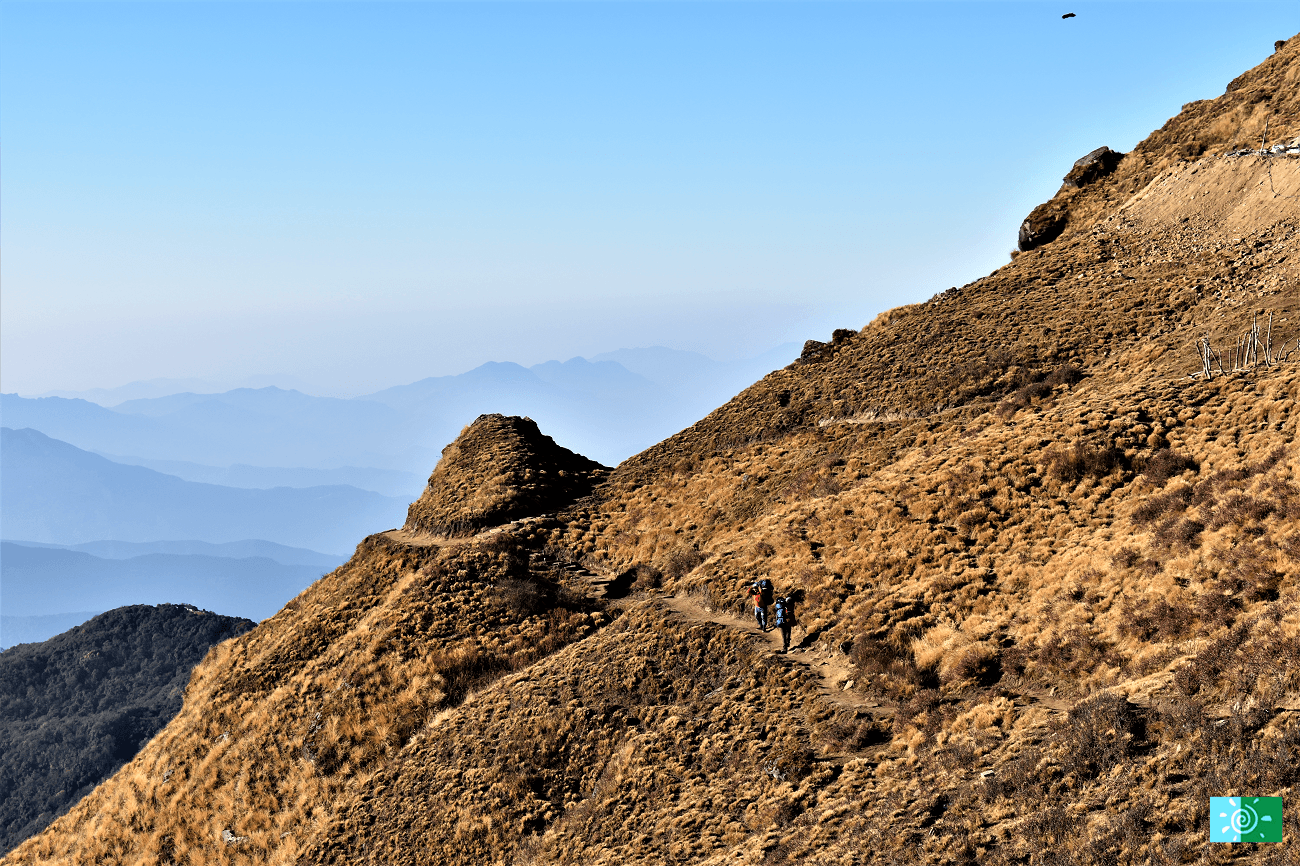
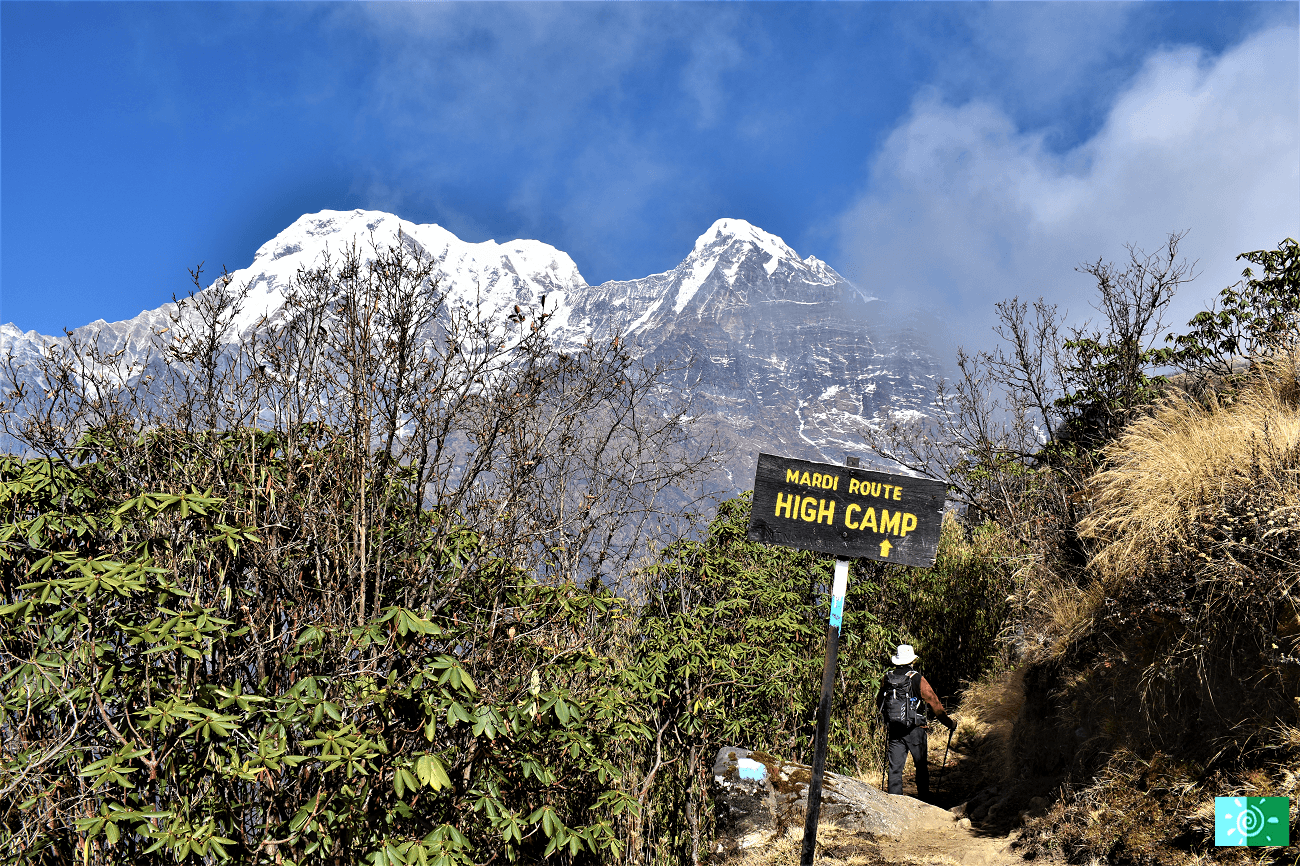
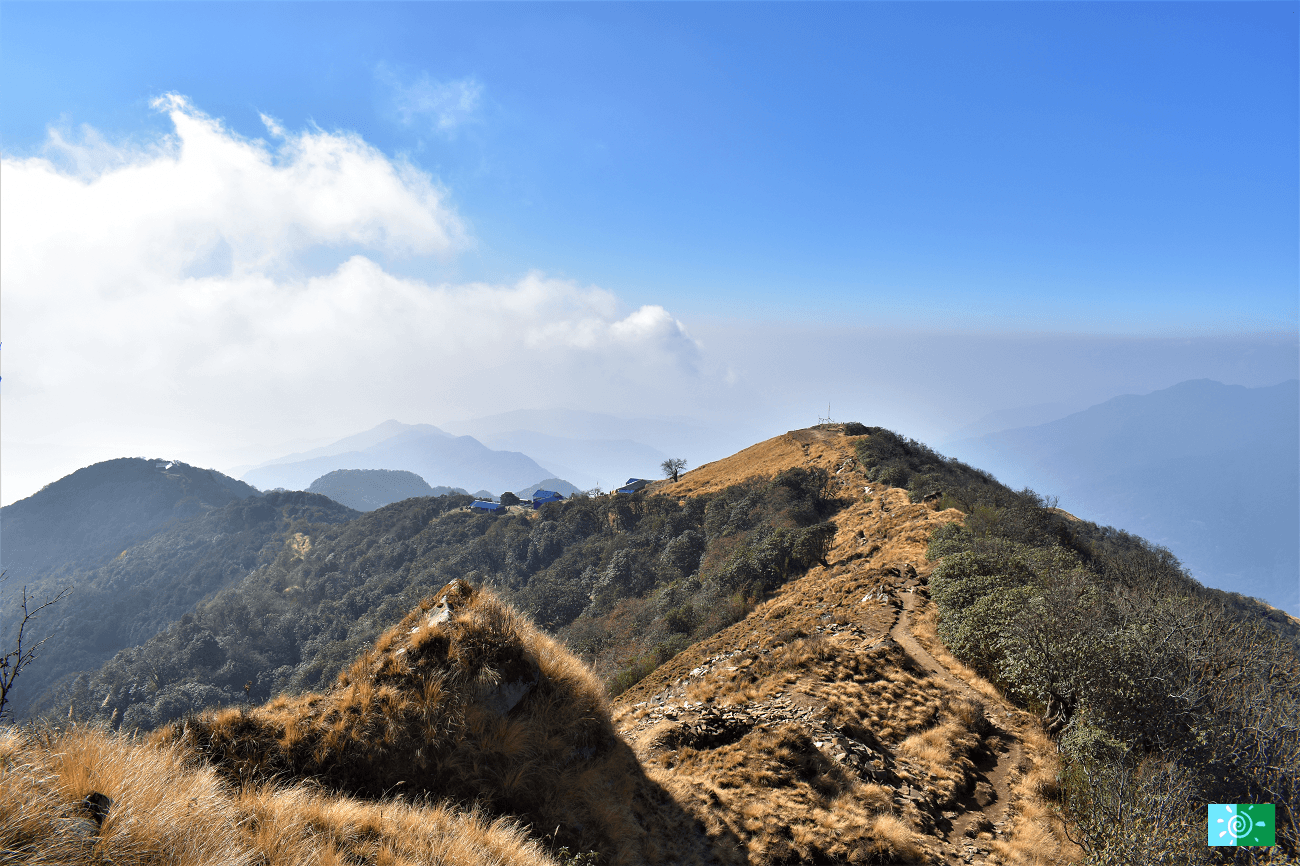
In the lower part of the trail, you walk on stone staircases through forests. As you go higher, the route becomes more challenging with narrow ridges, rocky paths, and loose scree.
Fitness Level Required
You should be able to walk 5–7 hours uphill each day while carrying a light backpack. As a simple fitness check, try jogging 3 km in 25–30 minutes or climbing stairs with some weight.
Training Before the Trek
Start preparing at least 6–8 weeks in advance. Focus on:
- Cardio exercises like walking, running, or cycling
- Leg strength training such as squats and lunges
- Practicing hikes with a backpack
- Stretching, yoga, or mobility exercises to prevent injury
Mental Preparation
Mental strength is just as important as physical fitness. Listen to your body and take breaks when needed. Stay motivated by setting small daily goals.
Wear layered clothing to handle changing temperatures, and keep realistic expectations about food and accommodation. You can also practice yoga or meditation to improve focus and reduce stress.
ATMs on the Mardi Himal Trek
There are no ATMs along the Mardi Himal Trek route. You can only withdraw cash in major cities like Kathmandu and Pokhara before starting your trek.
The entire trek runs on cash. Teahouses, small shops, and local vendors accept only Nepali Rupees. Most places do not accept credit or debit cards, especially in remote villages.
Make sure you carry enough cash for your trek. You will need spare cash for services like hot showers, charging your devices, and buying boiled water.




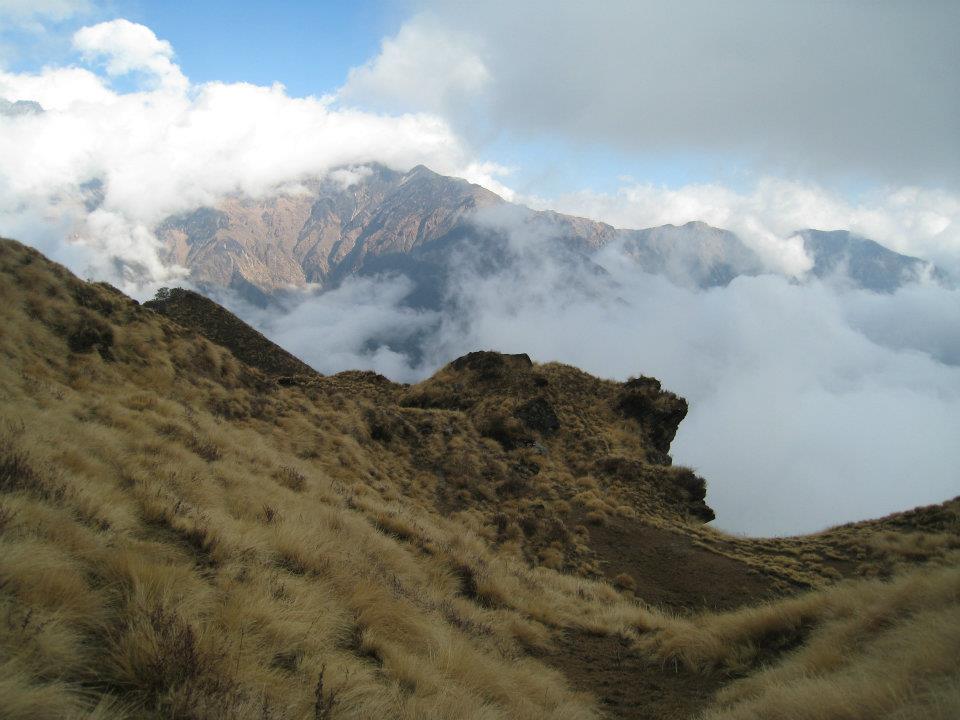
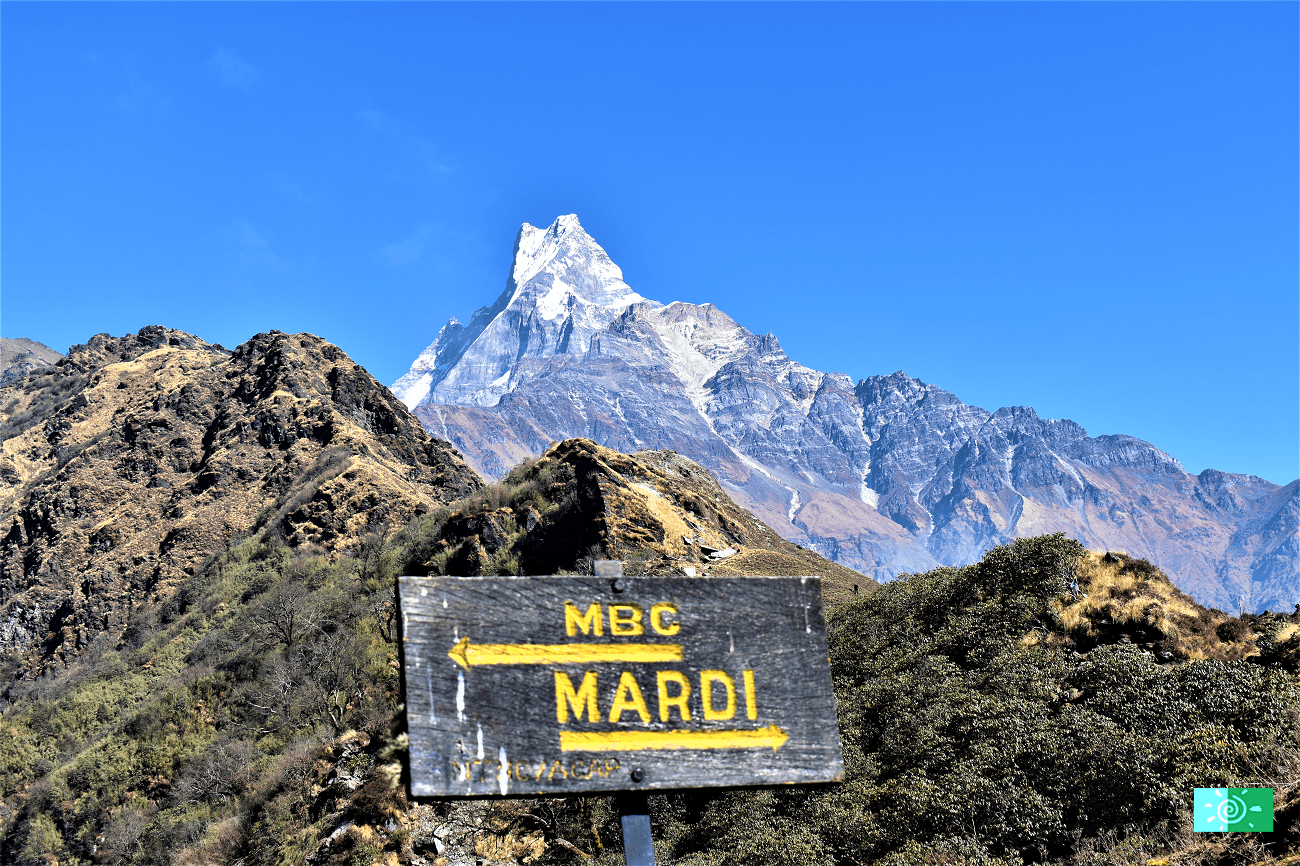
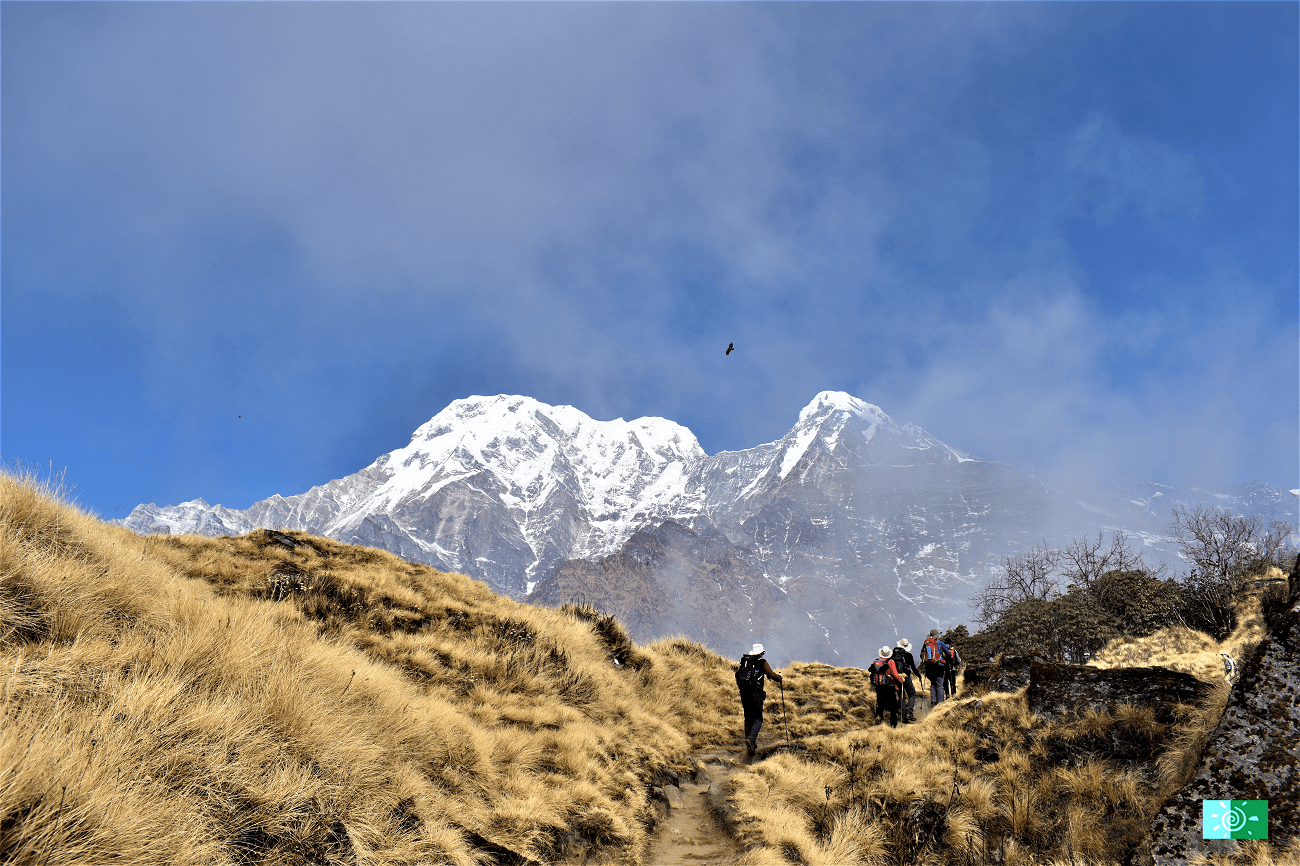
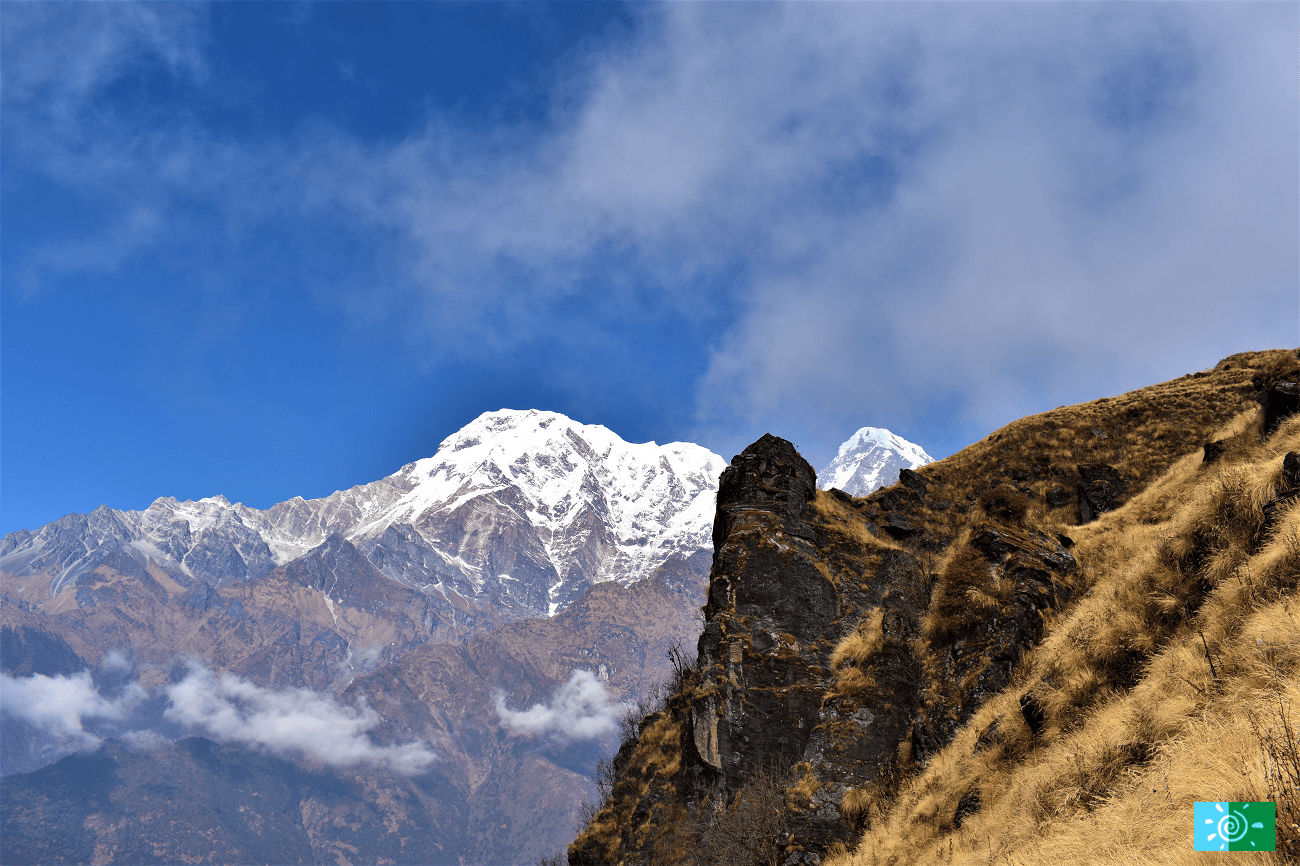
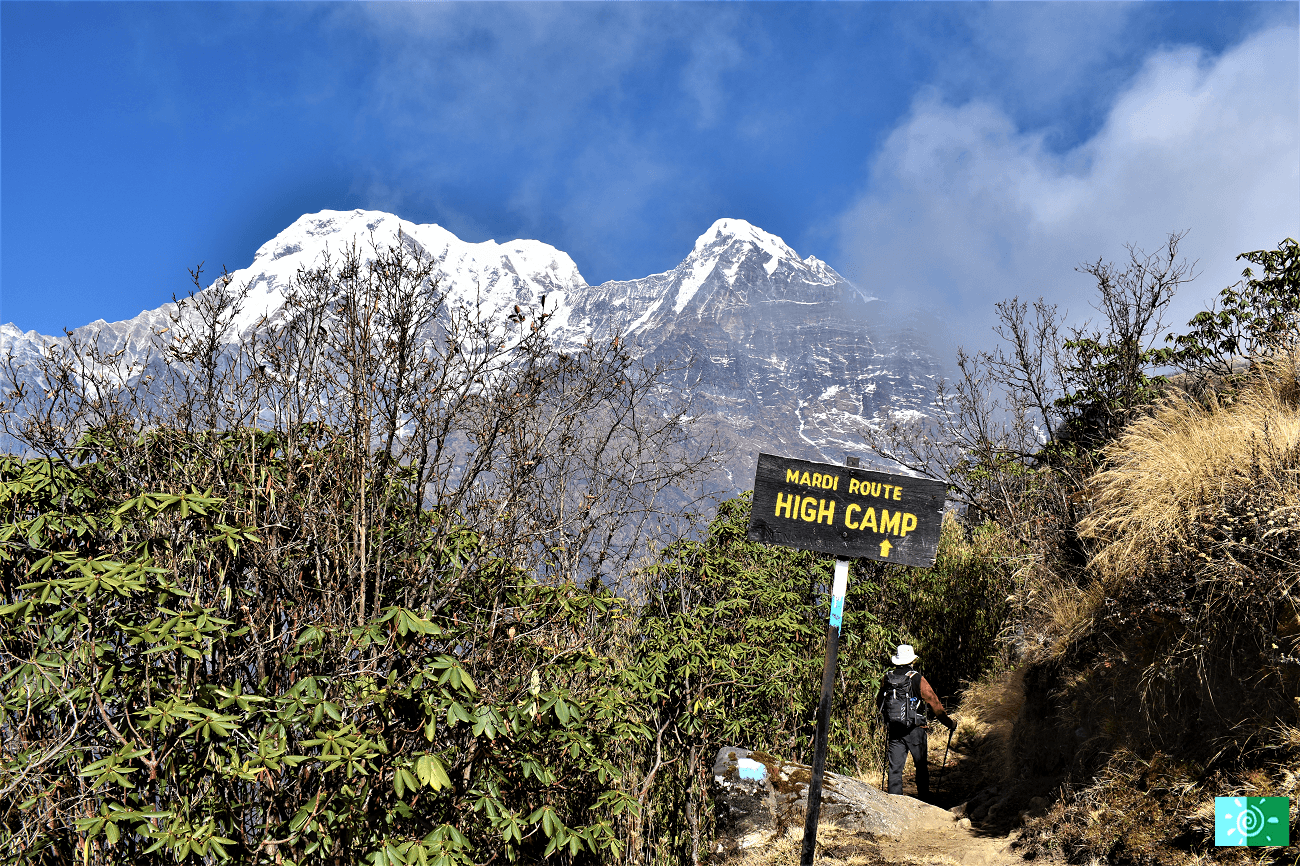
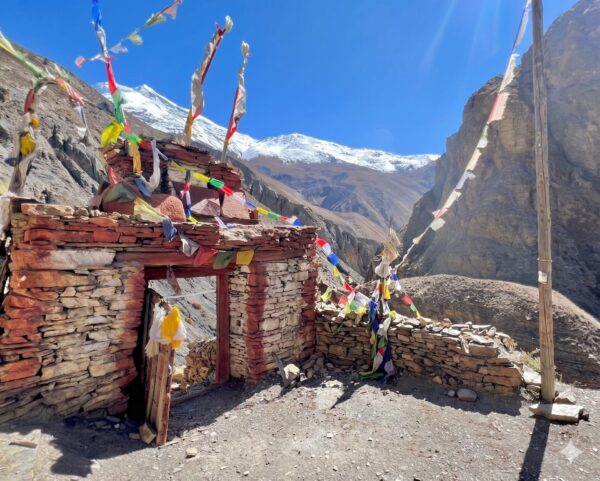
 Altitude:
5,240m/17,191ft.
Altitude:
5,240m/17,191ft.
 Difficulty:
Strenuous
Difficulty:
Strenuous