Trip Facts


Trip Overview
Pikey Peak Trek in Nepal – Hidden Gem of the Everest Region
The Pikey Peak Trek in Nepal is a spectacular off-the-beaten-path adventure in the lower Everest region , offering breathtaking Himalayan scenery, peaceful trails, and an authentic cultural experience away from the crowds of the classic Everest Base Camp route.
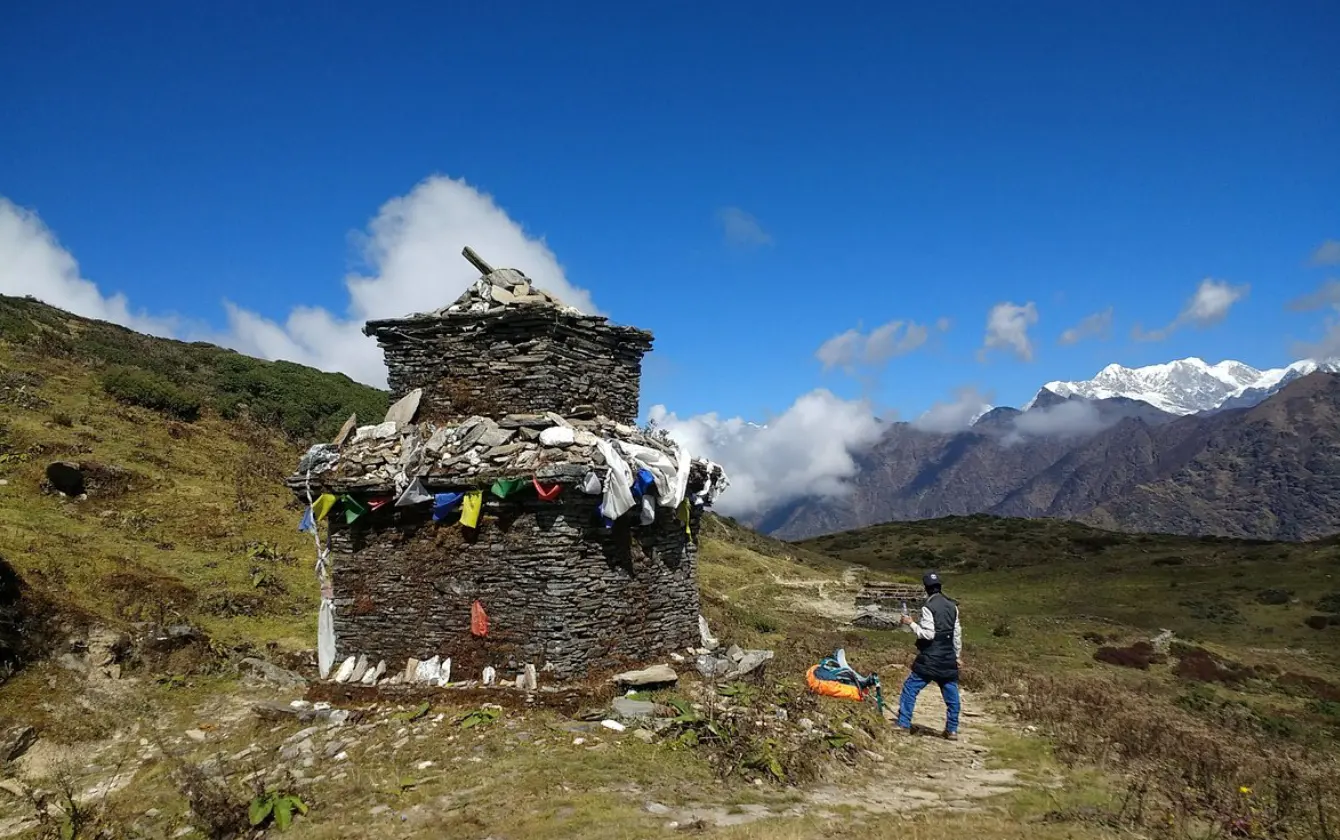
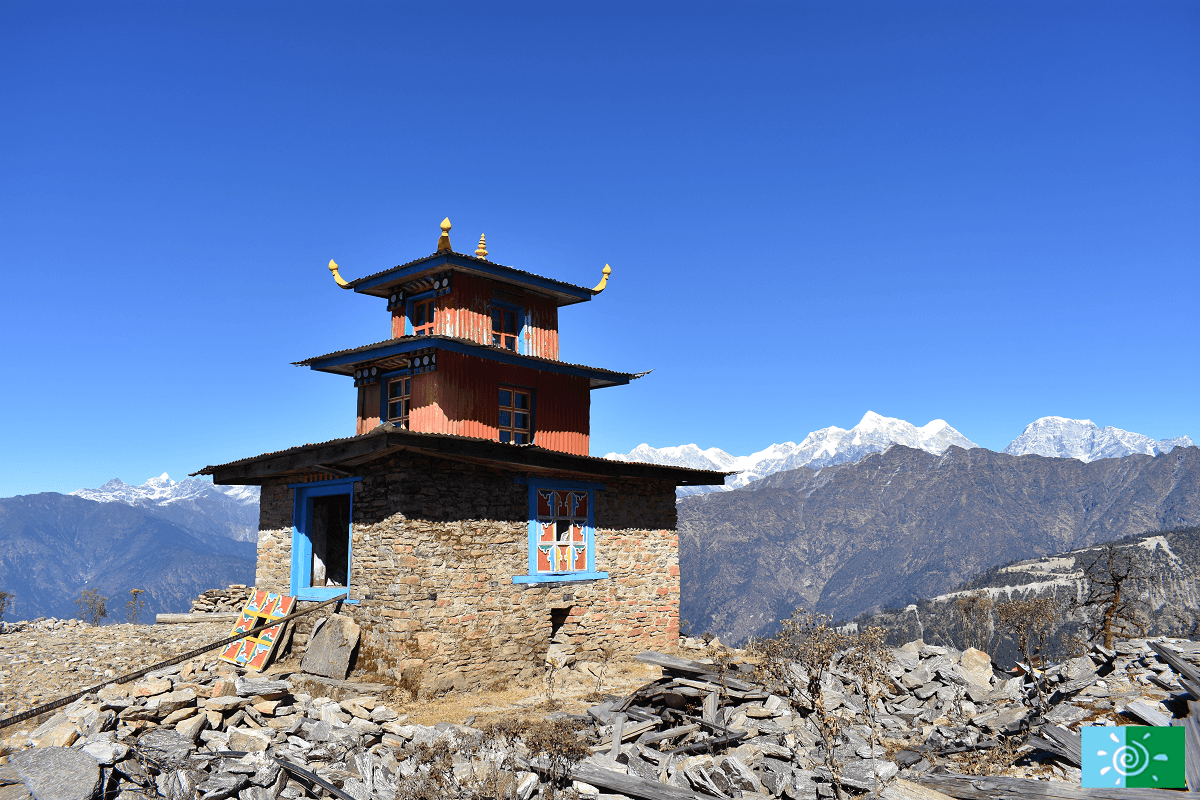
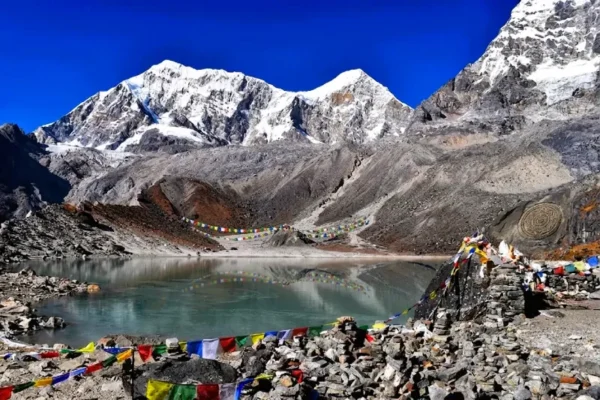
This scenic trekking route is ideal for travelers seeking a quieter Himalayan journey with incredible mountain views. The trail takes you through beautiful forests, traditional Sherpa and Rai villages, Buddhist monasteries, and untouched landscapes of the Lower Everest region while offering panoramic views of Mount Everest and surrounding Himalayan peaks.
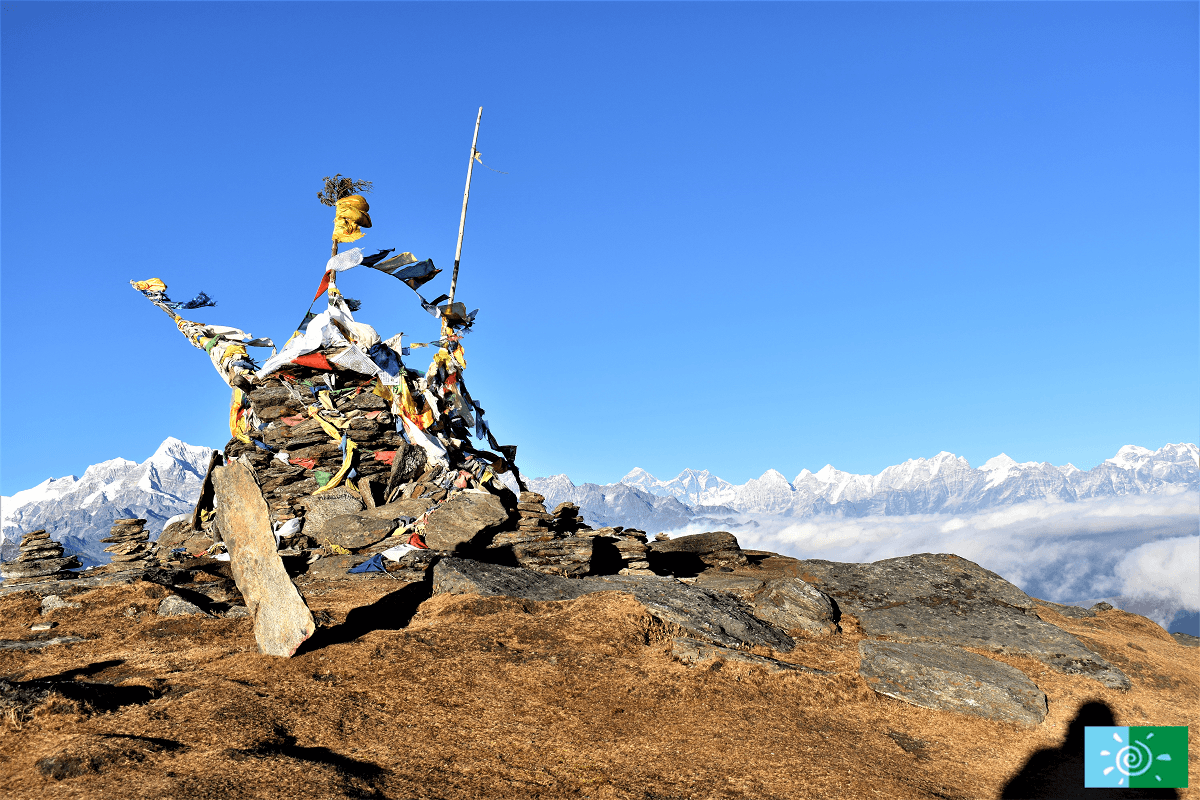
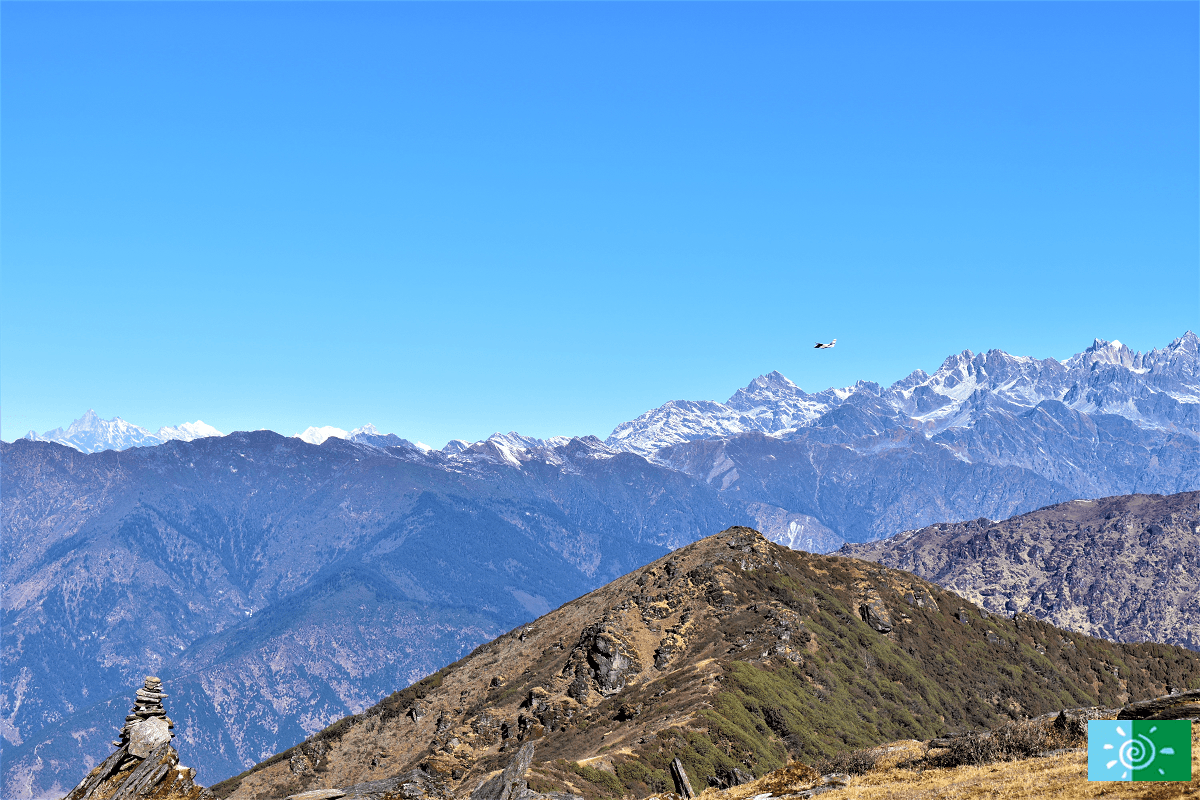
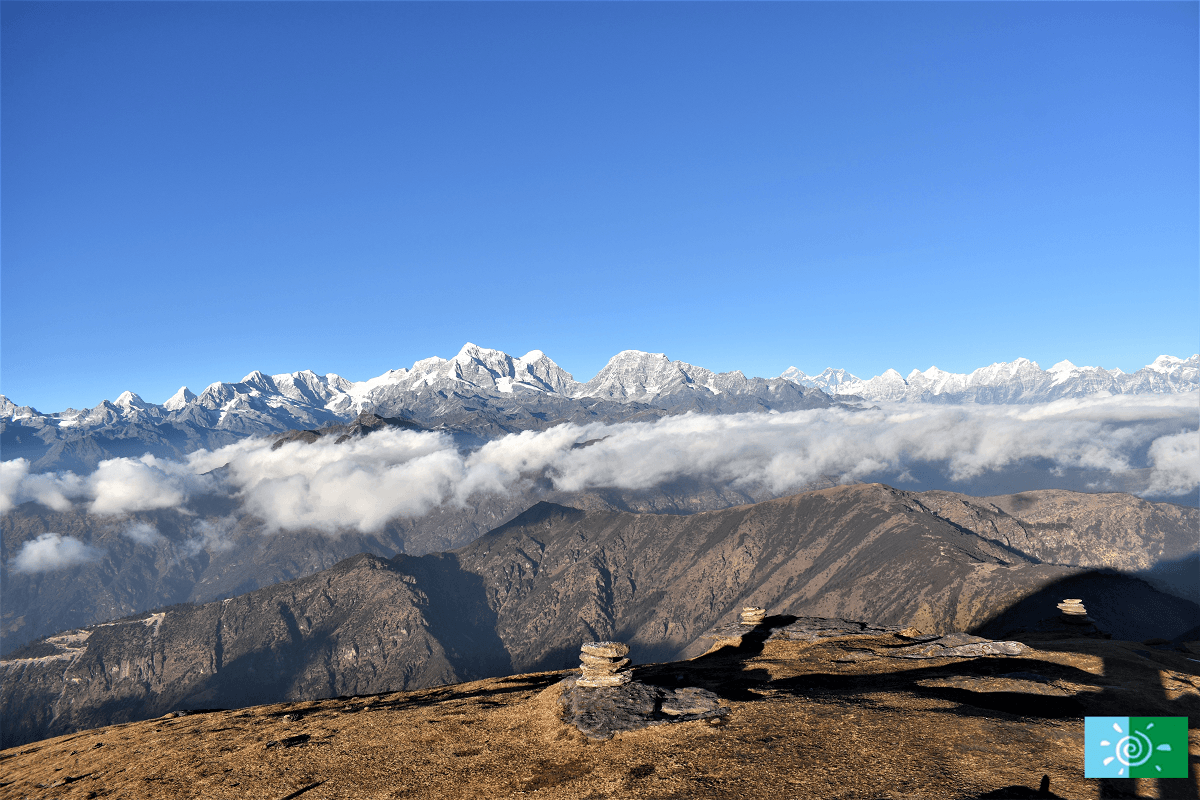
Standing at 4,065 meters, Pikey Peak is considered one of Nepal’s finest viewpoints. From the summit, trekkers can enjoy magnificent views of some of the world’s highest mountains, including Mount Everest, Kanchenjunga, Makalu, Lhotse, Manaslu, and Shishapangma in Tibet.
Sir Edmund Hillary also admired Pikey Peak for its exceptional Everest views, adding to its reputation as one of the most rewarding viewpoints in Nepal.
The trek is suitable for both beginners and experienced trekkers, combining adventure, nature, and culture in a manageable Himalayan itinerary. Along the trail, you experience traditional village life, ancient monasteries, local hospitality, and the unique traditions of the Sherpa and Rai communities.
For travelers looking for a short, scenic, and less crowded Everest region trek, Pikey Peak is an excellent alternative to Nepal’s more popular trekking routes.
Pikey Peak Trek Experiences: What Our Guests Loved About the Journey
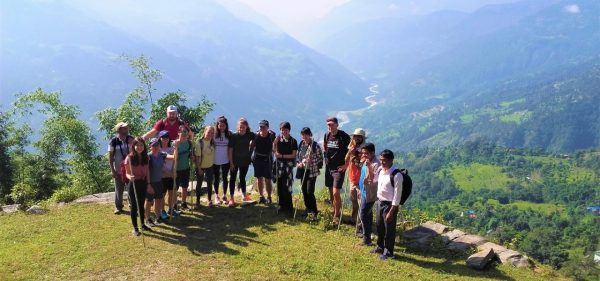
The Pikey Peak Trek offers more than spectacular mountain scenery. It creates meaningful experiences through cultural connections, peaceful trails, and unforgettable Himalayan moments. Our guests describe their journey as a wonderful adventure through rhododendron forests, charming villages, monasteries, and beautiful mountain landscapes with breathtaking Everest views.
As one of Nepal’s best short Everest view treks, Pikey Peak is loved for its quiet atmosphere, stunning sunrise from the summit, and opportunities to experience authentic local culture in the lower Everest region.
Travelers who joined Nepal Sanctuary Treks appreciated our personalized approach, knowledgeable local guides, and careful organization throughout the trek. Families, including multi generational groups, valued the flexibility, encouragement, and support provided by our team, allowing everyone to enjoy the journey comfortably and safely.
From airport transfers and transportation arrangements to tea house accommodation, meals, and trekking logistics, our guests appreciated the smooth planning that allowed them to focus on enjoying the Himalayan adventure. Our experienced guides provide support with altitude awareness, trail guidance, and safety throughout the journey.
At Nepal Sanctuary Treks, we believe every Pikey Peak adventure should be more than reaching a viewpoint. It should be a journey filled with cultural discovery, natural beauty, and lifelong memories.
As a Travelife Certified company, we are committed to responsible and sustainable tourism practices that support local communities, protect the environment, and create meaningful travel experiences.
Read our verified guest reviews on TripAdvisor and Google Reviews. to discover why travelers choose Nepal Sanctuary Treks for their Himalayan adventures.
Watch our video testimonial and experience the Pikey Peak Trek journey through the eyes of our guests.
Note: Below trekking hours, altitudes and distances are approximate, and absolutely for general ideas only.

 Altitude:
4,600 m/15,092ft.
Altitude:
4,600 m/15,092ft.
 Difficulty:
Moderate
Difficulty:
Moderate