Trip Facts

icon-calendar
Trip Duration 13 Days
icon-meter
Trip Difficulty Moderate
icon-mountain
Maximum Altitude 3,985 m / 13,074 ft.
icon-season
Best Season To Visit October- Mid Dec/ March- May
icon-group
Average Group Size Min 2 pax

Trip Overview

Everest Lodge Comfort Trek overview

The Everest Lodge Comfort Trek is an awe-inspiring journey through Nepal’s Khumbu region, perfect for trekkers seeking stunning scenery and premium lodge comfort. On the Everest Lodge Comfort Trek, you walk at your own pace, enjoy panoramic mountain views, and immerse yourself in Sherpa culture while following a carefully planned itinerary.

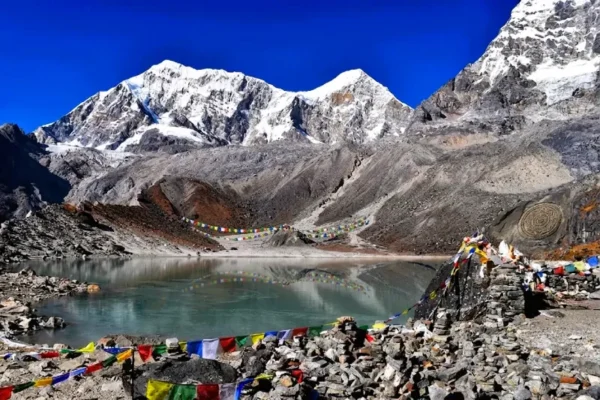
This trek leads to Ama Dablam Base Camp (4,600 m), where the iconic pyramid-shaped Ama Dablam rises majestically. Along the Everest Lodge Comfort Trek, witness breathtaking peaks including Mount Everest (8,848 m), Lhotse (8,516 m), Cho Oyu (8,201 m), Nuptse (7,816 m), and Thamserku (6,623 m). Glaciers, snowfields, and ridges make the Everest Lodge Comfort Trek an unforgettable Himalayan adventure.

Throughout the Everest Lodge Comfort Trek, you follow in the footsteps of legendary mountaineers, walking from lodge to lodge on well-established trails. Your nights are spent in hand-picked comfort lodges offering warm hospitality, en-suite facilities, and delicious regional cuisine. These accommodations provide a restful retreat after your day’s journey while giving you the chance to experience the authentic Himalayan lifestyle.

This trek is ideal for travelers with limited time who still want to experience the magic of the Everest region in comfort. If you’re looking to explore even higher altitudes while enjoying the perks of upgraded lodging, consider our Everest Base Camp Comfort Trek. Alternatively, if you’re comfortable with traditional teahouses, the Ama Dablam Base Camp and Everest Base Camp Trek is another great option.

Why Choose Nepal Sanctuary Treks for Your Everest Lodge Comfort Trek?

Nepal Sanctuary Treks crafts personalized Everest Lodge Comfort Trek experiences with 27+ years of expertise. Our professional guides ensure safety while sharing insights into local traditions, culture, and history.

Small groups, strict safety protocols, and trusted partners make every Everest Lodge Comfort Trek secure and enriching. As a Travelife Certified company, choosing our Everest Lodge Comfort Trek supports local communities, encourages responsible tourism, and protects the fragile Himalayan ecosystem.

Tailor Your Everest Lodge Comfort Trek

This is a sample itinerary and can be fully tailored to match your pace, preferences, and schedule. For more details or to customize your Everest Lodge Comfort Trek, reach out to us at [email protected]

Trip Itinerary

Day 01: Arrive at Kathmandu Airport

Altitude above sea level: 1,302 m / 4,269 ft.

Driving Time: Approx. 30 minutes, depending on traffic conditions.

Accommodation: Hotel Ambassador or similar

Upon your arrival at Tribhuvan International Airport in Kathmandu,, you will be warmly welcomed by our representative, who will be holding a “Nepal Sanctuary Treks” sign outside the terminal to greet you.

You will be transferred to your hotel in a private vehicle. After checking in and freshening up, our representative will meet you to give a detailed briefing on the upcoming itinerary, along with important safety guidelines and hygiene practices to ensure a smooth and enjoyable trek.

Day 02: Leisure day and trek preparation- Drive Ramechhap in the afternoon

Altitude above sea level: 1,218 m / 3,996 ft.– Ramechhap
Drive Duration: Approx. 4 hrs.
Accommodation: Guest House
Meal: Breakfast
After breakfast, take the morning to relax and enjoy at your own pace. In the afternoon, a private vehicle will take you to Ramechhap.

Day 03: Flight to Lukla –Hike to Phakding

Altitude above sea level: 2,610 m / 8,563 ft. — Phakding
Driving Duration: Approximately 1 hour
Flight Duration: Around 25 minutes
Flight Time: 6:15 AM
Hiking Duration: Approximately 4–5 hours (9 km / 5.6 mi)
Ascent: 280 m / 919 ft.
Descent: 510 m / 1,673 ft.
Accommodation: Mountain Lodges of Nepal
Meals Included: Breakfast, Lunch, and Dinner

Begin your day with an early breakfast before heading to Ramechhap Airport for a short yet thrilling flight to Lukla (2,840 m / 9,315 ft), renowned for its adventurous mountain runway. During the flight, enjoy stunning views of the majestic Himalayan peaks, including Cho Oyu (8,153 m / 26,781 ft), Lhotse (8,516 m / 27,940 ft), Gauri Shankar (7,145 m / 23,444 ft), and Menlungtse (7,181 m / 23,557 ft).

Upon arrival in Lukla, your Everest Base Camp journey officially begins as you start trekking toward Phakding. The route follows the beautiful Dudh Koshi River, often called the “Milk River” for its milky-blue glacial waters. Along the trail, you’ll pass traditional Sherpa villages, suspension bridges, and colorful prayer wheels, with Mani stones carved with Buddhist prayers lining the path.

After passing through the quaint villages of Chaurikharka and Ghat, you’ll reach Phakding, a peaceful riverside settlement that serves as your first overnight stop on the remarkable trek to Everest Base Camp.

Day 04: Trek to Namche Bazaar

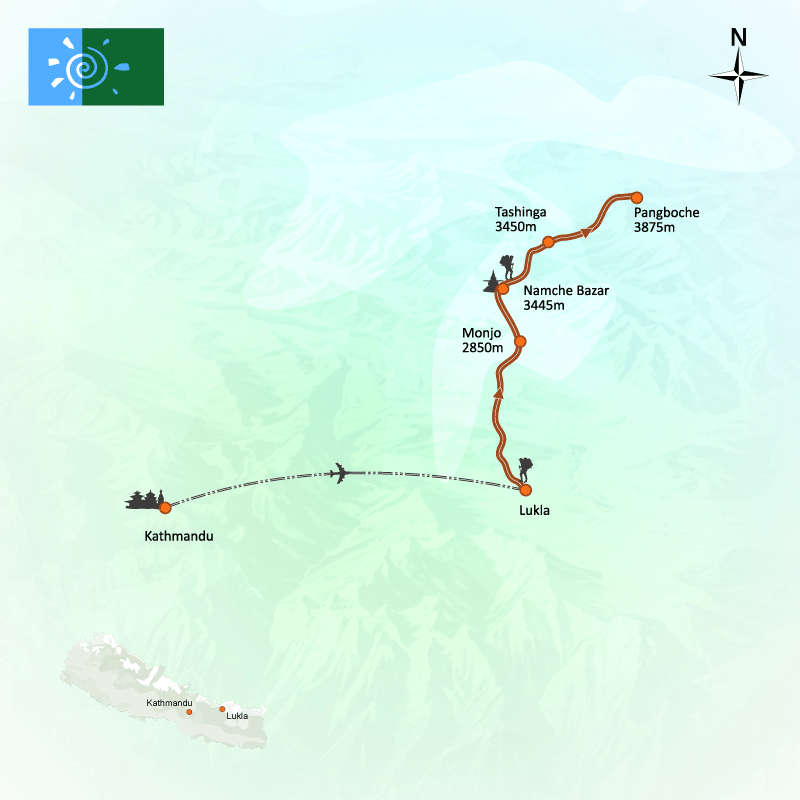
Altitude above sea level: 3,445 m / 11,302 ft. Namche Bazaar
Hiking Duration: 6–7 hrs. approx.  (11 km / 6.8 mi)
Ascent: 1,150 m / 3,773 ft.
Descent: 320 m / 1,050 ft. 
Accommodation: Mountain Lodges of Nepal
Meals : Breakfast, Lunch, and Dinner

After a nourishing breakfast, set out on your trek, crossing and re-crossing the Dudh Koshi River, whose milky-blue waters flow from glaciers high in the Himalayas. The trail passes through pine forests, open meadows, and terraced farmlands, offering glimpses of local crops and rural mountain life. Along the way, you’ll likely encounter donkeys and yaks carrying supplies and trekking gear along the narrow paths.

You’ll pass through the picturesque villages of Benkar, Monjo, and Jorsale before tackling a steep ascent of around 600 meters (2,000 ft) leading up to Namche Bazaar—the gateway to the high Himalayas.

Namche Bazaar is the largest and most vibrant town in the Khumbu region, beautifully situated on a natural amphitheater with sweeping views of the Dudh Koshi Valley. This bustling mountain hub offers everything from cafes and bakeries to trekking shops and lodges. Historically, Namche served as a vital trading point where Tibetan yak caravans met Hindu merchants from the lowlands, creating a rich blend of cultures that still thrives today.

Day 05: Trek to Tashinga

Altitude above sea level: 3,450 m / 11,319 ft.— Tashinga
Hiking duration: Approximately 4 hours (7 km / 4.3 mi)
Ascent: 570 m / 1,870 ft.
Descent: 565 m / 1,854 ft.
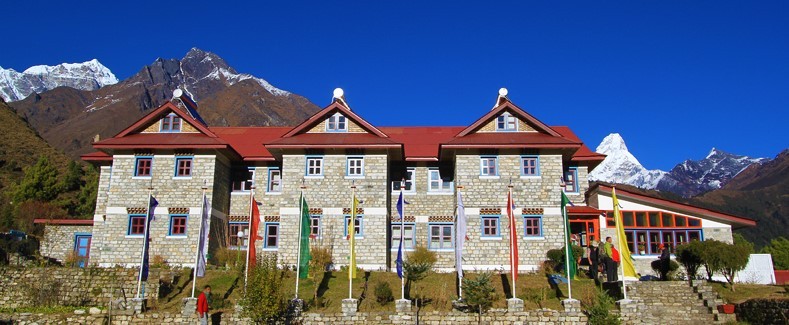
Accommodation: Everest Summit Lodge
Meals: Breakfast, Lunch & Dinner

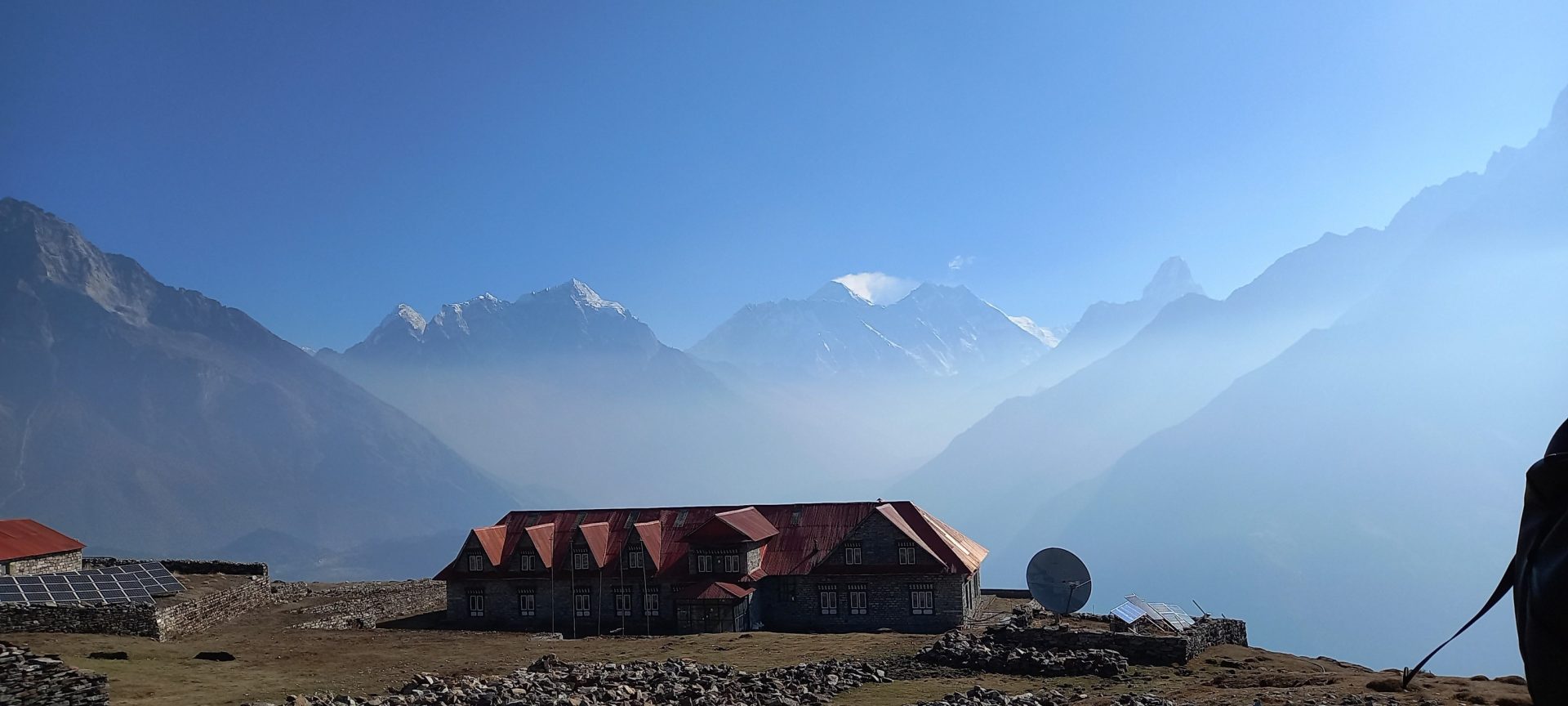
After a hearty breakfast, start your trek along a scenic trail that winds along the hillside above the Imja Khola (River). Enjoy breathtaking views of Mount Everest, Lhotse, Nuptse, and the magnificent Ama Dablam—widely regarded as one of the most beautiful peaks in the world.

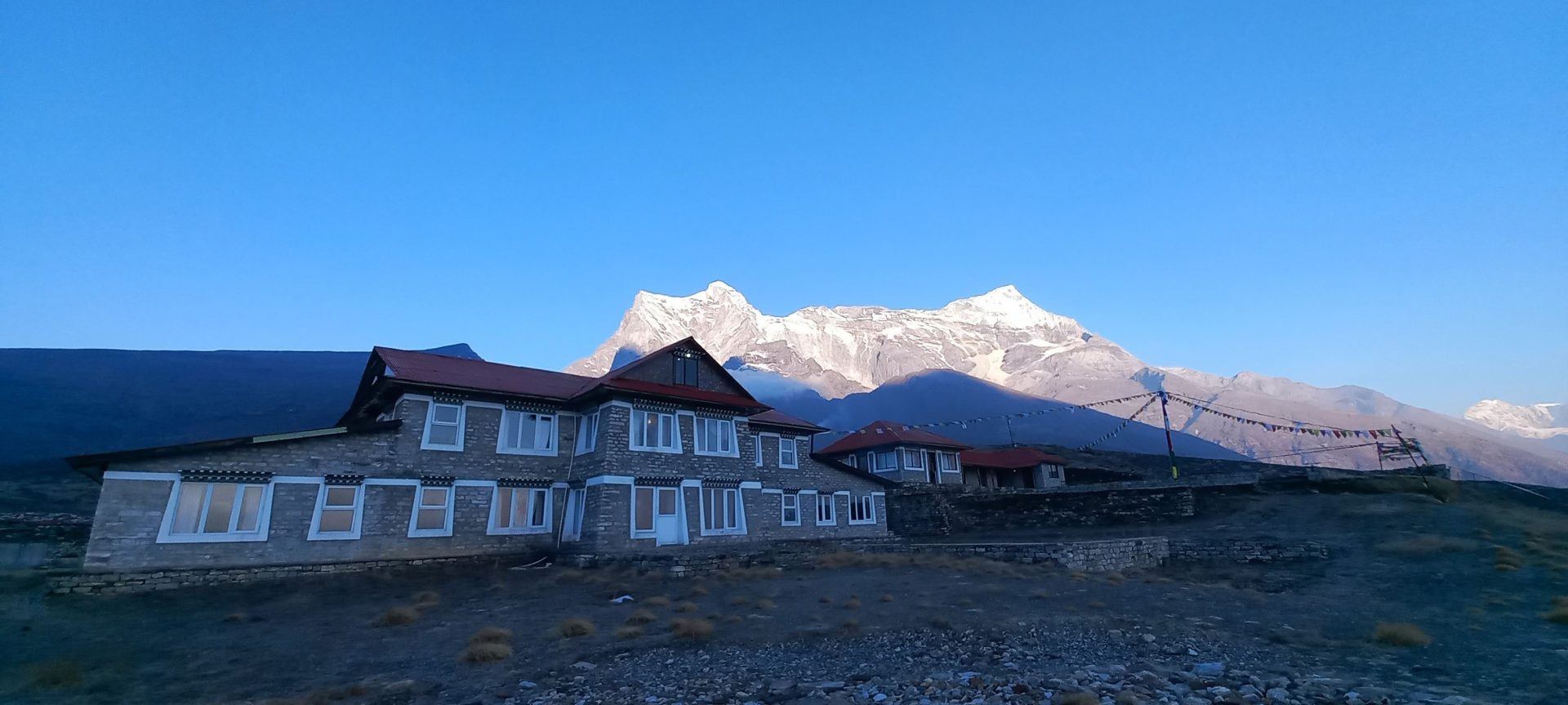
The trail is tranquil and offers stunning panoramas all along the way. Upon reaching Tashinga, settle into the Everest Summit Lodge, where you can unwind and take in the sweeping valley views.

Day 06: Trek to Pangboche

Altitude above sea level: 3,985 m / 13,074 ft. — Pangboche
Hiking Duration: Approx. 5–6 hrs. (8 km / 5 mi)
Ascent: 690 m / 2,264 ft.
Descent: 265 m / 869 ft.
Accommodation: Everest Summit Lodge
Meals: Breakfast, Lunch & Dinner

Today’s trek starts with a descent to the small village of Phunki Tenga, situated along the Dudh Koshi River. After crossing a suspension bridge, you’ll begin a steep climb through a dense forest of rhododendron and pine trees. Emerging from the forest, the trail becomes more gradual, leading all the way to Tengboche Monastery.

This famous monastery is the largest and most renowned in the Everest region. Each autumn, it hosts the Mani Rimdu festival, featuring colorful ceremonies, traditional music, sacred dances, and dramatic reenactments of Buddhist legends. Visitors are welcome to observe or participate in the celebrations.

From Tengboche, enjoy stunning views of towering peaks such as Tawache, Everest, Nuptse, Lhotse, Ama Dablam, and Thamserku. After exploring the monastery, continue your trek to the picturesque village of Pangboche, where you will spend the night.

Day 07: Day hike to Ama Dablam Base Camp

Altitude above sea level: 4,800 m / 15,748 ft. — Ama Dablam Base Camp
Hiking Duration: Approx. 5–6 hrs. (9.8 km / 6.1 mi)
Ascent: 645 m / 2,116 ft.
Descent: 645 m / 2,116 ft.
Accommodation: Everest Summit Lodge
Meals: Breakfast, Lunch, and Dinner

After breakfast, embark on a scenic trek toward Ama Dablam Base Camp. The trail begins with a crossing over the Imja Khola River, followed by a steady ascent toward the base of the iconic mountain. As you climb, Ama Dablam’s sharp ridges and towering presence become increasingly striking.

Upon arrival at the base camp, enjoy an awe-inspiring panorama of Himalayan giants, including Mount Everest (8,848 m / 29,029 ft), Lhotse (8,516 m / 27,940 ft), Cho Oyu (8,201 m / 26,906 ft), Thamserku (6,623 m / 21,729 ft), and Nuptse (7,816 m / 25,643 ft), along with the dramatic hanging glacier of Ama Dablam.

After soaking in the views and capturing the moment, descend back to Pangboche for an overnight stay.

Day 08: Trek to Tashinga via Phortse

Altitude above sea level: 3,450 m / 11,319 ft. — Tashinga
Hiking Duration: Approx. 6-7 hrs. (10.5 km / 6.5 mi)
Ascent: 50 m / 164 ft.
Descent: 830 m / 2,723 ft.
Accommodation: Everest Summit Lodge
Meals: Breakfast, Lunch & Dinner

Today, you’ll trek back to the Everest Summit Lodge in Tashinga, with an optional scenic detour through the traditional Sherpa village of Phortse. This alternate route offers a quieter trail and stunning views of the Imja Drengkha River, surrounding peaks, and the distant Tengboche Monastery.

After a few hours of hiking, you’ll arrive at Phortse village (3,810 m / 12,500 ft) and begin descending through a peaceful forest of birch and rhododendron toward the Dudh Koshi River. After crossing the river, the trail climbs steadily via switchbacks to Mong La Pass (3,963 m / 12,970 ft). Enjoy a tea break and take in the panoramic mountain vistas before descending to your lodge in Tashinga for the night.

Day 9: Trek to Monjo

Altitude above sea level: 2,850 m / 9,350 ft. — Monjo
Hiking Duration: Approx. 6–7 hrs. (11 km / 6.8 mi)
Ascent: 120 m / 394 ft.
Descent: 1,090 m / 3,576 ft.
Accommodation: Everest Summit Lodge
Meals: Breakfast, Lunch & Dinner

In the morning, begin your return trek by retracing the familiar trail back to Namche Bazaar. After stopping for lunch in Namche, continue your gradual descent through lush forests and across suspension bridges to the tranquil village of Monjo.

Day 10: Trek to Lukla

Altitude above sea level: 2,800 m / 9,186 ft. -Lukla
Hiking duration: Approx. 6 hrs. (12 km / 7.5 mi)
Ascent: 310 m / 1,017 ft.
Descent: 320 m / 1,050 ft.
Accommodation: Mountain Lodges of Nepal
Meals: Breakfast, Lunch & Dinner

Today marks the concluding day of your trek. You’ll retrace your route from Monjo, following the Dudh Koshi River while passing through picturesque Sherpa villages and lush green forests.

Upon reaching Chaurikharka, begin the final ascent of your journey—a brief uphill climb that leads you to Lukla. Here, you can celebrate the successful completion of your adventure. Relax and unwind at lodge as you look back on the remarkable experiences of your trek.

Day 11: Flight to Ramechhap-Drive back to Kathmandu

Altitude above sea level: 1,302 m / 4,272 ft. — Kathmandu
Flight time: Approximately 25 minutes
Driving duration: Approximately 4 hours
Accommodation: Hotel Ambassador or similar
Meals: Breakfast

After an early breakfast, you’ll take a flight from Lukla back to Ramechhap airport. Upon arrival, you will drive for about four hours back to Kathmandu, completing your journey.

Day 12: Cultural Introductory Tour

Altitude above sea level: 1,302 m / 4,272 ft. – Kathmandu
Accommodation: Hotel Ambassador or similar
Meal: Breakfast
It’s also a spare day in case of bad weather in Lukla if we could not fly on the scheduled date and time, or we can organize a guided day tour in or around Kathmandu.

9:00 AM: Guided Cultural Tour of Kathmandu Valley
Start your day with a guided cultural tour around Kathmandu Valley. Explore the vibrant Kathmandu with our expert guides, who will share insights into the area’s rich history.

Kathmandu Durbar Square
Visit Kathmandu Durbar Square (Hanuman Dhoka Durbar), a historical royal complex with temples, palaces, and shrines dating back to the 15th century. Key attractions include Kumari Ghar (the house of the living goddess) and Kasthamandap, built from a single tree.

Swayambhunath (Monkey Temple)
Next, head to Swayambhunath, the Monkey Temple, a sacred site for both Hinduism and Buddhism. Admire the stunning white dome and golden spire, while soaking in the serene atmosphere filled with incense and prayer wheels.

PM: Boudhanath Stupa
Visit the massive Boudhanath Stupa, a UNESCO World Heritage Site. It’s a spiritual center for Tibetan culture, surrounded by prayer flags, monks, and devotees chanting ‘Om Mani Padme Hum’.

Pashupatinath Temple
Conclude your tour at the Pashupatinath Temple, one of the most sacred Hindu temples, located along the Bagmati River. Here, you can witness profound spiritual rituals, including the moving sight of open-air cremations, which hold deep cultural significance. After immersing yourself in this sacred experience, you will transfer back to your hotel.

Day 13: Final Departure

Meal: Breakfast

It is time to fly back home, keeping all the incredible experiences of Nepal in mind. The representative from Nepal Sanctuary Treks will transfer you to TIA airport, where you should check in 3 hours prior to your scheduled flight.

Price Included

What's Included

  • Private airport transfer
  • Private transfer to/from Ramechhap
  • Internal flight: Ramechhap-Lukla –Ramechhap
  • 3 nights in Hotel Ambassador or similar in Kathmandu with breakfast
  • 1-night hotel in Ramechhap with breakfast
  • Comfort Lodge throughout the trek on full board
  • Guided Kathmandu sightseeing tour with entrance fees
  • Trek Permit & National Park Fees,
  • Staff insurance on the trek,
  • Trek guide, assistant guide & porter/s
  • Map

What's not Included

  • Lunch and Dinner in Kathmandu (Approx US$20 per day)
  • Beverages
  • Personal equipment,
  • Personal bills,
  • International airfare
  • Excess baggage beyond 15 kilos, including day pack
  • Visa fee: US$ 30 for 15 days and US$ 50 for 30 days and US$125 for 90 days multiple entries
  • Insurance (for cancellation, accident, health, emergency evacuation and loss, theft of or damage to baggage and personal effects),
  • Liability Insurance
  • Tips

Trip Important Notes

Packing list for Everest Comfort Lodge Trek

Footwear:

  • Walking boots. A pair of water-repellent boots with ankle support.
  • Walking socks.
  • Yaktrax
  • Gaiters
  • Trainers or trail shoes. Can be used in and around the lodge in the afternoons/evenings.

Clothing:

  • Waterproof jacket and trousers (Gore-Tex or similar).
  • Trekking trousers.
  • Soft shell trousers
  • Long sleeve shirts (not cotton).
  • Mid to heavyweight fleece.
  • Sleeveless or body warmer type fleece.
  • Thermals or base layer for top & bottom (merino wool or synthetic).
  • Fleece pants.
  • Medium weight down jacket (e.g.: Nuptse jacket by The North Face).

Hand wear:

  • Fleece gloves.
  • Warms mittens and/or gloves.

Headwear:

  • Wool or fleece hat.
  • Sun hat.
  • Bandana or scarf.
  • Head torch. Bring extra batteries.
  • Sunglasses.

Personal Equipment:

  • Day pack (you’ll need during the day, such as warm clothes, a jacket, a camera, water bottles, snacks, and a personal first aid kit. Keep your daypack under 5 kg. A porter will transport the rest of your personal gear in a duffel or kit bag, which should not exceed 15 kg per trekker. Clearly mark your bag to help identify it easily.)
  • Stuff sacks for keeping your gear dry and organized.
  • Water bottles (Nalgene wide-mouth bottles are the best).
  • Sunscreen and lip salve with a high SPF.
  • Water purification tablets (Aqua Tab, Katadyn Micropur, Chlorine dioxide).
  • Favourite snack food.
  • Trekking poles (optional).
  • Camera with spare batteries and memory cards.
  • Insurance certificate.
  • Flash Light
  • Earplugs (optional).
  • Hand sanitizer 
  • Face Mask
  • Sleeping bag (available in Kathmandu for rental at US$ 1.5 per day)
  • Fleece or silk liner for your sleeping bag. 
  • Spare cash for extra expenses like hot shower, boiled water, gadget charging during trek

Traveling:

  • Bring a small combination padlock to secure the bag.
  • Travel clothes. You will need casual clothing for air travel days and time spent in Kathmandu.
  • Toiletry bags include toilet paper, soap, towel, toothbrush, etc.
  • Quick dry towel

Personal first aid kit: Note: Nepal Sanctuary Treks provides a comprehensive group first aid kit, but please bring personal medications and other items you might use regularly.

Typical day on Everest  Comfort Lodge Trek

Each day includes three meals. Mornings begin by packing your overnight gear into your main bag before breakfast. Porters set off early while the group enjoys breakfast. 

Trekking usually starts around 8 a.m. at a leisurely pace, giving time to take in the scenery, snap photos, and visit local villages. Lunch is typically served at a teahouse along the trail between 11 a.m. and noon.

After lunch, trekking continues around 1 p.m. with most days ending at the lodge by mid-afternoon. Upon arrival, you will be offered a hot drink and biscuits. 

Dinner consists of two courses, usually a soup followed by a main dish such as dal bhat, momos, or Sherpa stew, with local specialties recommended. After dinner, the trek leader provide a briefing on the next day’s itinerary.

Electricity Facilities on the Everest Comfort Lodge Trek

Electricity is readily available throughout the Everest Comfort Lodge Trek and is included at all overnight stops. Popular lodges such as Yeti Mountain Home and Everest Summit Lodge offer in-room outlets for charging devices, as well as power for hot water, electric blankets, and heaters. Most lodges use a combination of solar and micro-hydro systems to ensure a consistent electricity supply, all included in your trek cost with no extra charges.

Nepal primarily uses Type C and Type D plugs, so carrying a universal adapter is highly recommended.

Tips for Using Electronics on the Trek

  • Conserve battery life: Lower your screen brightness, avoid prolonged screen use, and turn off GPS and Wi-Fi when not needed.

  • Protect gadgets from the cold: Batteries can drain faster or devices may get damaged in low temperatures. Keep unused electronics safely wrapped in your backpack or insulated sleeves.

  • Keep spares warm: Store phones and extra batteries inside your down jacket pocket to maintain warmth and extend battery life.

By following these tips, you can ensure your devices stay charged and functional throughout your Everest trek.

Communication Facilities on the Everest Comfort Lodge Trek

Communication on the Everest Luxury Lodge Trek is better than on many other Himalayan treks. Lodges such as Yeti Mountain Home and Everest Summit Lodge offer Wi-Fi included in the trek package, reliable enough for browsing, checking emails, and staying active on social media.

Mobile network coverage from Nepal Telecom and Ncell is strong in major hubs like Lukla, Phakding, and Namche Bazaar, but signal may become patchy at higher altitudes.

Tips for Staying Connected

  • Download offline maps and guides before heading to remote areas.

  • Inform friends and family about limited mobile coverage in higher camps.

  • Use Wi-Fi at lodges for larger uploads or updates, as mobile data can be slow.

Everest Comfort Lodge Trek Difficulty and Fitness

The Everest Comfort Lodge Trek is moderately challenging, reaching 4,600 m (15,092 ft) and is shorter and lower than the classic Everest Base Camp trek. A rest day in Namche Bazaar (3,440 m) helps with acclimatization to reduce Acute Mountain Sickness.

The trail features village paths, steep rocky sections, and occasional ice near base camp. Most itineraries last 8 to 12 days, with 5 to 7 hours of hiking per day over 10 to 12 km. No technical climbing is needed.

Fitness tips: Cardiovascular exercise, leg and core strength, hiking with a 5 to 10 kg backpack, and mental endurance will help trekkers handle long days, basic lodges, and variable weather.

Reviews

Robert S. Weiner , U.S.A 

Just a note to let you know everything turned out perfectly on our Nepal Trip.  All members of our group were absolutely delighted.  You and Prashant were very professional...

Robert S. Weiner , U.S.A

Faqs

Where in Tribhuvan airport I will be paying my visa fee?  I’ve already completed the application online but I’m unclear where I make my payment at the airport.  

Since you completed the process online, you will receive a submission receipt with a barcode. Please print this receipt and bring it with you when you visit the visa fees collection counter. Make sure about the type of visa you will need (15 days, 30 days, or 90 days) and make the payment accordingly. We recommend you bring the exact amount in US currency of the current visa fee while paying at the visa counter.

Next, you should head to the Immigration Desk, taking along your online application form, payment receipts, and your passport. Hand over these documents to the immigration officer to initiate the visa processing procedure.

Are there any health risks or altitude sickness concerns on the trek?

Altitude sickness can be a serious risk for trekkers at high elevations, so it’s important to acclimatize properly. Start slowly to give your body time to adjust, and stay hydrated, as dehydration can worsen symptoms. Watch for signs of altitude sickness, like headaches, nausea, and dizziness. Consulting a healthcare professional before your Nepal trek can provide helpful advice for a safer experience. The team at Nepal Sanctuary Treks carries a portable altitude chamber (PAC), an oximeter, and the Lake Louise form during the trek. They monitor each traveler’s condition and track their progress. Additionally, the expert team at Nepal Sanctuary Treks carefully designs itineraries that include acclimatization days, allowing trekkers to gradually adjust to the changing altitude. These carefully planned rest days are strategically placed throughout the trek to help minimize the risk of altitude sickness. . Read more on Altitude Sickness

How can travelers acquire SIM cards in Nepal for their mobile phones upon arrival at Kathmandu International Airport?

Both Ncell and NTC telecom companies provide free prepaid SIM cards to international travelers upon arrival at the airport. You can obtain them with a copy of your passport and a passport-sized photo.

Do I have a porter for the trek?

Porter for the trek services are included to make your journey easier and more comfortable. Keep your daypack under 5 kg with essentials like warm clothes, water, snacks, and a first-aid kit. Porters carry up to 15 kg in a labeled duffel bag.

Contact us for more information.

Do hotels and lodges provide safe drinking water?

Most trekking lodges offer filtered or bottled water, but using a reusable bottle helps reduce plastic waste. Always treat water on the trail with tablets like Aqua Tabs, Katadyn Micropur, or Chlorine Dioxide. Some teahouses provide boiled water, but tablets are safest. Mix with drink powders if the taste is strong.

Are there any specific dietary requirements for the meals provided during the trek?

Dietary requirements should be noted on the pre-trip form from Nepal Sanctuary Treks. Based on your information, we will tailor meals during the trek to accommodate any allergies or preferences.

Why should I trek with Nepal Sanctuary Treks (NST)?

For over two decades, Nepal Sanctuary Treks has been crafting sustainable and bespoke trekking adventures in Nepal. Our deep knowledge of the region allows us to meticulously tailor itineraries to guest’s specific desires, ensuring a transformative journey. Committed to sustainability, our efforts are recognized by the prestigious Travelife Certified Award. Nepal Sanctuary Treks actively empowers local communities by supporting female-owned businesses and promoting girls’ education. Learn more


Ask Our Travel Expert

Affiliations & Recommendations

Everest Lodge Comfort Trek