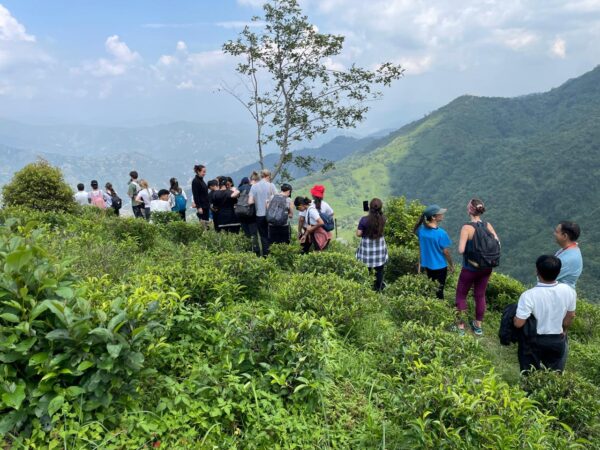
Nepal’s Carbon Offset and Tree Plantation Programs
Nepal Sanctuary Treks is a Travelife Certified trekking company committed to responsible travel, sustainable tourism, and long-term environmental protection in Nepal. As part of its sustainability mission, the company actively supports carbon offset initiatives, tree planting programs, and biodiversity conservation projects across the Kathmandu Valley and beyond.
Through its partnership with Lily’s Leaves Social Enterprise and Pipal Tree, Nepal Sanctuary Treks contributes to urban reforestation, and ecological restoration.
Carbon Offset Commitment
As a responsible trekking company, Nepal Sanctuary Treks recognizes that tourism generates carbon emissions through travel and transportation. To balance this impact, the company participates in carbon offset programs in Nepal.
It contributes twice yearly to support tree plantation, forest restoration, and climate-positive initiatives.
Visited to Swayambhu–Bishnumati Urban Corridor
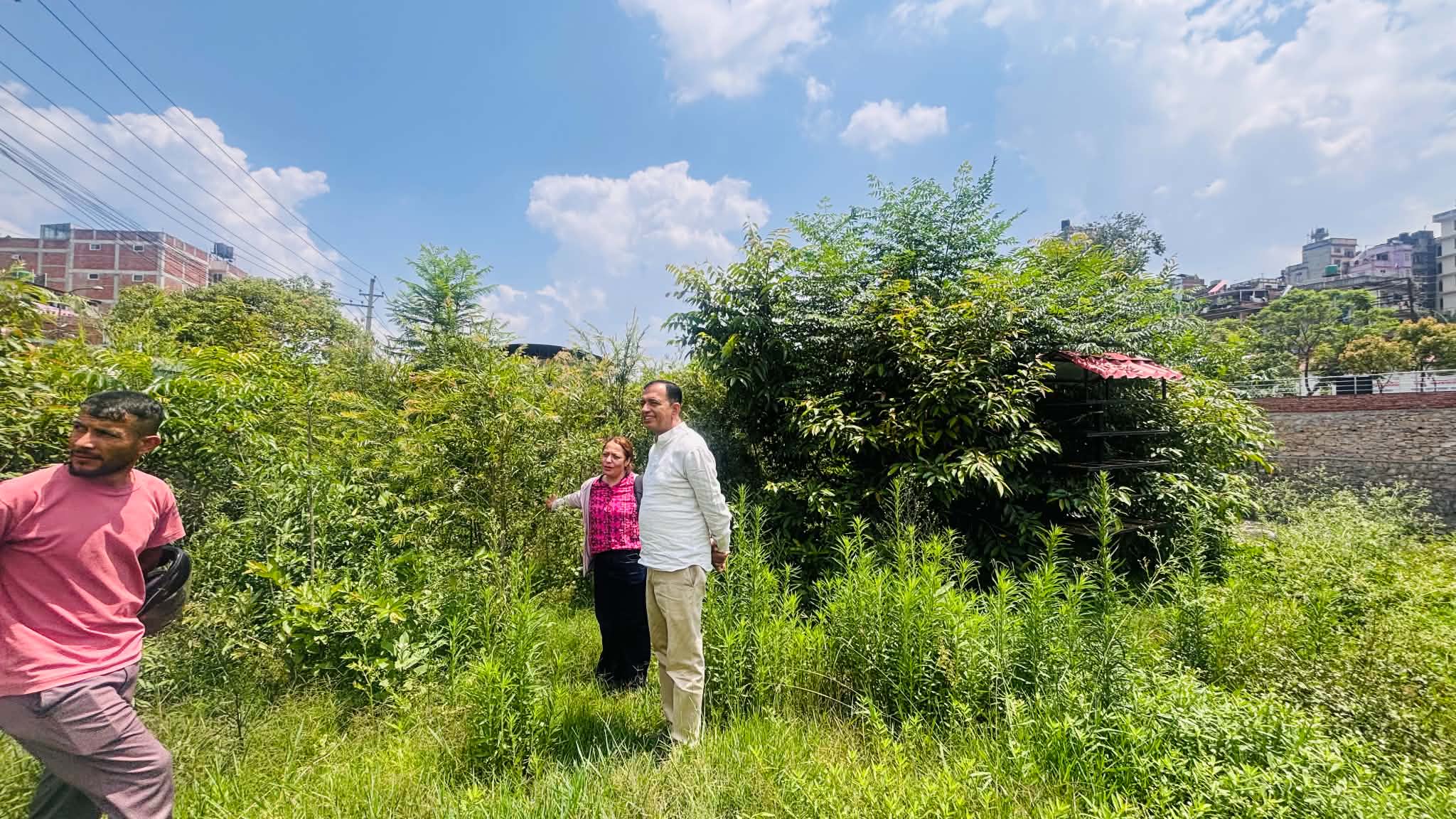
Recently, Managing Director Tulsi Gyawali visited the Swayambhu–Bishnumati Corridor urban forest restoration project in Kathmandu. He was accompanied by Lily Katuwal, Founder and CEO of Lily’s Leaves Social Enterprise, who shared insights into the ongoing restoration work.

At the Bishnumati River right bank near Tankeshwor Road, the project covers 1,100 square meters and includes around 2,000 planted trees from 52 native species.
The project uses the Miyawaki method, a fast-growing afforestation technique that creates dense native forests, to transform degraded riverbanks and urban land into thriving green ecosystems. . The planting work also involves employment opportunities for deaf women, supporting inclusive community participation.
This initiative transforms degraded urban riverbanks into dense forests that support carbon offset and biodiversity conservation in Nepal.
Visited Native Sapling Nursery and Seed Collection
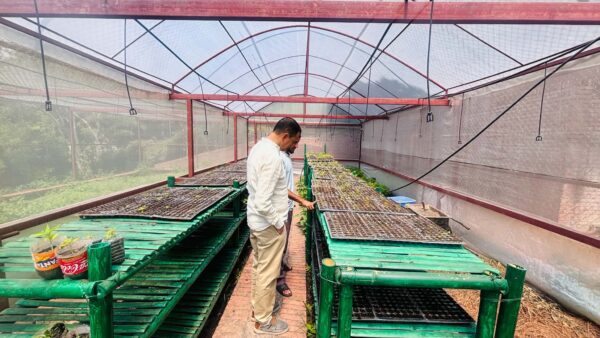
During the visit, he also explored Lily’s Leaves native sapling nursery. The nursery uses native seeds collected from Swayambhu Forest, helping preserve ecological authenticity and protect indigenous plant species.
This process helps to:
- Preserve native biodiversity
- Strengthen forest resilience
- Support ecosystem restoration
- Supply high-quality saplings for plantation projects
These saplings are later planted across urban restoration sites in Kathmandu Valley.
Miyawaki Method for Fast Urban Forest Growth
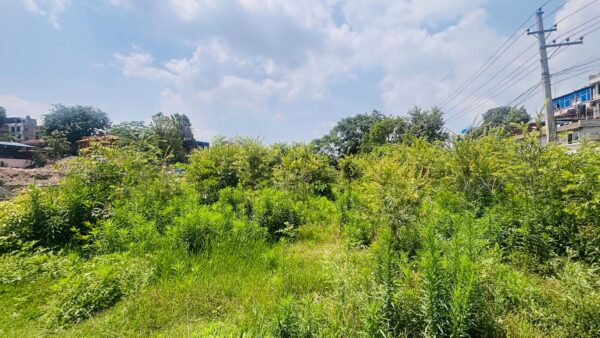
The Miyawaki method creates dense, native forests that grow quickly and naturally.
Key benefits include:
- High carbon sequestration for carbon offset
- Rapid forest growth in small urban spaces
- Increased biodiversity and wildlife habitat
- Improved urban air quality
- Soil regeneration and water retention
- Stronger climate resilience in cities like Kathmandu
Nepal Sanctuary Treks supports these nature-based solutions as part of its long-term climate action strategy
Lily’s Leaves Social Enterprise
Lily’s Leaves Social Enterprise, founded by Lily Katuwal, combines environmental conservation with social empowerment.
The organization focuses on:
- Urban forest restoration
- River corridor rehabilitation
- Native tree plantation
- Biodiversity conservation
- Women’s livelihood and skill development
- Environmental education and community engagement
Through these efforts, it demonstrates how environmental restoration and social development can work together effectively
Pipal Tree
Pipal Tree supports environmental restoration and community-based forestry in Nepal. In partnership with organizations like Lily’s Leaves, it contributes to:
- Urban reforestation projects
- Native sapling nursery development
- Biodiversity conservation programs
- Climate-focused tree planting initiatives
- Carbon offset and ecosystem restoration
Its work strengthens Nepal’s capacity to restore degraded ecosystems and promote sustainable land use.
Toward a Greener Future

Through collaboration with Lily’s Leaves and Pipal Tree, Nepal Sanctuary Treks actively supports carbon offset projects, greener cities, healthier ecosystems, and a more sustainable future.
Every tree planted represents a step toward climate balance, environmental restoration, and responsible tourism. Together, these efforts help build a future where travel protects nature, empowers communities, and restores the planet.